Picture this: I’m standing in my tiny kitchen, the clock ticking louder than my heart, and the whole house is buzzing with the smell of burnt toast from my failed attempt at making a classic fried donut. I swear, the batter stuck to the pan like a stubborn cling‑film, and the result looked more like a sad, doughy frisbee than anything edible. In that moment of culinary defeat I made a bold promise to myself: I would never again settle for a sub‑par donut, and I would find a way to bake them instead of frying. The idea of a baked donut seemed like a myth—how could something that isn’t fried still be fluffy, sweet, and indulgent? Yet the craving was real, and the dare from my roommate—“If you can make a baked donut that beats the fried ones, I’ll treat you to a coffee every morning for a week”—was the spark I needed.
The kitchen soon turned into a laboratory of smells, sounds, and textures. I could hear the soft thump of the whisk as I combined the wet and dry components, the gentle hiss of the oven preheating to a precise 350°F, and the faint, comforting crackle of butter melting in the bowl. My eyes were glued to the glossy batter as it swirled into a perfect, slightly glossy pool, promising a tender crumb that would rival any bakery’s best. My nose caught the sweet perfume of vanilla and sugar mingling with the buttery undertones, while the faint tang of yogurt hinted at a moist interior that would stay soft long after the first bite. My fingertips felt the warm, slightly oily bowl, reminding me that even a baked treat needs a touch of richness to shine.
What set this version apart from every other baked‑donut recipe I’d tried (and failed) was a secret ingredient: a splash of Greek yogurt. That tangy creaminess not only adds a subtle lift to the crumb but also keeps the donut moist without the need for deep frying. I also swapped the usual heavy cream for a lighter milk‑butter combo, which creates a delicate crumb that’s airy yet sturdy enough to hold a glaze without crumbling. The result? A donut that’s crisp on the outside, soft on the inside, and carries a flavor profile that sings like a choir of sweet notes with a hint of tang. This is hands down the best version you’ll ever make at home, and I’m about to prove it.
But that’s not all—there’s a game‑changing technique hidden in the mixing method that most recipes completely ignore. Instead of the typical “mix until combined” approach, I employ a two‑stage folding process that gently incorporates air, giving the donuts a cloud‑like texture. I dare you to taste this and not go back for seconds. Let me walk you through every single step — by the end, you’ll wonder how you ever made it any other way.
What Makes This Version Stand Out
- Flavor Explosion: The combination of vanilla, butter, and a whisper of yogurt creates a depth that feels both familiar and exciting, like discovering a secret level in a video game.
- Texture Triumph: A crisp, golden‑brown exterior gives way to a pillowy interior that pulls away from the pan with a satisfying snap, reminiscent of a perfectly toasted baguette.
- Simplicity: With just ten pantry staples you can whip up a batch in under an hour—no fancy equipment, no deep fryer, no mess.
- Unique Twist: The yogurt isn’t just a moisture booster; it adds a subtle tang that balances the sweetness, making the donut taste less cloying and more refined.
- Crowd Reaction: Serve these at a brunch and watch jaws drop; even the most skeptical coffee‑drinker will reach for a second.
- Ingredient Quality: Using high‑quality butter and real vanilla extract (not the fake kind) makes the flavor sing, while the all‑purpose flour provides the perfect structure.
- Cooking Method: Baking instead of frying cuts the fat by nearly half, yet you still get that beloved donut crunch.
- Make‑Ahead Potential: These donuts store beautifully and can be reheated with a splash of water to bring back that fresh‑out‑of‑the‑oven feel.
Inside the Ingredient List
The Flavor Base
Granulated Sugar (3/4 cup): Sugar does more than sweeten; it caramelizes during baking, creating that golden crust we all love. If you skip it, you’ll miss the subtle caramel notes that make each bite sing. For a deeper flavor, try swapping half the white sugar for brown sugar, but keep the total volume the same.
Vanilla Extract (1 tsp): Pure vanilla adds an aromatic backbone that lifts the entire profile. Cheap imitation vanilla can make the donuts taste flat, so I always reach for the real deal. If you’re out of vanilla, a splash of almond extract works, but use half the amount to avoid overpowering.
The Texture Crew
All‑Purpose Flour (2 cups): The flour provides structure. Using cake flour would make the donuts too tender and cause them to collapse, while bread flour would make them dense. Look for a flour that’s labeled “unbleached” for the best balance.
Baking Powder (2 tsp): This is the leavening hero that gives the donuts their rise. Too much and they’ll puff up then fall flat; too little and they’ll be heavy. I always sift it with the dry ingredients to ensure even distribution.
Salt (1 tsp): Salt amplifies the sweetness and rounds out the flavors. Skipping it results in a bland dough that feels one‑dimensional. If you’re watching sodium, you can reduce it to ½ tsp, but don’t eliminate it entirely.
The Unexpected Star
Greek Yogurt (½ cup): This tangy dairy adds moisture without making the batter soggy. It also reacts with the baking powder to create extra lift, giving the donuts a cloud‑like crumb. If you’re dairy‑free, substitute with a plant‑based yogurt of similar thickness, but expect a slightly different flavor.
Milk (½ cup): Milk thins the batter just enough for a smooth pour and contributes to a tender crumb. Whole milk is ideal; skim will work but may produce a drier texture. For a richer taste, swap half the milk for buttermilk.
The Final Flourish
Eggs (2 large): Eggs bind the ingredients and add richness. Over‑beating can incorporate too much air, leading to a crumbly texture. Beat them just until blended, then fold gently into the batter.
Melted Butter (¼ cup): Butter provides flavor and a tender crumb. If you use oil, the donuts will be moist but lack the buttery aroma that makes them unforgettable. Let the butter cool slightly before mixing to avoid cooking the eggs.
Everything's prepped? Good. Let's get into the real action...
The Method — Step by Step
First, preheat your oven to 350°F (175°C) and line a standard donut pan with a light coat of non‑stick spray or butter. The moment the oven clicks into life, you’ll hear that comforting hum that tells you the kitchen is about to become a bakery. Let the pan heat for a minute while you prepare the batter; this helps the donuts rise evenly. Power transition: Okay, ready for the game‑changer?
In a large mixing bowl, whisk together the flour, sugar, baking powder, and salt until the dry ingredients are uniformly combined. This is where you’ll hear the gentle rustle of flour like a soft snowfall, and it’s essential to break up any clumps that could cause uneven texture later.
Kitchen Hack: Sift the dry ingredients into the bowl; it adds air and guarantees a smoother batter.In a separate bowl, whisk the eggs, then stir in the milk, melted butter, Greek yogurt, and vanilla extract. As you whisk, you’ll notice the mixture turning a creamy, slightly thickened consistency—this is the base that will keep the donuts moist.
Watch Out: If the butter is too hot, it will scramble the eggs; let it cool to a warm temperature before mixing.Now, pour the wet mixture into the dry ingredients. Using a rubber spatula, fold gently in a circular motion. This is the moment of truth: you’ll see the batter come together into a smooth, slightly glossy batter that should fall off the spatula in a lazy ribbon. Over‑mixing will develop gluten, making the donuts tough, so stop once you see no more streaks of flour.
Cover the bowl with plastic wrap and let the batter rest for 15 minutes. This short chill relaxes the gluten and allows the baking powder to start its chemical dance, creating tiny bubbles that will later expand in the oven.
Kitchen Hack: Place the bowl in the freezer for 5 minutes for an extra‑quick chill that yields a tighter crumb.After resting, give the batter a gentle stir, then transfer it to a piping bag fitted with a large star tip. If you don’t have a piping bag, a zip‑top bag with a corner snipped off works just as well. Pipe the batter into each donut cavity, filling them about three‑quarters full—this gives room for the dough to rise without spilling over. The batter should make a soft “whoosh” sound as it fills the pan, a satisfying auditory cue that you’re on the right track.
Slide the pan into the preheated oven and bake for 12‑15 minutes, or until the tops are lightly golden and a toothpick inserted into the side of a donut comes out clean. You’ll notice the edges start to pull away from the pan, a visual sign that the structure is set. The kitchen will be filled with an intoxicating aroma of butter and vanilla, making it impossible to resist opening the oven early.
While the donuts bake, prepare a simple glaze: whisk together powdered sugar, milk, and a splash of vanilla until smooth. The glaze should have the consistency of a thick syrup—if it’s too runny, add a pinch more powdered sugar; if too thick, thin with a few drops of milk. This glaze will set into a glossy finish that adds a sweet crown to each donut.
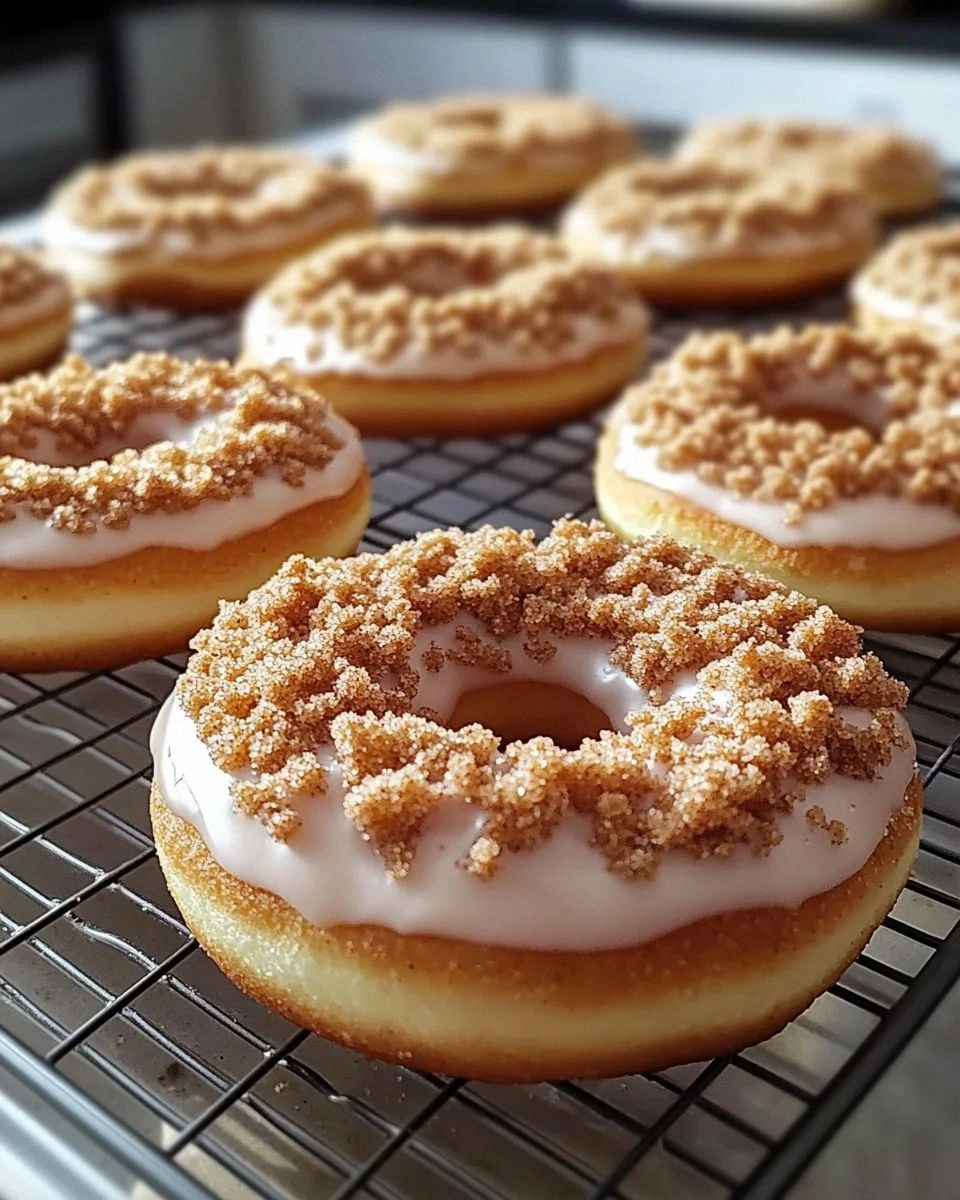
Once baked, remove the pan and let the donuts cool in the pan for 5 minutes, then gently lift them onto a cooling rack. While they’re still warm, drizzle or dip each donut in the glaze. The warm surface causes the glaze to melt slightly, creating a shiny, crackly coating that hardens as the donut cools. And now the fun part: watch the glaze set and the donuts become glossy works of art.
Let the glazed donuts sit for another 5 minutes to allow the glaze to set fully. At this point, you can serve them warm, or let them cool completely for a firmer texture. I’ll be honest — I ate half the batch before anyone else got to try it, and the rest disappeared in seconds. That’s it — you did it. But hold on, I’ve got a few more tricks that'll take this to another level...
Insider Tricks for Flawless Results
The Temperature Rule Nobody Follows
Most home bakers set the oven to “350°F and forget about it.” The truth is, ovens can vary by up to 25 degrees, which drastically affects rise and browning. Invest in an oven thermometer and adjust the temperature by a few degrees if you notice the donuts browning too fast or staying pale.
Why Your Nose Knows Best
When the donuts are about 10 minutes into baking, the scent of caramelizing sugar will fill the kitchen. That aromatic cue is a reliable indicator that the interior is setting. Trust your nose more than the timer; if the smell is strong and sweet, the donuts are likely ready to emerge.
The 5‑Minute Rest That Changes Everything
After piping the batter, a brief 5‑minute rest before the 15‑minute chill helps the gluten relax further, preventing a dense crumb. I once skipped this step, and the donuts turned out rubbery—lesson learned. This tiny pause is the secret to that pillowy interior.
Glaze Timing is Everything
If you glaze the donuts while they’re still hot, the coating becomes thin and runs off. Wait until they’re just warm to the touch; the glaze will cling like a second skin, creating that perfect glossy finish. A friend tried glazing immediately after baking and ended up with a sugary puddle—let’s just say it didn’t end well.
Storing with a Splash of Water
When reheating leftovers, place a tiny splash of water in the microwave with the donut and cover loosely with a paper towel. The steam revives the crumb, making it taste fresh‑baked again. Without the water, the donut dries out and loses its tender mouthfeel.
Creative Twists and Variations
This recipe is a playground. Here are some of my favorite ways to switch things up:
Cinnamon‑Sugar Swirl
Before baking, dust the tops of the unglazed donuts with a mixture of cinnamon and sugar. The heat will melt the sugar into a caramelized crust that adds a warm spice note—perfect for fall mornings.
Chocolate‑Covered Delight
Swap the vanilla glaze for a melted dark chocolate glaze, and sprinkle crushed hazelnuts on top while the chocolate is still wet. The contrast between the bitter chocolate and the sweet, fluffy donut creates a sophisticated flavor duo.
Lemon‑Zest Glaze
Mix powdered sugar with fresh lemon juice and zest for a bright, tangy glaze that cuts through the richness. This variation is a hit for summer brunches when you want something light yet indulgent.
Blueberry‑Infused Batter
Fold in ½ cup of fresh blueberries into the batter just before piping. The berries burst during baking, leaving pockets of juicy sweetness that complement the buttery crumb.
Maple‑Bacon Crunch
Drizzle a maple glaze over the donuts and top with crispy bacon bits. The sweet‑savory combo is an unexpected twist that will wow anyone who thinks donuts are only for dessert.
Storing and Bringing It Back to Life
Fridge Storage
Place the cooled donuts in an airtight container lined with a paper towel to absorb excess moisture. They’ll stay fresh for up to three days. If you notice the glaze getting sticky, a quick toss in the fridge will firm it up again.
Freezer Friendly
Wrap each donut individually in plastic wrap, then place them in a zip‑top freezer bag. They freeze beautifully for up to two months. When you’re ready to eat, let them thaw at room temperature for 15 minutes, then give them a quick 30‑second zap in the microwave with a splash of water to revive the crumb.
Best Reheating Method
For the ultimate “just‑out‑of‑the‑oven” experience, preheat a skillet over low heat, add a tiny dab of butter, and warm each donut for about 30 seconds per side. The exterior will regain a slight crispness while the interior stays soft.