Cozy Red Wine Braised Beef Roast – Slow Cooked, Deep Flavor for Holiday Gatherings
When the first snowflakes begin to drift and the scent of cinnamon and pine fills the air, families start planning the meals that will anchor their holiday celebrations. Among the countless dishes that vie for attention, a slow‑cooked, red‑wine braised beef roast stands out as a timeless classic that marries comfort with elegance. This recipe is more than just a main course; it is a culinary experience that transforms a simple cut of beef into a melt‑in‑your‑mouth masterpiece, thanks to a harmonious blend of aromatic vegetables, robust herbs, and the deep, velvety notes of a good Cabernet Sauvignon.
What makes this roast truly special is its hands‑off nature. After a brief sear to develop a caramelized crust, the beef spends several hours luxuriating in a fragrant broth, absorbing the flavors of garlic, thyme, rosemary, and that glorious splash of red wine. The low, steady heat of a Dutch oven or a slow‑cooker breaks down the connective tissue, resulting in a tender, juicy roast that falls apart with the slightest fork‑tine. The sauce that forms during the braise becomes a glossy, ruby‑red gravy perfect for drizzling over mashed potatoes, roasted root vegetables, or a simple crusty baguette.
Whether you are hosting a formal dinner party, a casual family reunion, or a cozy evening for two, this braised beef roast fits every occasion. Its rich, layered flavor profile pairs beautifully with classic holiday sides such as buttery green beans almondine, honey‑glazed carrots, and creamy parsnip purée. Even the most discerning guests will be impressed by the depth of taste that comes from the slow cooking process—no need for expensive cuts or fancy kitchen gadgets. All you need is patience, a good bottle of red wine, and a love for hearty, comforting food.
In the sections that follow, you will find a detailed ingredient breakdown, step‑by‑step instructions, pro tips that will elevate your roast to restaurant quality, and helpful variations for those who prefer a different protein or need to accommodate dietary restrictions. We have also included storage guidelines and a concise FAQ to answer the most common questions about braising times, wine selection, and reheating. So roll up your sleeves, pour a glass of wine, and let’s embark on a flavorful journey that will become a cherished tradition in your holiday repertoire.
Why You’ll Love This Recipe
- Deep, wine‑infused flavor that develops over hours, not minutes.
- Hands‑off cooking: once it’s in the pot, the oven does the work.
- Versatile: perfect with traditional sides or creative pairings.
- Elegant presentation – a glossy, ruby‑red glaze that looks as good as it tastes.
- Budget‑friendly: uses a chuck roast, which is affordable yet becomes buttery tender.
- Make‑ahead friendly: can be prepared a day ahead and reheated without losing moisture.
- Impresses guests with minimal effort – a true crowd‑pleaser.
Ingredients
- 2 kg (≈4½ lb) beef chuck roast – well‑marbled for flavor.
- 2 tbsp olive oil – for searing.
- 1 large onion, diced
- 3 carrots, cut into 1‑inch pieces
- 2 celery stalks, sliced
- 4 garlic cloves, minced
- 2 tbsp tomato paste
- 750 ml (3 cups) full‑bodied red wine – Cabernet Sauvignon or Merlot.
- 500 ml (2 cups) beef broth – low‑sodium.
- 2 bay leaves
- 1 tbsp fresh thyme leaves (or 1 tsp dried).
- 1 tbsp fresh rosemary, chopped (or 1 tsp dried).
- Salt & freshly ground black pepper – to taste.
- Optional: 200 g (½ lb) mushrooms, quartered – for added earthiness.
Step‑by‑Step Instructions
- Prepare the roast: Pat the beef chuck roast dry with paper towels. Generously season all sides with salt and pepper.
- Sear for flavor: Heat olive oil in a large Dutch oven over medium‑high heat. Once shimmering, add the roast and sear each side for 3‑4 minutes until a deep brown crust forms. Transfer the roast to a plate and set aside.
- Sauté aromatics: In the same pot, add the diced onion, carrots, and celery. Cook, stirring occasionally, for 5‑6 minutes until softened and lightly caramelized. Add the minced garlic and cook an additional 30 seconds.
- Build the base: Stir in the tomato paste and cook for 2 minutes, allowing it to darken slightly. This deepens the overall flavor of the sauce.
- Deglaze with wine: Pour the red wine into the pot, scraping the browned bits from the bottom with a wooden spoon. Bring to a gentle boil and let the wine reduce by about one‑third, roughly 8‑10 minutes.
- Add broth and herbs: Return the seared roast to the pot. Add beef broth, bay leaves, thyme, rosemary, and, if using, the mushrooms. The liquid should come about halfway up the side of the meat.
- Cover and braise: Reduce heat to low, place a tight‑fitting lid on the Dutch oven, and let the roast simmer gently for 3 hours, or until the meat is fork‑tender. Check once halfway through and rotate the roast if needed.
- Finish the sauce: Remove the roast onto a cutting board and tent with foil. Discard the bay leaves. If the sauce is too thin, uncover the pot and simmer for 10‑15 minutes to thicken, or whisk in a slurry of 1 tbsp cornstarch mixed with 2 tbsp cold water.
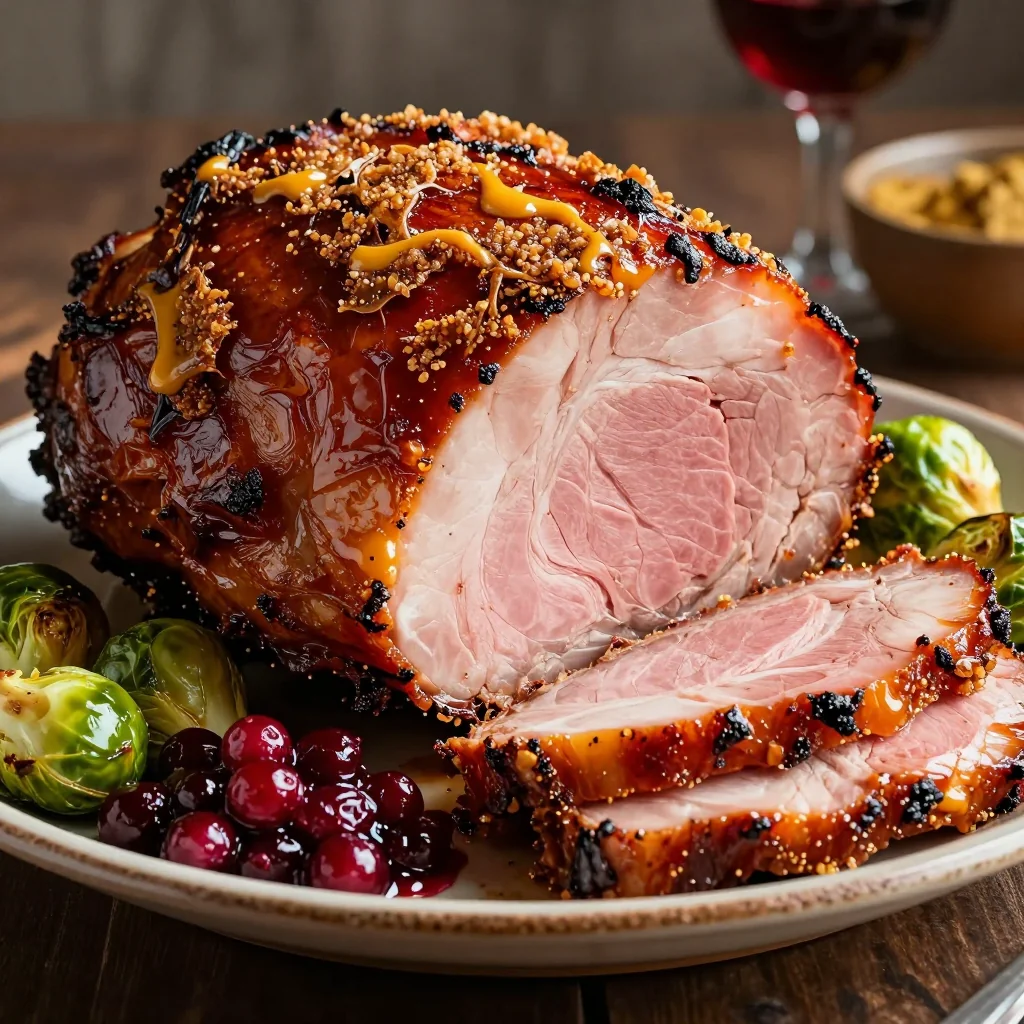
- Slice and serve: Slice the roast against the grain into ½‑inch thick slices. Arrange on a serving platter, spoon the glossy sauce over the top, and garnish with a sprig of fresh thyme.
- Optional garnish: For extra elegance, shave a small amount of fresh truffle or drizzle a teaspoon of high‑quality balsamic reduction.
Pro Tips & Tricks
- Choose the right cut: Chuck roast, short ribs, or even brisket work beautifully because their connective tissue breaks down into gelatin, enriching the sauce.
- Wine matters: Use a wine you enjoy drinking. A full‑bodied Cabernet adds depth; a Pinot Noir yields a lighter, fruitier profile.
- Make‑ahead advantage: Braise the day before and refrigerate. The flavors meld overnight, and reheating gently on the stovetop restores the melt‑in‑your‑mouth texture.
- Thickening the gravy: For a velvety finish, finish the sauce with a knob of cold butter whisked in off the heat.
- Season at the end: Taste the sauce after reduction and adjust salt/pepper. The reduction concentrates flavors, so final seasoning is crucial.
Variations & Substitutions
Protein Swaps
- Lamb shank: Replace beef with lamb for a gamey twist; keep the same braising liquid.
- Pork shoulder: Use pork for a slightly sweeter profile; add a splash of apple cider.
- Plant‑based: Substitute with a large portobello mushroom cap or a soy‑based “beef” roast; extend braising time by 30 minutes.
Flavor Tweaks
- Spicy kick: Add 1 tsp smoked paprika and a pinch of cayenne.
- Herbaceous depth: Include a few sprigs of fresh sage or a tablespoon of dried herbes de Provence.
- Sweet note: Stir in 1‑2 tbsp of honey or maple syrup during the final reduction.
Storage & Reheating
Refrigeration: Allow the roast and sauce to cool to room temperature (no more than 2 hours). Transfer the meat and liquid to airtight containers. It will keep safely for up to 4 days. When reheating, place the roast in a saucepan with a splash of beef broth, cover, and warm over low heat until just hot—this prevents the meat from drying out.
Freezing: For longer storage, wrap the cooled roast tightly in plastic wrap followed by aluminum foil, or place it in a freezer‑grade bag. Freeze the sauce separately in a freezer‑safe container. Both components retain quality for up to 3 months. Thaw overnight in the refrigerator, then reheat using the same low‑heat method.
Frequently Asked Questions
Red Wine Braised Beef Roast
Ingredients
Directions
- Season the roast and sear in olive oil until browned on all sides.
- Remove roast; sauté onion, carrot, and celery until softened.
- Add garlic and tomato paste; cook 2 minutes.
- Deglaze with red wine, reduce by one‑third.
- Return roast, add broth, herbs, and bay leaves; cover.
- Braise in a 150 °C oven for 3 hours, or until fork‑tender.
- Remove meat, thicken sauce if desired, and slice against the grain.
- Serve with sauce spooned over the top; garnish with thyme.
Nutrition (per serving)
| Calories | 420 kcal |
|---|---|
| Protein | 32 g |
| Fat | 24 g |
| Carbohydrates | 12 g |
| Sodium | 380 mg |
| Fiber | 2 g |