Picture this: I’m standing in my kitchen, the air thick with the scent of frying onions, when my phone buzzes with a text from a friend who’s dared me to find the ultimate maple chicken recipe. I’m already craving something that’s sweet, spicy, and utterly comforting, so I start rummaging through the pantry. The only thing I find is a jar of maple syrup, a can of coconut milk, and a handful of chicken thighs. I decide to combine these ingredients into something that will make my taste buds do a happy dance. The result? A dish that feels like a hug from the inside out, with a fiery kick that refuses to let you forget the sweet undertones.
The first bite is a revelation: the maple glaze glistens on the chicken, coating it like a glossy coat of honey, while the coconut milk gives the sauce a silky, velvety texture that melts in your mouth. The heat from the cayenne and smoked paprika slices through the sweetness, creating a layered flavor profile that feels both familiar and adventurous. The aroma that rises from the pan is intoxicating—sweet maple, fresh ginger, and a whisper of lime—making the kitchen smell like a tropical paradise. Every time the chicken sizzles on the skillet, the sound is a satisfying crackle that signals the magic is happening. I dare you to taste this and not go back for seconds.
What makes this version stand out is not just the ingredients but the technique. I’ve perfected a method that locks in moisture, caramelizes the sugars, and balances the heat so that no single element overwhelms the others. The dish is surprisingly simple, yet it delivers a complex flavor that feels like a culinary masterpiece. It’s hands down the best version you’ll ever make at home, especially when you compare it to the bland, over‑cooked versions that dominate grocery‑store recipes. Picture yourself pulling this out of the oven, the whole kitchen smelling incredible, and everyone clamoring for seconds. If you’ve ever struggled with balancing sweet and spicy, you’re not alone, and I’ve got the fix.
I’ll be honest—once I made this, I ate half the batch before anyone else got to try it. The sauce is thick enough to cling to the chicken but light enough to be a drizzle of liquid gold. The coconut adds a creamy counterpoint that keeps the heat from burning your tongue, while the lime zest provides a fresh, citrusy brightness. Most recipes get this completely wrong by either undercooking the chicken or over‑sweetening the sauce. Here’s what actually works: a quick sear, a slow simmer, and a splash of acidity to finish. And now the fun part. Let me walk you through every single step—by the end, you’ll wonder how you ever made it any other way.
What Makes This Version Stand Out
- Flavor: The sauce is a masterclass in balancing sweet, spicy, and savory. Maple syrup provides a deep, caramelized sweetness; cayenne and smoked paprika deliver heat that lingers; coconut milk adds richness; lime juice cuts through the richness with a bright zing. This harmony makes each bite a revelation.
- Texture: The chicken is perfectly seared on the outside—crispy edges that shatter like thin ice—while staying juicy on the inside. The sauce coats the meat like velvet, creating a silky mouthfeel that melts in your mouth. The coconut flakes add a subtle crunch that contrasts beautifully.
- Ease: The recipe requires only one pan for the chicken and one pot for the rice, making cleanup a breeze. The ingredients are pantry staples that you’re likely to have on hand. Even a novice cook can master this dish with a few simple steps.
- Uniqueness: The combination of maple, coconut, and a splash of lime is rare in mainstream chicken recipes. It brings a tropical twist to a classic comfort food. The result is a dish that feels exotic yet familiar.
- Crowd‑pleaser: The sweet‑heat profile works for all ages. Kids love the sweetness; adults appreciate the depth of flavor. It’s a guaranteed hit at family dinners or dinner parties.
- Make‑ahead: The sauce can be made ahead and reheated without losing flavor. The chicken can be pre‑cooked and stored; the rice can be reheated with a splash of water. This makes it an excellent option for busy weeknights.
Alright, let’s break down exactly what goes into this masterpiece…
Inside the Ingredient List
The Flavor Base
Maple syrup is the heart of this dish, providing a deep caramel sweetness that caramelizes beautifully when heated. It’s essential for that glossy, syrupy coating on the chicken. If you skip it, the sauce becomes thin and loses its signature sheen.
Soy sauce adds umami and saltiness, balancing the maple’s sweetness. A splash of fish sauce can replace soy for an extra depth of flavor. If you’re watching sodium, use low‑sodium soy or reduce the amount.
Fresh ginger and garlic are the aromatics that give the sauce a zingy kick. They cut through the richness of coconut milk and add a subtle heat that is different from powdered spices. If you’re allergic to garlic, a pinch of garlic powder will work but lose some freshness.
The Texture Crew
Coconut milk is the creamy medium that binds the sauce together. It provides a smooth, velvety texture that coats the chicken and rice alike. If you prefer a lighter version, use light coconut milk or a mixture of coconut milk and water.
Shredded coconut adds a chewy texture that contrasts the softness of the chicken. It also intensifies the coconut flavor without making the dish too heavy. If you’re avoiding nuts, you can omit the coconut or use a small amount of toasted coconut flakes.
The Unexpected Star
Lime juice and zest bring brightness and acidity that cut through the sweetness and richness. The lime’s acidity also helps tenderize the chicken during the simmer. If you’re out of lime, a splash of rice vinegar or apple cider vinegar can work as a substitute.
Smoked paprika and cayenne pepper create a smoky, spicy undertone that keeps the dish from feeling one‑dimensional. The smoked paprika adds depth, while cayenne provides heat that lingers on the palate. If you prefer less heat, reduce the cayenne or use a milder chili powder.
The Final Flourish
Fresh cilantro and scallions are the finishing touch, adding a burst of green freshness that balances the sweet and spicy sauce. They also add a layer of aroma that makes the dish feel complete. If you’re not a fan of cilantro, parsley or basil can be used as a substitute.
Jasmine rice is the perfect base, absorbing the sauce’s flavors while remaining fluffy and fragrant. The rice’s mild sweetness complements the maple glaze and coconut milk. If jasmine rice isn’t available, long‑grain white rice works just as well.
Everything's prepped? Good. Let's get into the real action...
The Method — Step by Step
- First, pat the chicken thighs dry with paper towels to ensure a crisp sear. Season both sides with salt, pepper, smoked paprika, and cayenne. This seasoning layer will lock in moisture and flavor. When the chicken hits the pan, it should sizzle loudly— that sound signals the Maillard reaction is underway. Don’t move the pieces until the edges release easily; otherwise, you’ll break the crust.
- Heat a large skillet over medium‑high heat and add olive oil. Once the oil shimmers, place the chicken thighs skin‑side down. Let them cook untouched for 4–5 minutes until the skin turns golden brown and crisp. Flip them gently and sear the other side for 3 minutes. The goal is a caramelized crust that adds texture and depth to the sauce.
- Remove the chicken and set it aside on a plate. In the same skillet, add minced garlic and grated ginger, sautéing for 30 seconds until fragrant. The aromatics release their oils, forming the base for the sauce. Be careful not to burn them; the aroma of raw garlic is unpleasant.
- Stir in the maple syrup, soy sauce, and lime juice, scraping the bottom of the pan to deglaze. The liquid should bubble and reduce slightly, picking up all the browned bits. These bits are full of flavor— don’t skip this step.
- Add coconut milk and bring the mixture to a gentle simmer. Reduce the heat to low and let the sauce thicken, stirring occasionally. The sauce should coat the back of a spoon. If it becomes too thick, add a splash of water or more coconut milk.
- Return the chicken to the skillet, nestling the pieces into the sauce. Cover the pan and let it simmer for 15 minutes, turning once, until the chicken reaches an internal temperature of 165°F. The sauce should thicken into a glossy glaze.
- While the chicken cooks, prepare the jasmine rice. Rinse the rice until the water runs clear, then combine it with water and a pinch of salt in a saucepan. Bring to a boil, reduce to low, cover, and simmer for 15 minutes until fluffy. The rice should absorb the liquid completely and have a slight chew.
- Just before serving, stir in shredded coconut, lime zest, chopped cilantro, and scallions into the sauce. This final flourish adds color, texture, and a burst of freshness that lifts the dish. Taste the sauce and adjust seasoning if necessary— a pinch of salt or a dash of lime can bring everything together.
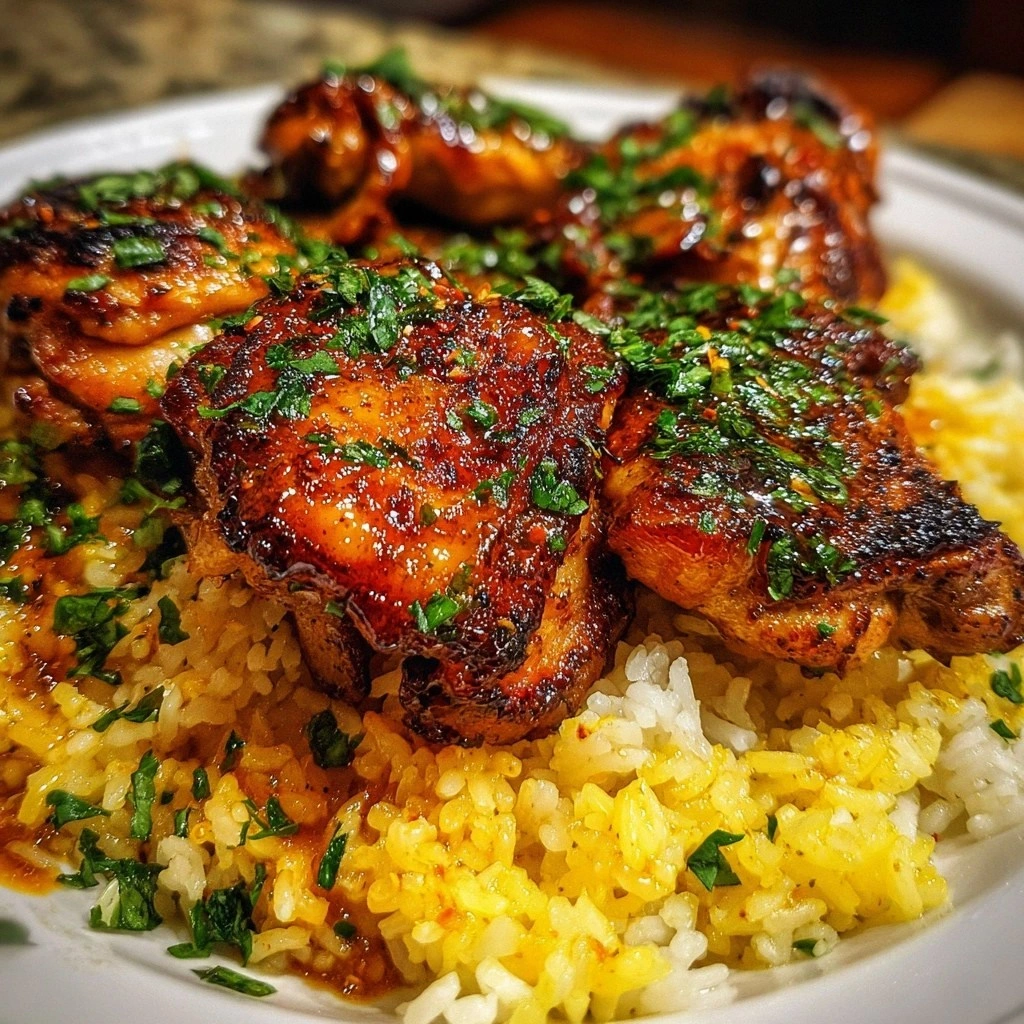
- Plate the jasmine rice, nestle the glazed chicken on top, and drizzle extra sauce over the top. Garnish with a few extra cilantro leaves and a wedge of lime on the side. The presentation is simple yet elegant, ready for a family dinner or a dinner party.
That's it—you did it. But hold on, I've got a few more tricks that'll take this to another level. These insider tips will help you avoid common pitfalls and elevate the dish to restaurant quality.
Insider Tricks for Flawless Results
The Temperature Rule Nobody Follows
Maintaining the correct heat is crucial. If the skillet is too hot, the chicken will burn on the outside and stay raw inside. If it’s too low, you’ll miss that coveted caramelized crust. Use a thermometer to keep the skillet around 375°F during searing. After searing, lower the heat to a gentle simmer for the sauce. This two‑step temperature approach guarantees a perfect texture every time.
Why Your Nose Knows Best
Smell is your most reliable flavor detector. When the maple syrup caramelizes, it releases a sweet, toasted aroma that signals readiness. If the sauce still smells raw, let it simmer a bit longer. A well‑developed aroma often means the flavors have fully blended, resulting in a richer taste.
The 5‑Minute Rest That Changes Everything
After you remove the chicken from the skillet, let it rest for 5 minutes before slicing. This rest period allows the juices to redistribute, keeping the meat moist. A friend tried skipping this step once— the chicken came out dry and the sauce clung unevenly. Trust me, the rest is worth the extra time.
Keep the Sauce Glowing
If the sauce begins to look cloudy or separates, add a teaspoon of cornstarch mixed with a little water to the pan. Stir quickly to incorporate and let it thicken for another minute. This simple technique keeps the sauce smooth and glossy.
Make‑Ahead Sauce
You can prepare the sauce in advance and refrigerate it for up to 48 hours. Reheat gently on low heat, adding a splash of coconut milk or water to loosen it. The flavors will deepen, giving you a dish that’s even more complex when you’re in a hurry.
Rice‑Rice‑Rice
The key to fluffy jasmine rice is to rinse it until the water runs clear. This removes excess starch that can make the rice gummy. Also, use a tight‑lidded pot and avoid lifting the lid while it cooks. The steam will do its job, leaving each grain perfectly separated.
Creative Twists and Variations
This recipe is a playground. Here are some of my favorite ways to switch things up:
Thai Twist
Swap the maple syrup for palm sugar and add a tablespoon of Thai red curry paste. This version brings a fragrant, spicy profile that pairs well with jasmine rice. The coconut milk remains, giving it that creamy backbone. It’s perfect for those who love a hint of exotic heat.
Gluten‑Free Version
Use a gluten‑free soy sauce and serve over cauliflower rice instead of jasmine. The cauliflower adds a subtle nutty flavor while keeping the dish low in carbs. The maple glaze still delivers that sweet, caramelized finish.
Vegan Option
Replace the chicken with marinated tofu or tempeh. Use a plant‑based protein and sear it until golden. The tofu will absorb the maple‑coconut sauce beautifully. Add a sprinkle of nutritional yeast for an extra umami punch.
Breakfast Boost
Serve the glazed chicken over a bed of fluffy scrambled eggs. The maple and coconut flavors pair surprisingly well with eggs, creating a sweet‑savory breakfast that’s both filling and indulgent. Top with a dash of hot sauce for an extra kick.
Low‑Carb Take
Omit the jasmine rice and serve the chicken over sautéed spinach or roasted cauliflower. The coconut milk will still coat the vegetables, giving you a creamy, low‑carb meal that’s just as satisfying. Add a handful of toasted almonds for crunch.
Storing and Bringing It Back to Life
Fridge Storage
Store the chicken and sauce separately in airtight containers. The sauce can keep for up to 4 days in the fridge, while the chicken remains fresh for 3 days. Reheat the sauce on low heat, adding a splash of coconut milk to restore its silky texture.
Freezer Friendly
Freeze the sauce in a freezer‑safe container for up to 2 months. The chicken can be frozen for up to 3 months. When ready to serve, thaw overnight in the fridge and reheat gently on the stove. The flavors will be as good as fresh.
Best Reheating Method
Reheat the dish on the stove over low heat, stirring occasionally. Add a tiny splash of water or coconut milk to steam back to perfection. This method prevents the sauce from drying out and keeps the chicken juicy.
Add a tiny splash of water before reheating — it steams back to perfection and keeps the sauce silky.