I still remember the first time I made this casserole—my kitchen looked like autumn exploded in Technicolor. I had promised my book club a "simple side dish" and ended up creating a bubbling, golden monster that stole the show. The smell alone triggered a stampede; people abandoned their wine glasses and descended on the baking dish like they'd never seen cheese before. I barely rescued a corner piece for myself, and even that disappeared when I turned my back to answer the door. If you've ever wanted a recipe that doubles as a dinner-party superpower, congratulations, you've just found it.
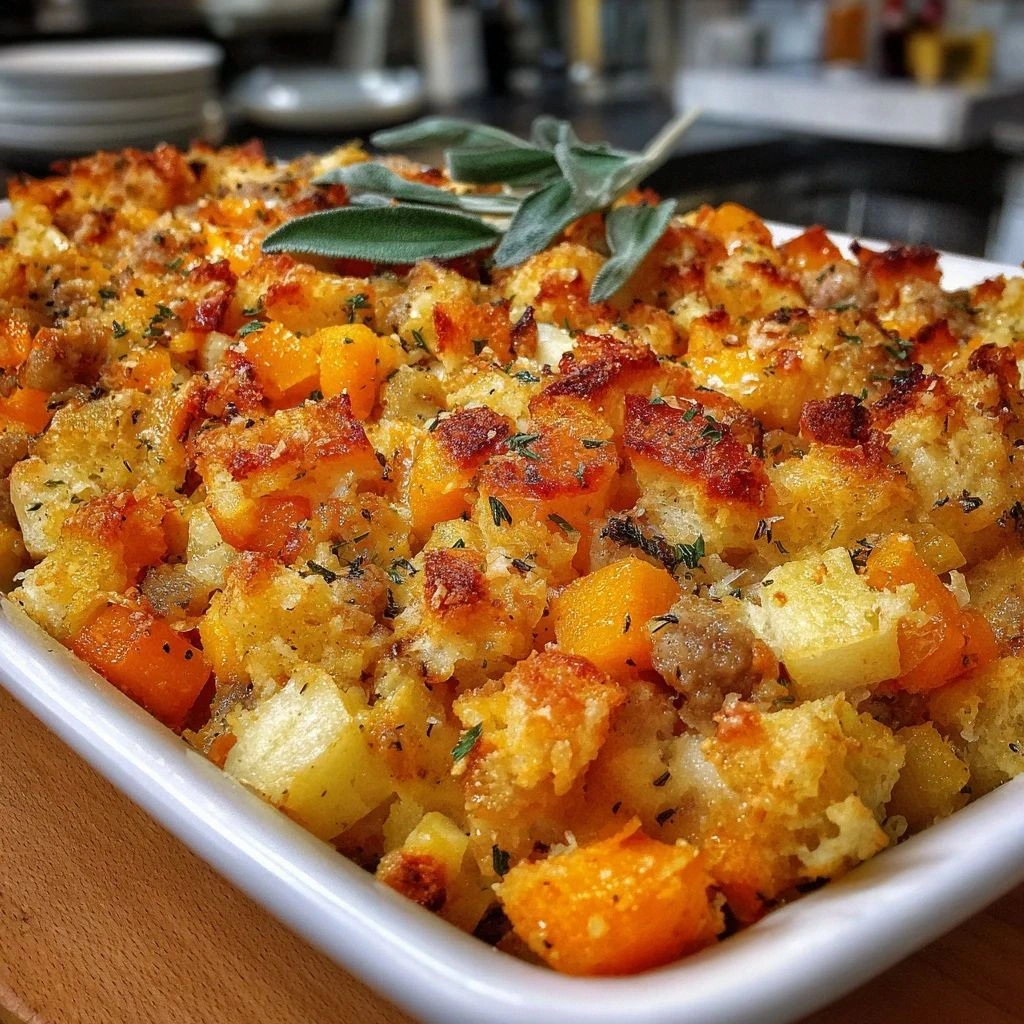
Here's the thing: most butternut squash casseroles are cloyingly sweet, texturally beige, and about as exciting as elevator music. They're the culinary equivalent of a polite handshake—forgettable, safe, and utterly devoid of drama. I wanted fireworks, so I started layering in Honeycrisp apples for snap, sweet Italian sausage for swagger, and fennel bulbs that caramelize into licorice-sweet shards. The Gruyere blanket on top bubbles into a mottled landscape of crunchy frico edges and molten centers that stretch like cheese pull royalty. One bite and you'll understand why I now quadruple the batch for holidays; leftovers reheat like a dream, but realistically there are never leftovers.
Picture yourself on a chilly evening, oven light glowing, the casserole puffing gently under its bronzed top. The scent drifting through your house is equal parts Thanksgiving nostalgia and French-alley bistro—savory, nutty, with teasing whispers of maple and sage. Neighbors will "casually" drop by. Your family will hover, forks in hand, asking if it's done yet every thirty seconds. And when you finally set it on the table, the room hushes for a beat before the chorus of "Oh wow" begins. That's the moment I live for, and it's about to be yours.
Stay with me here—this next part is worth it. I'm going to show you how to coax maximum flavor out of every cube of squash, how to bloom spices so they sing instead of whisper, and how to get that Instagram-ready cheese crust without scorching the edges. By the time you pull your own bubbling masterpiece from the oven, you'll wonder how you ever survived a potluck without this ace up your sleeve.
What Makes This Version Stand Out
- Flavor Depth: Roasting the squash and apples separately concentrates their natural sugars, creating a sweet-savory balance that tastes like autumn decided to throw a dance party on your tongue.
- Textural Drama: Creamy squash, juicy apples, snappy fennel, and the shattering cheese crust deliver the kind of contrast that keeps forks moving on autopilot.
- One-Pan Brilliance: Everything builds in a single skillet or sheet pan before hitting the casserole dish, meaning fewer dishes and more Netflix time later.
- Make-Ahead Magic: Assemble it the night before, refrigerate, then bake straight from cold—just add ten extra minutes and you'll still get that fresh-from-the-oven wow factor.
- Ingredient Integrity: No canned soup shortcuts or mystery powders. Every component is real food you can pronounce, and the difference on the fork is undeniable.
- Crowd Conversion Rate: I've watched self-proclaimed squash-hunters beg for seconds. One friend actually licked the spoon clean—publicly—and then asked for the recipe mid-chew.
Alright, let's break down exactly what goes into this masterpiece and why each player matters more than you think.
Inside the Ingredient List
The Star and Her Sweet Co-Stars
Butternut squash is the Beyoncé of this casserole—golden, smooth, and able to carry the entire performance without breaking a sweat. Its natural sweetness intensifies in the oven, melting into a texture that's almost custard-like at the edges while staying tender-firm in the center. Skip the squash and you don't have a casserole; you have a sad, cheesy apple skillet that'll taste like confusion. Look for specimens with matte, tan skin and a hefty heft—if it feels hollow, the flesh will be stringy. Honeycrisp apples bring snap and bursts of juice that prevent the dish from sliding into baby-food territory, but Granny Smith works if you crave tart sparks against all that richness.
The Savory Backbone
Sweet Italian sausage does the heavy lifting in the flavor department, rendering its spiced fat into the vegetables so every bite hums with fennel seed and garlic. Turkey sausage keeps things lighter, but honestly, life is short and the pork version makes grown adults close their eyes in bliss. Fennel bulbs are the sleeper hit—slice them thin and they melt into onion-sweet ribbons that caramelize like candy, adding a subtle licorice note that makes people ask, "What's that amazing flavor?" Yellow onions form the aromatic trinity with the sausage and fennel, creating the sofrito-style base that anchors the whole dish.
The Flavor Elevators
Don't scoff at the small quantities—pure maple syrup is the difference between flat sweetness and a round, smoky note that blooms under heat. Dried sage whispers of Thanksgiving stuffing, while herbes de Provence brings lavender-kissed mystery that feels fancy without any actual effort. Olive oil keeps the vegetables lubricated and encourages those crave-worthy browned edges; avocado oil works if you're out, but you'll miss the peppery bite. Salt and black pepper aren't afterthoughts here—season aggressively at every stage or the final casserole will taste like beige wallpaper paste.
The Grand Finale
Gruyere is the money move: it melts into silky lava studded with little crunchy protein crystals that pop like savory Pop Rocks. If your wallet's crying, half-and-half with Swiss still delivers respectable stretch, but don't come crying to me when it's not quite as swoon-worthy. Fresh sage leaves fried in a whisper of oil become gossamer crisps that shatter on the tongue—skip them and the casserole still rocks, yet your garnish game will forever know mediocrity. Extra salt and pepper at the end let you dial in perfection right before serving, because cold cheese dulls flavors and you want the last word.
Everything's prepped? Good. Let's get into the real action, where the magic happens one sizzling layer at a time.
The Method — Step by Step
- Preheat your oven to 425°F (220°C) and position a rack in the upper third. This high heat jump-starts caramelization, transforming humble vegetables into candy-like morsels with charred edges that taste toasted and complex. While the oven wakes up, line two rimmed sheet pans with parchment—cleanup is a nightmare without it, and I like you too much to let you suffer. Toss the cubed butternut squash with half the olive oil, a generous pinch of salt, and a few cracks of pepper until every cube glistens like it's headed to a dance. Spread the squash in a single layer on one sheet, ensuring no pieces touch; crowding equals steam, and we want roasted, not mushy.
- Repeat the process with diced Honeycrisp apples on the second sheet, but drizzle them with maple syrup and a whisper of herbes de Provence. The syrup helps the apples blister and wrinkle into concentrated fruit leather bites, while the herbs perfume them with a floral note that plays beautifully against the sweet squash later. Slide both pans into the oven and set a timer for fifteen minutes—this is the perfect window to start the savory layer.
- Heat a large skillet over medium-high and crumble in the Italian sausage. Listen for that initial sizzle; if you don't hear it, your pan wasn't hot enough and the meat will stew in its own juice, killing the fond we need. Break the sausage into thumbnail bits with a wooden spoon, letting it sit undisturbed for thirty seconds at a time so the bottoms develop mahogany crusts. Once it's mostly browned, stir in the sliced fennel and onion along with the remaining olive oil, scraping up those stuck-on treasures with gusto.
- Season the skillet mixture with salt, pepper, dried sage, and a pinch of chili flakes if you like subtle heat. The sage blooms in the hot fat, releasing earthy aromatics that scream cozy comfort food. Reduce the heat to medium and cook, stirring occasionally, until the fennel and onions slump into jammy submission—about eight minutes. You'll know you're there when the onions turn translucent with amber edges and the fennel threads look like golden silk.
- By now the timer's yelling; pull out both sheet pans. Flip the squash with a thin spatula so the paler sides kiss the heat, then rotate the pans front-to-back for even browning. Return them to the oven for another ten to twelve minutes, until the squash sports dark caramel spots and the apples look like candied jewels. Your kitchen should smell like a maple forest collided with a bakery—if it doesn't, crank the heat or check that you salted adequately.
- Transfer the roasted vegetables and apples into the skillet with the sausage mixture. Gently fold everything together, tasting a cube of squash to confirm it's tender with a whisper of resistance—think al dente pasta, not baby food. This is your last chance to adjust seasoning, so be bold. Add a splash of water or broth if the mix looks dry; you want it moist, not soupy, because the cheese will release fat as it melts.
- Lower the oven temperature to 375°F (190°C) and butter a two-quart casserole dish. Butter prevents sticking and adds nutty flavor as the milk solids toast. Scrape the skillet contents into the dish, pressing down gently to create an even layer that will cradle the cheese like a cozy duvet. Sprinkle the Gruyere evenly over the top, nudging it right to the edges so every forkful gets that molten pull. For bonus texture, scatter a few thin cheese shreds on top of the main layer—they'll blister into lacy frico.
- Bake uncovered for twenty to twenty-five minutes, until the cheese is bubbling around the perimeter and the center forms a golden skin that looks like a toasted marshmallow. If you want deeper color, slide the dish under the broiler for one to two minutes, but stay glued to the oven—Gruyere goes from bronzed to bitter in the blink of an eye. Let the casserole rest five minutes before serving; this sets the layers and prevents molten cheese burns that destroy the joy of first bite.
That's it—you did it. But hold on, I've got a few more tricks that'll take this to another level and cement your reputation as the casserole whisperer among your friends.
Insider Tricks for Flawless Results
The Temperature Rule Nobody Follows
Most recipes tell you to bake casseroles at 350°F, but that gentle heat doesn't deliver the blistered cheese crust we crave. Starting at 425°F for the vegetables creates caramelization magic, then dropping to 375°F lets the cheese melt without separating into greasy pools. If you're baking straight from the fridge, add ten minutes at 375°F, then finish under the broiler for that Instagram-worthy bronze. A friend once texted me in panic because her cheese looked pale after the stated time—she hadn't preheated long enough, and the gentle heat rendered her topping sad and rubbery. Don't be that friend.
Why Your Nose Knows Best
Ignore the clock and trust your olfactory system. When the apples begin to smell like hot cider and the squash gives off a popcorn-like aroma, they're perfectly roasted. If you detect even a whiff of maple burning, pull the pans immediately; carry-over heat will finish the job. I set a backup timer two minutes earlier than I think I need, because distracted chatting has cost me more apples than I care to admit. The same principle applies to the final bake—when the Gruyere smells like toasted nuts and you see tiny oil droplets glistening on the surface, it's showtime.
The 5-Minute Rest That Changes Everything
Impatience ruins more casseroles than bad recipes. Letting the dish sit allows the molten cheese to relax, preventing the dreaded cheese-slide when you scoop servings. More importantly, the squash fibers reabsorb steam, turning the texture from watery to luxuriously creamy. Cover loosely with foil if you're worried about heat loss, but don't trap steam or the crust will soften. I use the downtime to fry sage leaves in brown butter—thirty seconds per side until they crisp like potato chips, then perch them on top for restaurant flair.
Season in Layers, Not Dumps
Sprinkling salt only at the end results in superficial seasoning that never penetrates the vegetables. Instead, season the squash before roasting, the skillet mixture while it simmers, and the final combined bake. Think of it like painting a wall—primer, color, and touch-ups create depth. Taste after each layer; the mixture should taste slightly over-salted when hot, because cold dulls flavor perception and you'll be serving this warm, not piping hot. Your future self will thank you when guests keep asking, "What's your secret?"
Creative Twists and Variations
This recipe is a playground. Here are some of my favorite ways to switch things up:
Breakfast Champion Edition
Fold in four beaten eggs with the vegetables before baking and crown the top with crispy bacon shards. The eggs set into a custard that transforms the casserole into a brunch centerpiece, and the bacon fat drips down to season everything like smoky pixie dust. Use sharp white cheddar instead of Gruyere for a more breakfast-friendly vibe, and serve with hot sauce on the side for the brave.
Fire-Kissed Southwest Remix
Swap the sausage for chorizo, replace maple syrup with chipotle honey, and use pepper jack on top. Add a can of drained black beans and a handful of corn kernels to the skillet for textural pop. Finish with chopped cilantro and a squeeze of lime to brighten the smoky-sweet chaos. I dare you to taste this version and not plan a taco night around it.
Vegetarian Umami Bomb
Omit the sausage and stir in a paste of rehydrated porcini mushrooms blended with a spoon of white miso. The mushroom liquor adds meaty depth, while miso contributes fermented savoriness that tricks even devout carnivores. Top with smoked Gouda for campfire undertones that make you forget bacon was ever a thing.
Thanksgiving Leftover Savior
Fold shredded roast turkey and a scoop of cranberry relish into the mix, then blanket with the standard Gruyere. The cranberries melt into tangy pockets that cut through the richness, turning day-four leftovers into something people race toward, not away from. If you've ever struggled with post-holiday food fatigue, you're not alone—and I've got the fix.
Low-Carb Comfort
Replace the apples with diced turnips that have been soaked in salted water for thirty minutes to remove bitterness. They roast into creamy nuggets that mimic potato texture without the carbs. Use turkey sausage and half the maple syrup, and swap Gruyere for aged goat cheese that delivers big flavor in smaller quantities. Picture yourself pulling this out of the oven, the whole kitchen smelling incredible, and still fitting into your favorite jeans tomorrow.
Fireside Bourbon Indulgence
Deglaze the sausage skillet with two shots of bourbon before adding vegetables, letting the alcohol cook off and leaving behind smoky vanilla notes. Drizzle an extra teaspoon of maple over the top cheese layer mid-bake so it lacquers into a shiny, candy-like shell. This version pairs beautifully with roasted pork tenderloin and a big red wine for date-night swagger.
Storing and Bringing It Back to Life
Fridge Storage
Cool the casserole completely, then cover tightly with foil or transfer to airtight glass containers. It keeps up to four days, though the cheese crust will soften—still delicious, just less shatteringly crisp. Store portions individually for lightning-fast lunches you can reheat in under two minutes. Always label with painter's tape and a date; mysterious leftovers become science experiments faster than you'd think.
Freezer Friendly
Assemble the casserole but stop before adding the final cheese layer. Wrap the entire dish in plastic, then foil, and freeze up to two months. When ready to serve, thaw overnight in the fridge, top with fresh Gruyere, and bake as directed, adding ten extra minutes. The texture suffers slightly—squash can weep—but a quick blast under the broiler restores confidence. Freeze in muffin tins for single-serve portions that pop out like savory cupcakes.
Best Reheating Method
Skip the microwave unless you enjoy rubbery cheese. Instead, place a portion in an oven-safe skillet, add a splash of water, and cover with a lid. Heat at 350°F for ten minutes; the steam revives the creamy texture while the direct heat re-crisp the bottom. For emergency situations, the toaster oven works: low heat, foil tent, patience. Add a tiny splash of water before reheating—it steams back to perfection and fools everyone into thinking you baked it fresh.