
A bright, tender loaf that marries the subtle crunch of poppy seeds with a zingy lemon glaze—perfect for brunch, tea time, or a sunny snack.
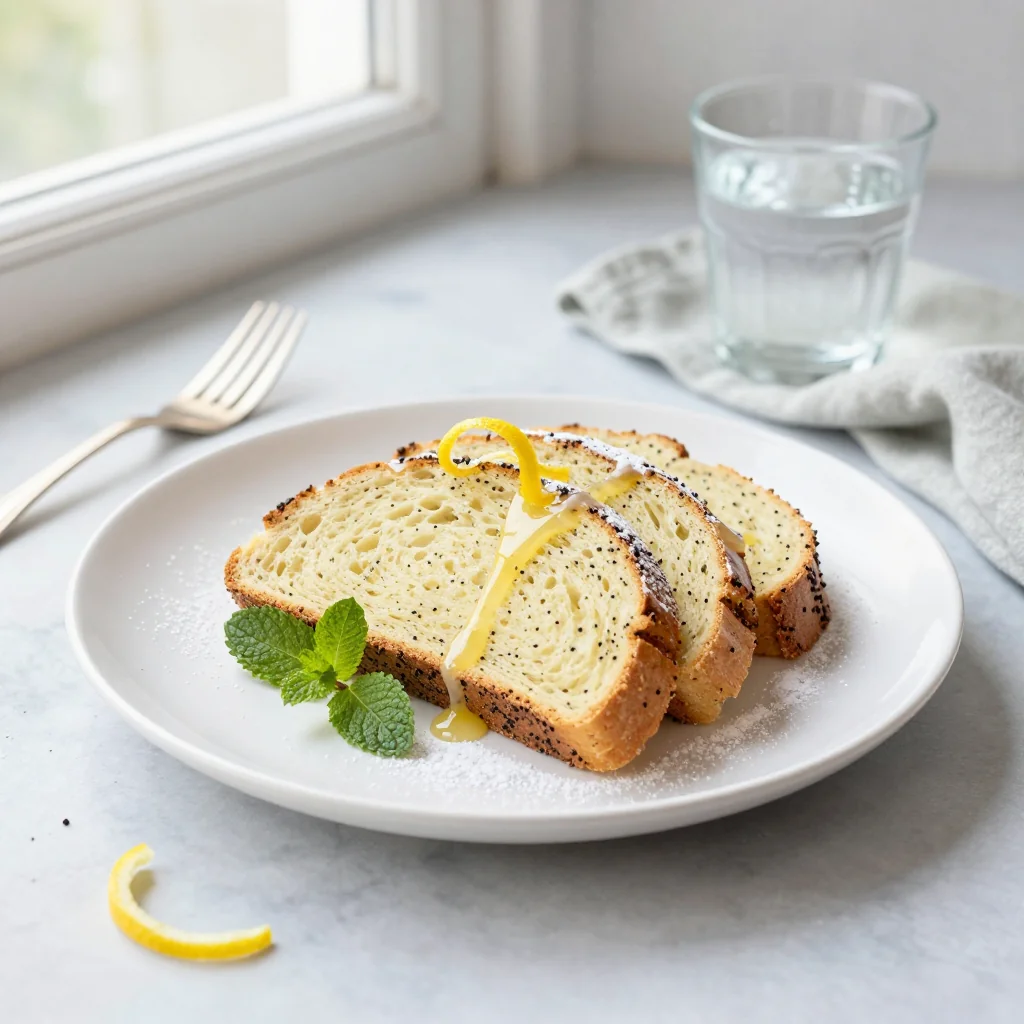
When I was a child, the kitchen smelled like sunshine. My grandmother would pull a fresh loaf from the oven every Sunday, the scent of butter and citrus filling the whole house. One summer, she introduced me to poppy seeds—tiny black pearls that added a delicate crunch to her classic lemon cake. Years later, while experimenting in my own kitchen, I combined those memories into a single loaf: Lemon Poppy Seed Bread with Lemon Glaze.
This bread hails from a blend of European traditions. Lemon-infused quick breads are a staple in Mediterranean bakeries, while poppy seeds have long been used in Central European pastries. By marrying the two, we create a loaf that feels both familiar and exciting, a perfect bridge between heritage and modern comfort.
In this article, you’ll learn how to achieve a tender crumb, a perfectly balanced glaze, and tips to customize the loaf for any occasion. The step‑by‑step guide ensures even novice bakers can replicate the result, while seasoned cooks will appreciate the nuanced flavor layers.
So preheat your oven, gather the ingredients, and let’s embark on a citrus‑kissed baking adventure together!
🌟 Why This Recipe Will Captivate You
From the first bite to the lingering aftertaste, this loaf offers a symphony of textures and flavors that keep you reaching for another slice.
- ✨ Bright, Natural Flavor: Fresh lemon zest and juice provide a clean, aromatic tang without artificial additives, letting the fruit’s natural acidity shine.
- ✨ Delightful Crunch: Poppy seeds add a subtle, nutty crunch that contrasts beautifully with the soft crumb, creating a multi‑sensory eating experience.
- ✨ Moisture‑Locked Crumb: The combination of butter, milk, and a gentle baking powder rise keeps the bread moist for days, preventing the dreaded dry texture.
- ✨ Versatile Presentation: The glossy lemon glaze can be drizzled, brushed, or even turned into a thin icing, making the loaf suitable for casual breakfasts or elegant tea parties.
- ✨ Simple Ingredient List: With pantry staples and a few fresh items, you won’t need a specialty store run—perfect for spontaneous baking sessions.
- ✨ Crowd‑Pleasing Appeal: Its bright appearance and balanced sweet‑sour profile make it a hit with both kids and adults, ensuring it’s the star of any gathering.
🥗 The Ingredients
📝 Complete Ingredient List
For the Bread:
For the Lemon Glaze:
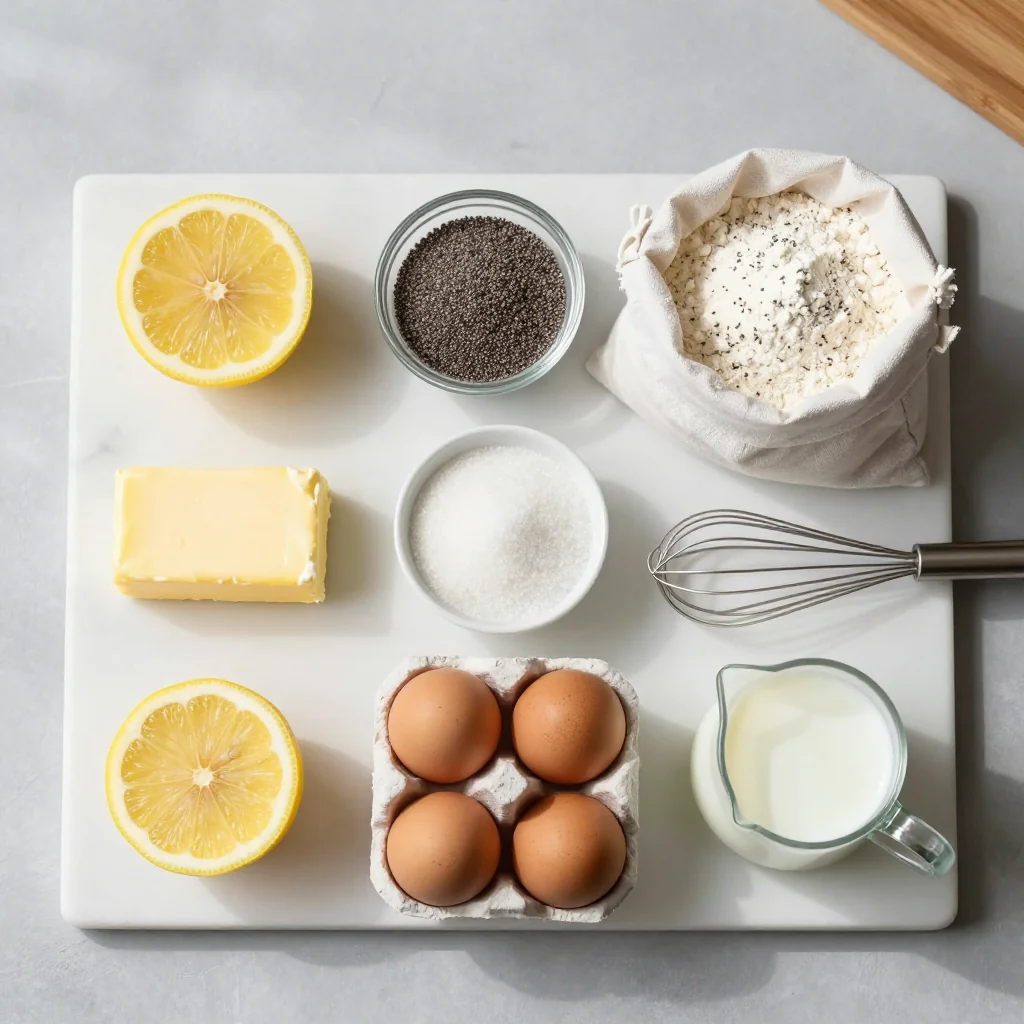
🔍 Focus on Key Ingredients
Lemon Zest & Juice
The zest contains essential oils that give a bright, aromatic punch, while the juice adds acidity that balances the sweetness of the sugar and glaze. Use organic lemons to avoid pesticide residue, and zest only the colored part of the peel for maximum flavor without bitterness.
Poppy Seeds
Poppy seeds are tiny but pack a nutty, slightly sweet flavor and a pleasant crunch. They also add visual interest with speckles of black throughout the crumb. Rinse them quickly under cold water and pat dry before adding to the batter to remove any dust.
Unsalted Butter
Butter provides richness and helps create a tender crumb. Using unsalted butter allows you to control the salt level precisely, ensuring the lemon’s acidity isn’t overpowered.
🔄 Quick Substitutions
| If you don’t have… | Use instead… |
|---|---|
| All‑purpose flour | Pastry flour (slightly less protein for extra tenderness) |
| Fresh lemons | 1 tbsp bottled lemon juice + ½ tsp lemon zest (adjust to taste) |
| Poppy seeds | Sesame seeds or finely ground almonds for a different texture |
👨🍳 Step‑by‑Step Instructions
Follow these detailed steps to bake a loaf that’s moist, fragrant, and beautifully glazed. Take your time with each phase; patience rewards you with a bakery‑quality result.
📋 Phase 1: Preparation & Mise en Place
Gather and measure everything before you start. This reduces stress and ensures a smooth workflow.
Preheat Oven and Prepare Pan
Set your oven to 175 °C (350 °F) and allow it to fully preheat. Meanwhile, grease a 9‑× 5‑inch loaf pan with a thin layer of butter and line the bottom with parchment paper. This dual method prevents sticking and makes removal effortless.
Combine Dry Ingredients
In a large mixing bowl, whisk together the flour, baking powder, salt, and poppy seeds. Ensure the poppy seeds are evenly distributed; this avoids clumping and guarantees a uniform texture throughout the loaf.
🔥 Phase 2: Mixing & Baking
The wet and dry components will be brought together gently to preserve air and keep the crumb light.
Cream Butter and Sugar
Using a handheld mixer on medium speed, beat the softened butter and granulated sugar until the mixture is pale and fluffy, about 3–4 minutes. This process incorporates air, which contributes to a lighter crumb.
Add Eggs, Lemon Juice, and Zest
Beat in the eggs one at a time, ensuring each is fully incorporated before adding the next. Then stir in the fresh lemon juice and zest. The acidity will slightly react with the baking powder, giving a subtle lift.
Incorporate Dry Ingredients
Gradually add the dry mixture to the wet batter, alternating with the milk. Start and finish with the flour mixture. Mix on low speed or fold with a spatula until just combined; over‑mixing develops gluten and makes the loaf tough.
Bake the Bread
Place the pan in the middle rack of the preheated oven. Bake for 30‑35 minutes, or until a toothpick inserted into the center comes out clean and the top is a deep golden‑amber. The poppy seeds should be lightly toasted, adding a nutty aroma.
✨ Phase 3: Glazing & Finishing
While the loaf cools, prepare the glaze that will give it that signature glossy finish.
Make the Lemon Glaze
In a small bowl, whisk together the powdered sugar, fresh lemon juice, and extra zest until smooth. If the glaze is too thick, add a few drops more lemon juice; if too thin, add a tiny pinch of powdered sugar.
Apply the Glaze
Once the bread has cooled in the pan for 10 minutes, turn it out onto a wire rack. While the loaf is still warm, drizzle the glaze over the top, allowing it to pool and seep into the surface. The warmth helps the glaze set with a shiny finish.
Cool Completely
Let the glazed loaf cool completely on the rack before slicing. This prevents the glaze from becoming gummy and ensures clean, even slices.
Serve and Enjoy
Slice the bread into 1‑inch pieces and serve slightly warm or at room temperature. Pair with a cup of Earl Grey tea or a glass of chilled sparkling water for a refreshing contrast.
💡 Expert Tips & Tricks
🛒 Choosing the Best Ingredients
Always opt for fresh, organic lemons—the zest holds volatile oils that evaporate quickly if the fruit is old. For flour, sift it before measuring to avoid compacted pockets that could make the loaf dense. When buying poppy seeds, look for a bright, uniform color; stale seeds lose their delicate crunch.
🔪 Preparation Techniques
Room‑temperature butter and eggs blend more uniformly, reducing the risk of curdling. When zesting, use a microplane to get fine ribbons without the bitter white pith. Fold the batter gently; a rubber spatula helps preserve the air you’ve incorporated during creaming.
🌡️ Mastering the Bake
Every oven behaves slightly differently. Invest in an oven thermometer to verify the 175 °C setting. If the top browns too quickly, loosely tent the loaf with foil after the first 20 minutes. This protects the glaze and ensures the interior cooks through.
🍽️ Presentation & Service
For a polished look, drizzle the glaze in a slow, steady stream and use a small offset spatula to spread any excess. Dust the finished loaf with a light sprinkle of powdered sugar for an elegant finish. Serve on a marble slab for a restaurant‑style presentation.
🏆 Pro Tips
Understanding the science behind each step transforms a good loaf into a professional masterpiece.
- 🎯 Control Moisture with Butter Temperature: Softened butter (around 20 °C) emulsifies better than melted butter, which can cause a greasy crumb. The right temperature traps air bubbles, yielding a lighter texture.
- 🎯 Use Cream of Tartar for Extra Lift: Adding a pinch (¼ tsp) of cream of tartar to the baking powder stabilizes the rise, especially important when the batter contains acidic lemon juice.
- 🎯 Adjust Glaze Consistency with Temperature: Warm glaze spreads more easily and sets with a glossy sheen. If your kitchen is cool, gently warm the glaze in the microwave for 5‑10 seconds before drizzling.
- 🎯 Prevent Over‑Browning with a Water Bath: Placing the loaf pan in a shallow tray of hot water (bain‑marie) for the first 15 minutes creates steam, which slows crust formation and keeps the interior moist.
- 🎯 Optimize Slice Uniformity: Use a serrated bread knife, and dip it in hot water before each cut. The heat reduces friction, giving clean, even slices without crushing the crumb.
- 🎯 Flavor Layering with Zest: Adding a second zest of lemon to the glaze intensifies the citrus aroma without making it sour, creating a balanced flavor profile that lingers on the palate.
“A great loaf is a balance of science and love; the chemistry of leavening meets the heart of flavor.” — Thomas Keller
🔄 Variations & Adaptations
This recipe is a flexible canvas. Feel free to tweak it to match dietary needs, flavor preferences, or seasonal ingredients.
🥬 Vegetarian/Vegan Version
Replace the eggs with ½ cup of unsweetened applesauce or a commercial egg replacer, and swap butter for vegan margarine. Use plant‑based milk such as oat or almond milk. The texture remains moist, and the lemon‑poppy flavor shines through.
- Egg substitute: ½ cup applesauce (adds subtle sweetness)
- Vegan butter: 115 g, softened
🌶️ Flavor Variations
Explore different taste directions by adjusting the glaze or adding complementary ingredients to the batter.
Spicy Version:
Incorporate ½ tsp of finely ground cayenne pepper into the batter and swap the lemon glaze for a honey‑sriracha drizzle for a sweet‑heat contrast.
Mediterranean Version:
Add 2 tbsp of finely chopped fresh rosemary to the batter and replace the glaze with a drizzle of olive oil mixed with a pinch of sea salt and lemon zest.
Asian‑Inspired Version:
Mix 1 tsp of toasted sesame oil into the batter and top the glaze with toasted sesame seeds and a splash of yuzu juice for a bright, umami‑rich finish.
⚠️ Dietary Adaptations
Gluten‑Free:
Use a 1‑to‑1 gluten‑free flour blend (rice flour, tapioca starch, and potato starch) and add 1 tsp xanthan gum to mimic gluten’s binding properties.
Lactose‑Free:
Swap butter for lactose‑free margarine and use almond milk or oat milk instead of dairy milk.
Low‑Calorie:
Reduce sugar by 30 % and replace half the butter with unsweetened applesauce. The glaze can be thinned with a touch of water to cut calories while retaining shine.
👶 Family/Kids Version
Kids love a sweeter profile. Increase the sugar to 180 g, add a handful of mini chocolate chips, and use a simple vanilla glaze instead of lemon. Serve with a side of fresh berries for color and nutrition.
📦 Storage & Reheating
🧊 Conservation
In the Refrigerator:
- Duration: 5 days
- Container: Airtight cake tin or resealable plastic bag
- Tip: Place a piece of parchment paper directly on the surface to prevent the glaze from absorbing moisture.
In the Freezer:
- Duration: 2 months
- Method: Wrap the loaf tightly in foil, then place in a freezer‑safe bag.
- Defrosting: Thaw overnight in the refrigerator, then let sit at room temperature for 30 minutes before serving.
💡 For best flavor, consume within the first week. The lemon glaze can become slightly sticky after freezing; a quick re‑glaze after thawing refreshes it.
♨️ Reheating
🔥 Oven (Recommended):
- Preheat to 160 °C (325 °F).
- Cover the loaf loosely with aluminum foil to prevent the glaze from over‑caramelizing.
- Heat for 10‑12 minutes, then remove foil for the last 2 minutes to revive the glaze’s shine.
⚡ Microwave (Quick):
- Place a slice on a microwave‑safe plate.
- Cover with a microwave‑safe lid or parchment.
- Heat on medium power for 30‑45 seconds, checking for warmth.
- If needed, rotate the slice halfway through.
🍳 Stovetop:
Warm a slice in a non‑stick skillet over low heat, covered, for 2‑3 minutes. This method revives the crust while keeping the interior soft.
🍷 Perfect Pairings
🥗 Side Dishes
- Fresh Mixed Greens: A light salad with baby arugula, cherry tomatoes, and a drizzle of lemon‑olive oil balances the sweet loaf.
- Berry Compote: Warm mixed berries with a splash of orange liqueur add a fruity contrast.
- Greek Yogurt Parfait: Layered with honey and toasted nuts, it offers a creamy counterpoint.
🍷 Wine & Beverage Pairings
- Prosecco: Its crisp bubbles echo the lemon’s acidity and cleanse the palate.
- Sauvignon Blanc: The herbaceous notes complement the zest while enhancing the poppy seed’s nuttiness.
- Non‑Alcoholic: Sparkling lemonade with a sprig of mint mirrors the loaf’s citrus profile.
🍰 Complementary Courses
Start with a light citrus‑infused soup or a chilled cucumber gazpacho. Follow the bread with a delicate almond tart or a vanilla panna cotta to round out a sophisticated brunch menu.
❓ Frequently Asked Questions
Q: Can I use a different type of citrus instead of lemon?
A: Absolutely! Lime or yuzu work beautifully, offering a slightly different aromatic profile. If you substitute, keep the same quantity of juice and zest to maintain balance.
Q: My loaf came out dense—what went wrong?
A: Over‑mixing the batter can develop gluten, leading to a dense texture. Also, ensure your baking powder is fresh; old leavening agents lose potency. Finally, verify oven temperature with a thermometer; an oven that runs hot can cause premature crust formation.
Q: How can I make the glaze less sweet?
A: Reduce the powdered sugar to 100 g and add an extra teaspoon of lemon juice. You can also incorporate a pinch of salt to counterbalance sweetness without compromising the glaze’s shine.
Q: Is it possible to add nuts without altering the recipe?
A: Yes—fold in ½ cup of finely chopped toasted almonds or pistachios with the poppy seeds. This adds a pleasant crunch without affecting the crumb structure.
Q: What’s the best way to store leftovers?
A: Keep the loaf in an airtight container at room temperature for up to three days. For longer storage, wrap tightly in foil and freeze. Thaw and re‑glaze before serving for optimal freshness.
Q: Can I prepare the batter ahead of time?
A: The batter can be mixed up to 2 hours in advance and kept refrigerated. Bring it back to room temperature before baking, and give it a gentle stir to re‑incorporate any settled ingredients.
🎉 To Your Oven!
This Lemon Poppy Seed Bread with Lemon Glaze captures the essence of sunshine in every bite. The bright citrus notes, delicate poppy seed crunch, and glossy glaze combine to create a loaf that feels both home‑cooked and restaurant‑worthy. Whether you serve it at a casual brunch or a refined tea party, the recipe’s balance of flavors and textures will impress family and friends alike.
Remember, the key lies in gentle mixing, precise temperature control, and the final glaze applied while the loaf is still warm. Feel free to experiment with the variations provided—each tweak offers a new adventure for your palate.
Have you tried this recipe?
Leave a comment and rating below! Share your photos on Instagram with #LemonPoppyBread for a chance to be featured.
Lemon Poppy Seed Bread with Lemon Glaze
A bright, tender loaf that marries poppy seed crunch with a zingy lemon glaze.
📝 Ingredients
For the Bread
For the Glaze
👨🍳 Instructions
- 1 Preheat the oven to 175 °C (350 °F) and prepare a greased loaf pan with parchment.
- 2 Whisk together flour, baking powder, salt, and poppy seeds in a large bowl.
- 3 Cream butter and sugar until pale and fluffy, about 3–4 minutes.
- 4 Beat in eggs one at a time, then stir in lemon juice and zest.
- 5 Alternate adding the dry mixture and milk, beginning and ending with flour. Mix just until combined.
- 6 Pour batter into the pan, smooth the top, and bake 30–35 minutes until a toothpick comes out clean.
- 7 While the loaf cools, whisk powdered sugar, lemon juice, and zest for the glaze.
- 8 Drizzle glaze over the warm loaf, allowing it to set as the bread cools.
- 9 Cool completely on a wire rack before slicing.
- 10 Serve slices with tea, coffee, or your favorite brunch beverage.
🥗 Nutritional Information (per serving)
*Values are estimates based on standard ingredient brands.






💬 Comments & Reviews
Leave a Comment
No comments yet. Be the first to share your thoughts!