Love this? Pin it for later! 📌
When the first crisp autumn breeze slips through the windows of my 1890s farmhouse, I reach for the same weathered Dutch oven my grandmother once used to feed threshing crews during Minnesota harvest. This creamy chicken and wild rice casserole soup is more than a recipe—it's a warm hug in a bowl that bridges the gap between the nostalgic casserole dishes of my childhood and the sophisticated soups I now love to serve guests. The nutty chew of hand-harvested Minnesota wild rice mingles with tender chunks of chicken in a velvety base that's been thickened just enough to feel indulgent while still slurp-able. Unlike many wild rice soups that can taste one-note, this version builds layers of flavor through careful browning, a splash of dry sherry, and a whisper of fresh thyme. It's the kind of soup that makes you close your eyes after the first spoonful, the kind that turns weeknight dinner into something memorable, the kind that prompts friends to ask for the recipe before they've even finished their second bowl.
Why This Recipe Works
- Two-stage cooking: We brown the chicken first for fond, then simmer it gently to keep it tender
- Wild rice technique: Rinsing and toasting the rice before simmering unlocks its nutty essence
- Cream without curdling: Tempering the dairy with hot broth prevents separation
- Vegetable layering: Adding carrots and celery at different stages maintains texture
- Make-ahead magic: Flavors deepen overnight, making this perfect for entertaining
- Freezer-friendly: The roux-based broth reheats beautifully without becoming grainy
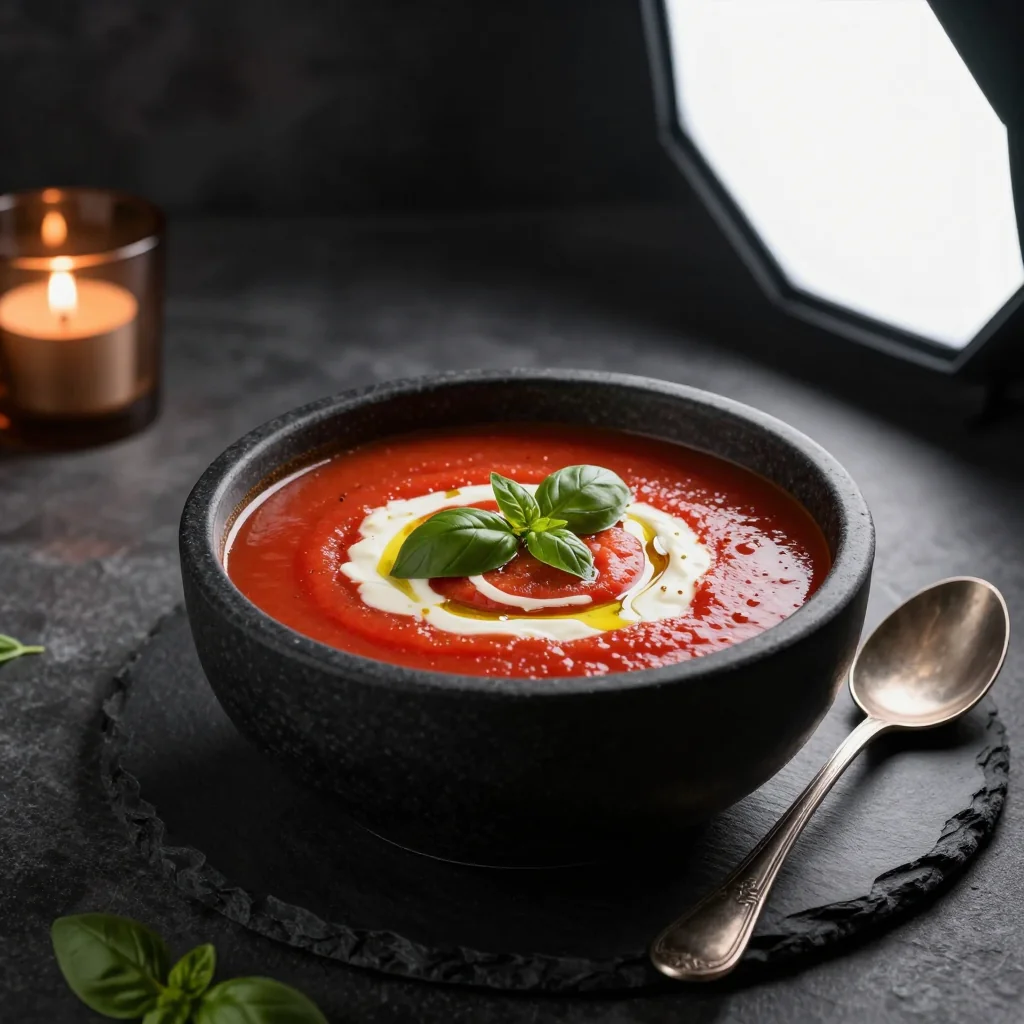
- Elegant presentation: A drizzle of cream and fresh herbs transforms rustic to refined
Ingredients You'll Need

The magic of this soup lies in the quality of its humble ingredients. Each component plays a crucial role in creating the final symphony of flavors, so let's explore what to look for when shopping.
The Chicken
I prefer bone-in, skin-on chicken thighs for this recipe—they stay incredibly moist during the longer cooking process and their collagen melts into the broth, adding body. If you're short on time, boneless thighs work too, but avoid chicken breast which can become stringy. Look for air-chilled chicken if possible; it hasn't been injected with salt water and will brown better.
Wild Rice vs. Wild Rice Blend
True wild rice (the long, dark grains) is actually an aquatic grass seed, not rice at all. It has an earthy, almost smoky flavor that supermarket blends can't replicate. The cooking time is longer—45-60 minutes—but the texture payoff is enormous. If you must use a blend, add it later in the cooking process so it doesn't turn to mush.
The Cream Component
Half-and-half provides the perfect richness without being too heavy. For special occasions, I'll substitute 1 cup of the half-and-half with pure cream, but never use milk—it'll curdle. Room temperature dairy incorporates more smoothly, so pull it from the fridge before you start cooking.
The Aromatics
A proper mirepoix of onion, carrot, and celery forms the backbone, but don't overlook the power of fresh thyme and bay leaves. Dried thyme becomes dusty and overpowering; fresh sprigs infuse subtle herbal notes. The bay leaves should be Turkish, not California—the latter contains too much cineole and can taste medicinal.
The Roux Secret
Equal parts butter and flour cooked to a pale blonde roux thickens the soup without lumps. The key is patience—let the flour taste cook out for at least 2 minutes while stirring constantly. This creates a stable emulsion that won't break when you add the cream.
How to Make Creamy Chicken and Wild Rice Casserole Soup
Prep the chicken and vegetables
Pat chicken thighs dry with paper towels—moisture is the enemy of browning. Season both sides generously with 2 teaspoons salt and 1 teaspoon pepper. Dice onions, carrots, and celery into ½-inch pieces, keeping them separate. Mince garlic and measure out spices. This mise en place prevents scrambling later when the pot is hot.
Brown the chicken
Heat 2 tablespoons olive oil in a heavy Dutch oven over medium-high heat until shimmering. Add chicken skin-side down; don't crowd the pan. Let it develop a deep golden crust—about 5-6 minutes—without moving it. The fond (browned bits) equals flavor. Flip and brown the other side 3 minutes. Transfer to a plate; don't worry if it's not cooked through.
Toast the wild rice
Pour off all but 1 tablespoon fat. Add rinsed wild rice to the hot pot; stir constantly until grains smell nutty and some pop—about 3 minutes. This extra step prevents mushy rice and intensifies flavor. Add 4 cups chicken broth, scraping up the fond. Bring to a boil, then reduce to simmer.
Build the flavor base
While rice simmers, melt 4 tablespoons butter in a separate pan. Add onions with a pinch of salt; cook until translucent—about 5 minutes. Add carrots and celery; cook 5 minutes more until just tender. Stir in garlic, thyme, and bay leaves; cook 1 minute until fragrant. This layering ensures each vegetable reaches optimal texture.
Create the roux
Sprinkle ¼ cup flour over vegetables; stir constantly for 2 minutes to eliminate raw flour taste. The mixture should look like wet sand. Slowly whisk in 2 cups warm chicken broth, avoiding lumps. This forms a velouté that will thicken the soup without becoming gloppy.
Combine and simmer
Add vegetable-roux mixture to the pot with wild rice. Nestle chicken pieces on top. Simmer gently, partially covered, for 35-40 minutes until rice splits and curls (tender but not mushy). Stir occasionally, adding broth if needed. Remove chicken when cool enough to handle.
Shred and add cream
Remove skin and bones from chicken; shred meat into bite-size pieces. Return to pot. In a bowl, whisk ½ cup hot broth into room-temperature half-and-half (tempering prevents curdling). Stir cream mixture into soup; heat gently—never boil—until steaming. Season with salt, pepper, and sherry.
Finish and serve
Remove bay leaves and thyme stems. Taste and adjust seasoning—soup should sing with balanced savory, earthy, and creamy notes. Ladle into warm bowls; garnish with chopped parsley, a swirl of cream, and cracked black pepper. Serve with crusty sourdough for the ultimate comfort meal.
Expert Tips
Temperature Control
Keep soup below 180°F after adding cream. Higher heat causes dairy proteins to tighten and squeeze out moisture, creating grainy texture. A gentle steam is perfect.
Make-Ahead Magic
Soup tastes even better the next day. Cool completely, refrigerate up to 3 days, and reheat slowly. Add a splash of broth to loosen; taste and reseason before serving.
Preventing Skin
Press plastic wrap directly onto soup surface when cooling. This prevents a skin from forming and keeps the cream from developing an unappetizing film.
Brighten Before Serving
A squeeze of lemon juice or splash of dry sherry added just before serving lifts the rich flavors and prevents the soup from tasting heavy.
Freezer Success
Freeze in portion sizes for up to 3 months. Thaw overnight in fridge, then reheat slowly. The roux-based broth won't separate like cream-only soups.
Leftover Transformation
Thicken leftovers with extra roux for a pot pie filling. Top with puff pastry and bake at 400°F for 20 minutes for an entirely new meal.
Variations to Try
Mushroom Lovers
Add 8 oz cremini mushrooms, sautéed until golden, along with the vegetables. Their umami depth complements the wild rice beautifully.
Smoky Version
Replace half the chicken with smoked turkey or add ½ teaspoon smoked paprika. The smoke plays beautifully against the earthy wild rice.
Vegetable Boost
Stir in 2 cups baby spinach during the last 5 minutes, or add roasted butternut squash cubes for autumn sweetness and color contrast.
Seafood Twist
Substitute shrimp or crab for the chicken. Add seafood during last 5 minutes to prevent overcooking. Use seafood stock instead of chicken.
Storage Tips
This soup's flavors actually intensify after a day in the refrigerator, making it ideal for entertaining. Transfer cooled soup to airtight containers within 2 hours of cooking. The wild rice will continue absorbing liquid, so store extra broth separately. For best texture, consume within 4 days.
For freezing, cool completely, then ladle into freezer bags (lay flat for space efficiency) or rigid containers leaving 1-inch headspace. Label with date and contents. Thaw overnight in refrigerator—never at room temperature where bacteria multiply rapidly. Reheat gently over medium-low heat, stirring frequently, until steaming but not boiling.
When reheating, you may need to add additional broth or cream to achieve desired consistency. Always taste and adjust seasoning after reheating, as flavors dull during storage. A fresh garnish of herbs just before serving brightens the reheated soup remarkably.
Frequently Asked Questions
Yes, but adjust cooking time and technique. Blends contain white or brown rice that cooks faster than true wild rice. Add the blend during the last 20-25 minutes of simmering to prevent mushy texture. The flavor won't be as nutty, but it's more budget-friendly and widely available.
Dairy curdles when exposed to high heat or acidity. Always temper cream by whisking in hot broth first, then add to soup. Never let the soup boil after adding dairy. If it's already curdled, blend with an immersion blender—the texture won't be perfect but flavor remains intact.
Yes, but brown the chicken and make the roux on the stovetop first for best flavor. Transfer everything except cream to slow cooker. Cook on low 6-7 hours or high 3-4 hours. Add cream during last 30 minutes. Wild rice texture is harder to control in slow cookers, so check frequently.
True wild rice takes 45-60 minutes to become tender. If yours is still crunchy, it may be old or you didn't use enough liquid. Add 1 cup hot broth, cover, and simmer 15 minutes more. The grains should split and curl when done. Don't confuse firm texture with undercooked—wild rice retains more bite than white rice.
Not recommended. Milk's lower fat content makes it prone to curdling and won't provide the luxurious mouthfeel. If you must reduce fat, use whole milk plus 2 tablespoons cream cheese, whisked until smooth. This stabilizes the dairy and adds richness without as much fat.
Wild rice continues absorbing liquid even after cooking. Store rice and soup separately if making ahead, or plan to add additional broth when reheating. For serving, the soup should coat a spoon but not be as thick as stew. Keep extra warm broth on the side for thinning to individual preference.

Creamy Chicken and Wild Rice Casserole Soup
Ingredients
Instructions
- Season and brown chicken: Pat chicken dry; season with 2 teaspoons salt and 1 teaspoon pepper. Heat olive oil in Dutch oven over medium-high. Brown chicken 5-6 minutes per side. Transfer to plate.
- Toast wild rice: Add rinsed rice to pot; stir until nutty and some grains pop, about 3 minutes. Add 4 cups warm broth, scraping up browned bits. Bring to simmer.
- Prepare vegetables: In separate pan, melt butter. Sauté onion with pinch salt until translucent, 5 minutes. Add carrots and celery; cook 5 minutes. Stir in garlic, thyme, bay leaves; cook 1 minute.
- Make roux: Sprinkle flour over vegetables; cook 2 minutes, stirring constantly. Gradually whisk in 2 cups warm broth until smooth.
- Simmer soup: Add vegetable mixture to rice pot. Nestle chicken on top. Partially cover; simmer 35-40 minutes until rice splits and curls.
- Finish with cream: Remove chicken; shred meat when cool. Discard skin and bones. Whisk ½ cup hot broth into half-and-half; stir into soup. Add shredded chicken and sherry. Heat gently until steaming; season to taste.
- Serve: Remove bay leaves and thyme stems. Ladle into bowls; garnish with parsley and cracked pepper.
Recipe Notes
For best results, use true wild rice rather than blends. Soup thickens upon standing; thin with additional broth when reheating. Never boil after adding cream to prevent curdling.