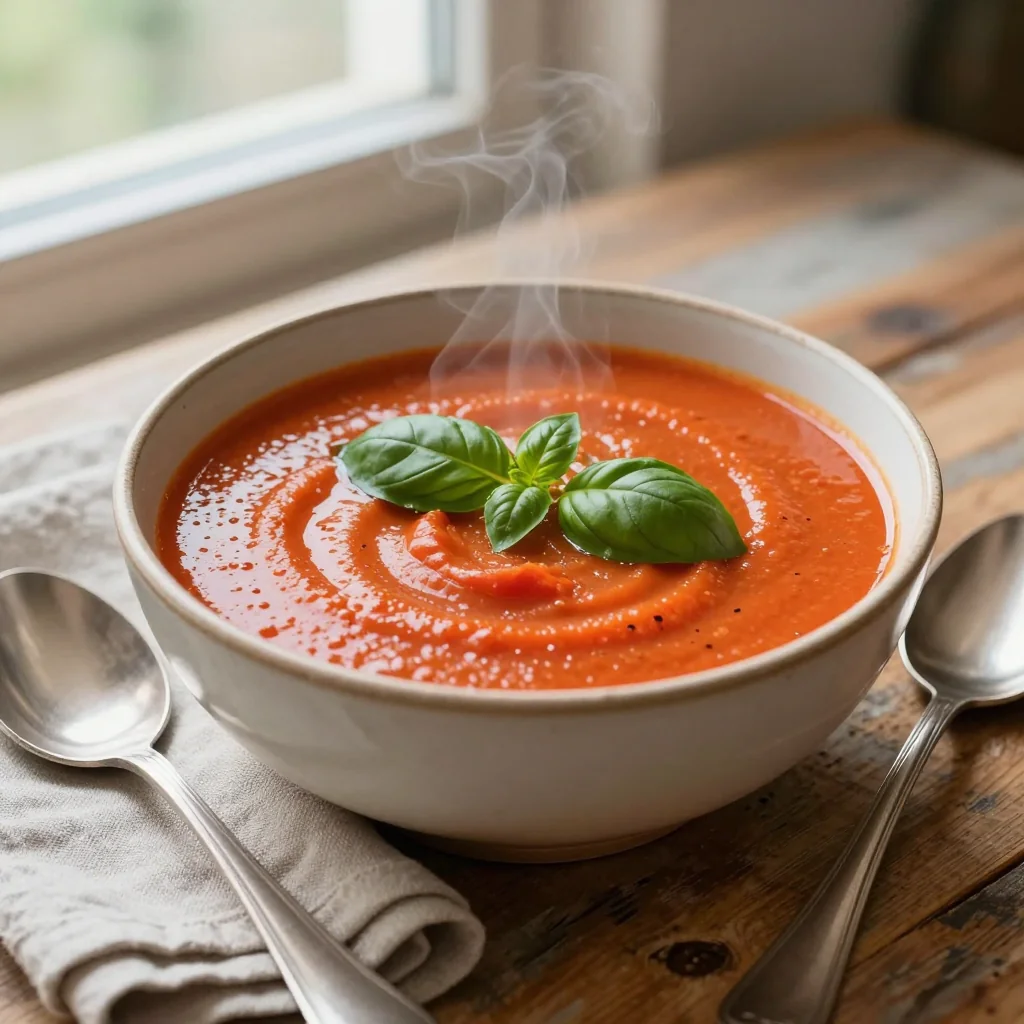
A velvety, aromatic bowl of comfort that turns fresh tomatoes into a silky masterpiece.
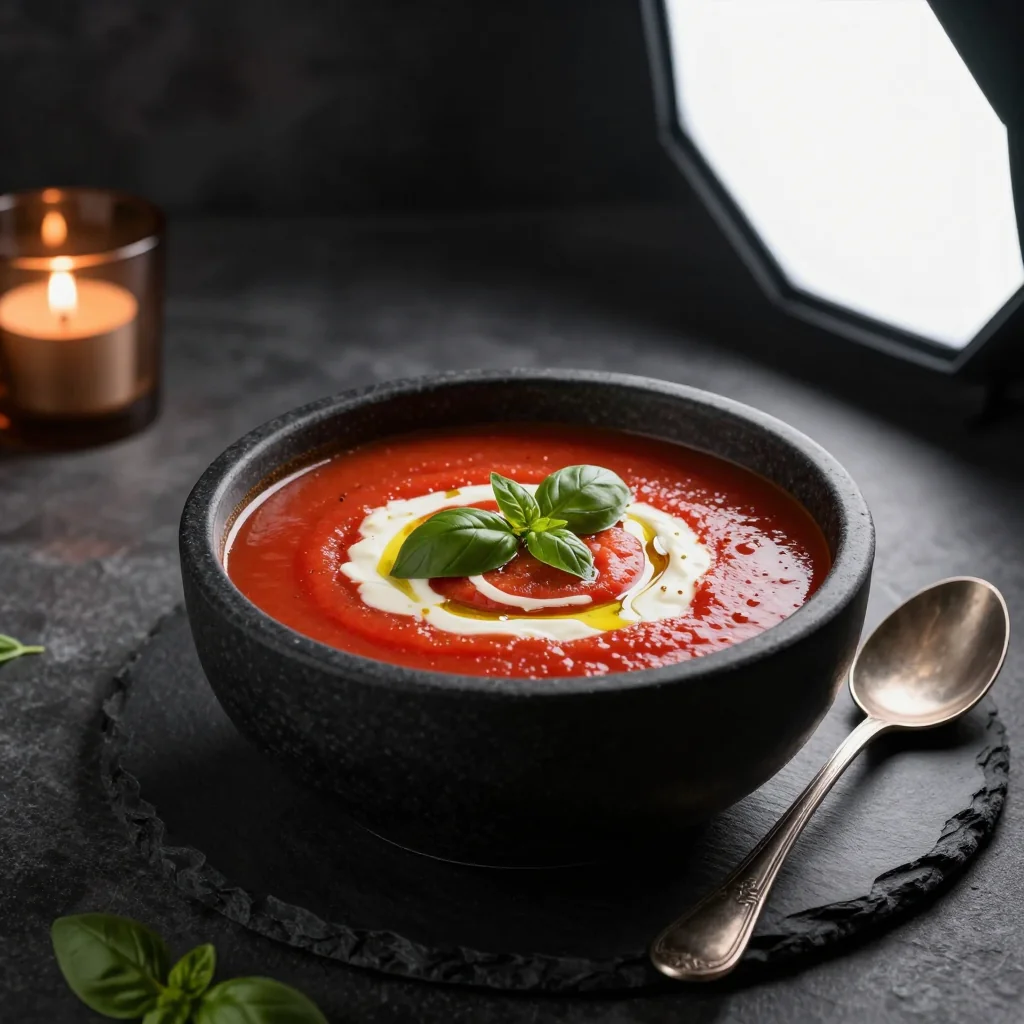
When I was ten, my grandmother would pull a battered cast‑iron pot from the stove, steam curling up like a fragrant promise. The soup she made was simple—ripe tomatoes, fresh basil, a splash of cream—but the memory of that first spoonful still lingers, warm and bright, like a sunbeam on a winter afternoon. I remember the way the kitchen smelled, the deep red of the tomatoes mixing with the emerald green of the basil, and how the first taste seemed to whisper stories of Italian gardens and seaside breezes.
Tomato basil soup has been a staple of Italian home cooking for centuries, celebrated for its ability to transform humble garden produce into a dish that feels both rustic and refined. In the southern regions of Italy, it’s often served as a primo, a starter that awakens the palate before a hearty pasta or a fresh salad. Its versatility makes it perfect for any season, whether you’re craving a light lunch on a warm summer day or a comforting bowl after a chilly autumn walk.
In this article, I’ll guide you through a step‑by‑step process that guarantees a soup that’s silky, fragrant, and perfectly balanced. You’ll learn why each ingredient matters, how to achieve that luxurious creaminess without over‑cooking, and the little tricks that turn a good soup into a great one. By the end, you’ll have a reliable recipe you can adapt to your own kitchen, impress friends, and perhaps even pass down to future generations.
So tie on your apron, preheat your imagination, and let’s dive into the world of tomato basil bliss together.
🌟 Why This Recipe Will Win Your Heart
This soup isn’t just a dish; it’s a celebration of flavor, texture, and comfort—all in one bowl.
- ✨ Unmatched Creaminess: By finishing the soup with a swirl of heavy cream and a splash of olive oil, you get a velvety mouthfeel that coats the palate without feeling heavy.
- ✨ Fresh, Seasonal Ingredients: Using ripe, vine‑grown tomatoes and fragrant basil captures the peak of summer’s sweetness, even when the soup is made in winter.
- ✨ Simple Technique, Big Impact: The recipe relies on a few key steps—roasting the tomatoes slightly, simmering gently, and pureeing—making it accessible for cooks of all skill levels.
- ✨ Nutrient‑Rich Comfort: Tomatoes bring lycopene, vitamin C, and potassium, while basil adds antioxidants and a refreshing herbal note.
- ✨ Versatile Presentation: Serve it sleek in a shallow bowl, garnish with a drizzle of cream, toasted croutons, or a sprinkle of parmesan for extra depth.
- ✨ Crowd‑Pleaser: Its balanced acidity and subtle sweetness make it a hit for both kids and adults, fitting perfectly into any dinner party or family meal.
🥗 The Ingredients
📝 Complete Ingredient List
For the Soup Base:
For the Garnish:
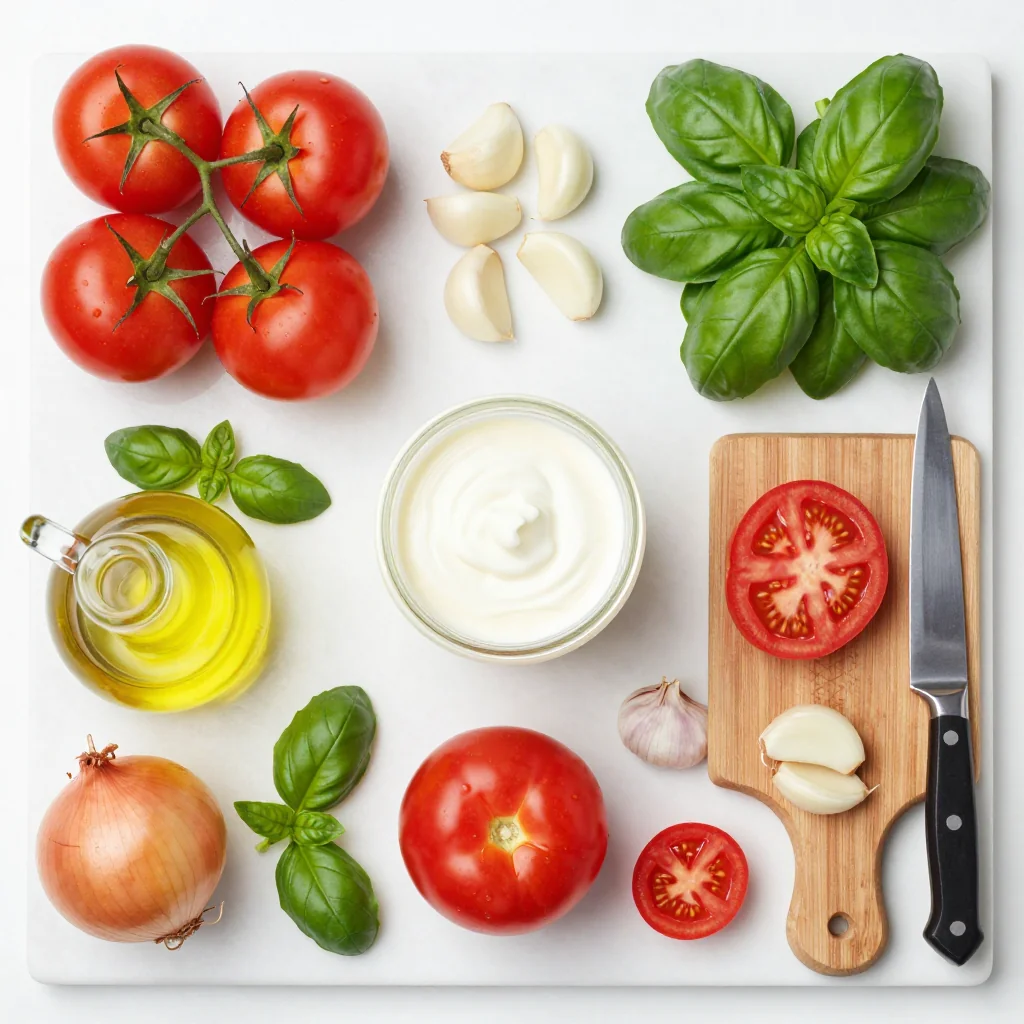
🔍 Focus on Key Ingredients
Plum Tomatoes
Plum tomatoes, also known as Roma tomatoes, have a lower water content and a higher concentration of natural sugars compared to beefsteak varieties. This makes them ideal for sauces and soups where you want a rich, thick base without excessive liquid. Look for tomatoes that are deep ruby red, slightly soft, and free of blemishes. If you can’t find plum tomatoes, a mix of cherry tomatoes and regular beefsteak tomatoes works well, though you may need to adjust the cooking time slightly.
Fresh Basil
Basil is the aromatic heart of this soup. Its sweet, peppery notes brighten the acidity of the tomatoes and add a fragrant finish. When selecting basil, choose leaves that are glossy and bright green. Avoid any that are wilting or have dark spots, as they can introduce bitterness. For maximum flavor, add most of the basil at the end of cooking, preserving its delicate oils.
Heavy Cream
Heavy cream adds the luxurious silkiness that distinguishes this soup from a simple tomato broth. It also balances the acidity of the tomatoes, creating a harmonious flavor profile. If you prefer a lighter version, you can substitute half‑and‑half or a plant‑based cream such as oat or cashew cream, but keep in mind that the texture will be slightly less velvety.
🔄 Quick Substitutions
| If you don’t have... | Use instead... |
|---|---|
| Plum tomatoes | Roma or a mix of cherry + beefsteak tomatoes |
| Heavy cream | Half‑and‑half, oat cream, or coconut cream (for dairy‑free) |
| Fresh basil | Fresh thyme or oregano (different flavor) or 1 tsp dried basil |
👨🍳 Step‑by‑Step Instructions
Follow these detailed steps to create a soup that’s both comforting and restaurant‑quality. Each phase includes sensory cues to help you know exactly when you’re on the right track.
📋 Phase 1: Preparation and Mise en Place
Gather and prep all ingredients before you start cooking.
Prepare the tomatoes
Rinse the plum tomatoes under cold water, pat dry, and cut each in half lengthwise. If any seeds appear overly watery, gently scoop them out with a spoon. This reduces excess liquid later and concentrates flavor. Set the halves aside on a parchment‑lined tray, skin side up.
Dice the onion and mince the garlic
Finely dice the yellow onion so it melts quickly, and mince the garlic cloves to release their aromatic oils. Place both in a bowl with a pinch of salt; the salt helps draw out moisture, making the onion softer during sautéing.
🔥 Phase 2: Cooking and Blending
Transform the raw ingredients into a harmonious, creamy soup.
Sauté aromatics
Heat the olive oil in a large, heavy‑bottomed pot over medium heat. Add the diced onion and sauté for 4‑5 minutes, stirring occasionally, until it becomes translucent and starts to turn golden at the edges. Add the minced garlic and cook for another 30 seconds—watch closely so it doesn’t burn.
Incorporate tomatoes and broth
Stir the tomato halves into the pot, allowing them to release their juices. Cook for 5 minutes, breaking them gently with the back of a spoon. Pour in the vegetable broth, increase the heat to bring the mixture to a gentle boil, then reduce to a simmer.
Simmer and season
Let the soup simmer uncovered for 20 minutes. The tomatoes will soften, and the flavors will meld. Add a pinch of sea salt and freshly ground black pepper. Taste and adjust seasoning as needed; the soup should taste slightly sweeter than tangy.
Blend to perfection
Remove the pot from heat. Using an immersion blender, purée the soup directly in the pot until completely smooth. If you prefer an ultra‑silky texture, blend in batches using a countertop blender, returning the puree to the pot afterward.
✨ Phase 3: Finishing Touches and Serving
Bring the soup to its final, luscious form and plate beautifully.
Stir in cream and basil
Return the pot to low heat. Slowly pour in the heavy cream while stirring continuously, creating a glossy swirl. Add the torn basil leaves, reserving a few for garnish. Allow the soup to warm for another 2‑3 minutes; do not let it boil after the cream is added.
Check for readiness
Taste the soup once more. The texture should coat the back of a spoon, and the flavor should be a balanced dance of sweet tomato, herbaceous basil, and buttery cream. Adjust salt or pepper if necessary.
Plate and garnish
Using a ladle, pour the soup into warmed bowls. Drizzle a thin line of extra‑virgin olive oil across the surface, sprinkle grated parmesan, and scatter the remaining basil leaves. Add croutons for crunch if desired.
Serve immediately
Serve the soup hot, paired with a crusty baguette or a simple mixed green salad. Encourage diners to stir the garnish into the soup for an extra burst of flavor.
💡 Expert Tips and Tricks
🛒 Choosing the Best Ingredients
Always opt for tomatoes that feel heavy for their size; they contain more juice and flavor. If possible, source heirloom varieties for a nuanced taste profile. For basil, the smaller “Genovese” type offers a sweeter aroma, while larger leaf varieties can be more robust. Fresh, high‑quality olive oil also makes a difference—choose cold‑pressed, extra‑virgin oil for the best flavor.
🔪 Preparation Techniques
When dicing the onion, keep the root end intact until the very end; this helps retain the layers and reduces tearing. Mince garlic just before adding it to the pan to preserve its pungency. If you have a food processor, pulse the tomatoes briefly before adding them to the pot for an even texture.
🌡️ Mastering the Cooking Process
Maintain a gentle simmer rather than a vigorous boil; this prevents the tomatoes from breaking down too quickly and becoming watery. Use a heavy‑bottomed pot to distribute heat evenly, avoiding hot spots that could scorch the base. Adding the cream off the heat prevents curdling and preserves its smoothness.
🍽️ Presentation and Service
Serve the soup in shallow, wide bowls to showcase the garnish and allow diners to swirl the broth. A drizzle of olive oil not only adds shine but also a subtle peppery note. Finish with a sprinkle of flaky sea salt for texture and a final burst of flavor.
🏆 Pro Tips
Professional chefs rely on precision, timing, and subtle enhancements to elevate a classic soup.
- 🎯 Roast the tomatoes first: Roasting at 200°C caramelizes the natural sugars, adding a deep umami layer that raw tomatoes can’t achieve. This step also reduces the water content, resulting in a thicker base.
- 🎯 Use a silicone immersion blender: Silicone blades are gentler on the pot and produce a smoother puree without over‑aerating the soup, which can cause it to become frothy.
- 🎯 Finish with a beurre blanc: Whisk in a tablespoon of cold butter at the very end; it creates a glossy sheen and adds a velvety mouthfeel that rivals restaurant soups.
- 🎯 Balance acidity with a touch of sugar: If the tomatoes are particularly acidic, add a half‑teaspoon of granulated sugar to round out the flavor without making the soup sweet.
- 🎯 Strain for extra smoothness: For an ultra‑silky texture, pass the blended soup through a fine‑mesh sieve, pressing with the back of a spoon to extract every drop.
- 🎯 Serve at the right temperature: Aim for 60‑65°C (140‑149°F) when plating. This is hot enough to be comforting but not so hot that it dulls the fresh basil aroma.
"A great soup is a symphony of flavors, each note heard clearly yet blended into harmony." — Massimo Bottura
🔄 Variations and Adaptations
The beauty of this recipe lies in its flexibility. Below are several ways to tailor it to dietary preferences, flavor cravings, and seasonal twists.
🥬 Vegetarian / Vegan Version
Swap the heavy cream for a plant‑based alternative such as oat cream, cashew cream, or coconut cream (use the latter for a subtle tropical hint). Ensure the vegetable broth is free from animal products. The result remains rich and creamy while staying fully plant‑based.
- Use 120 ml oat cream for a neutral flavor that mimics dairy cream.
- Replace Parmesan garnish with toasted nutritional yeast for a cheesy note.
🌶️ Flavor Variations
Play with additional herbs, spices, or regional influences to create new taste experiences.
Spicy Version
Introduce a pinch of red‑pepper flakes or a dash of cayenne during the sauté stage. Finish with a swirl of chili‑infused olive oil for a lingering heat.
Mediterranean Version
Add a teaspoon of dried oregano and a splash of lemon juice just before serving. Top with crumbled feta and toasted pine nuts for a Mediterranean flair.
Asian‑Inspired Version
Replace basil with Thai basil, add a tablespoon of fish sauce, and finish with a drizzle of sesame oil. Garnish with sliced green onions and a sprinkle of toasted sesame seeds.
⚠️ Dietary Adaptations
Gluten‑Free
All ingredients are naturally gluten‑free. Ensure the vegetable broth you use does not contain hidden wheat derivatives.
Lactose‑Free
Swap heavy cream for lactose‑free cream or a blend of coconut milk and a splash of almond milk. The flavor will shift slightly, but the creamy texture remains.
Low‑Calorie
Reduce the cream to 60 ml and add an extra 100 ml of low‑fat milk. Increase the amount of tomatoes by 200 g to keep the volume high while cutting calories.
👶 Family / Kids Version
Kids often prefer milder flavors. Omit the pepper and reduce the amount of basil to a sprinkle. Blend in a small carrot for natural sweetness, and serve with fun-shaped croutons.
📦 Storage and Reheating
🧊 Conservation
Refrigerator:
- Duration: 3–4 days
- Recommended container: airtight glass jar or BPA‑free plastic container
- Tip: Place a thin layer of olive oil on the surface to prevent a skin from forming.
Freezer:
- Duration: Up to 3 months
- Method: Cool the soup completely, then portion into freezer‑safe bags, removing excess air.
- Defrosting: Transfer to the refrigerator overnight, then reheat gently on the stove.
💡 For best texture after freezing, stir in a splash of fresh cream while reheating.
♨️ Reheating
🔥 Oven (Recommended):
- Preheat to 160°C (320°F).
- Transfer soup to an oven‑safe dish, cover with foil.
- Heat for 15‑20 minutes, stirring halfway.
- Remove foil, stir in a splash of cream, and heat for another 5 minutes.
⚡ Microwave (Quick):
- Place soup in a microwave‑safe bowl, cover loosely.
- Heat on medium power for 2 minutes, stir.
- Continue heating in 30‑second intervals, stirring each time, until hot.
🍳 Stovetop:
Warm over low to medium heat, stirring constantly. Add a little broth or water if the soup thickens too much.
🍷 Perfect Pairings
🥗 Side Dishes
- Garlic‑Roasted Ciabatta: Crunchy bread perfect for soaking up the creamy broth.
- Arugula Salad with Lemon Vinaigrette: The peppery arugula balances the soup’s richness.
- Grilled Zucchini Ribbons: Lightly charred vegetables add texture and freshness.
🍷 Wine / Beverage Pairings
- Pinot Grigio: Its crisp acidity cuts through the cream, highlighting the tomato’s sweetness.
- Chianti Classico: A medium‑bodied red with subtle tannins that complement the basil.
- Non‑Alcoholic: Sparkling water with a slice of lemon or a chilled hibiscus iced tea.
🍰 Complementary Courses
Begin with a light antipasto platter—marinated olives, sun‑dried tomatoes, and thinly sliced prosciutto. Follow the soup with a simple lemon sorbet to cleanse the palate, then finish with a classic tiramisu for a sweet, coffee‑kissed finale.
❓ Frequently Asked Questions
Q: Can I use canned tomatoes instead of fresh?
Yes, high‑quality canned San Marzano tomatoes work well, especially when fresh tomatoes are out of season. Use a 28‑ounce (800 g) can, drain lightly, and add a teaspoon of tomato paste for extra depth. Adjust salt, as canned tomatoes can be saltier.
Q: How do I avoid a grainy texture when adding cream?
Always add the cream off the heat and stir gently. If the soup is too hot, the fat can separate, creating a grainy feel. Lower the temperature to a gentle simmer before incorporating the cream, and never let the mixture return to a boil afterward.
Q: What if I don’t have an immersion blender?
A countertop blender works perfectly—just blend in batches, allowing steam to escape by venting the lid slightly. Return the puree to the pot and re‑heat gently. For a rustic texture, you can also use a potato masher, though the soup will be less smooth.
Q: My soup turned out too acidic. How can I fix it?
Add a small amount (½ teaspoon) of granulated sugar or a drizzle of honey to balance acidity. You can also blend in a splash of carrot juice or a few cooked carrots, which naturally sweeten the broth without adding overt sweetness.
Q: Can I make this soup ahead of time for a dinner party?
Absolutely. Prepare the soup up to the blending stage, then refrigerate. Reheat gently, add the cream and basil just before serving, and garnish fresh. This method actually allows the flavors to meld even more.
Q: How do I adjust the recipe for more or fewer servings?
Use the portion adjuster on the recipe card (see below). The built‑in script will automatically recalculate ingredient quantities based on the number of servings you select, keeping the flavor balance consistent.
🎉 To Your Kitchen!
Tomato Basil Soup Creamy Homemade is more than a recipe; it’s an invitation to celebrate the simple joys of fresh produce, thoughtful technique, and comforting warmth. Whether you’re feeding a family, impressing guests, or simply craving a bowl of sunshine on a rainy day, this soup delivers depth, elegance, and a touch of nostalgia in every spoonful. Remember the balance of acidity, creaminess, and herbaceous freshness, and you’ll create a dish that feels both familiar and extraordinary.
If you try this recipe, share your photos, notes, and any creative twists you made. Your feedback helps the community grow, and I love hearing how you make the dish your own. Leave a comment below, rate the recipe, and let’s keep the conversation simmering!
Have you tried this recipe?
Leave a comment and rating below! Share your photos on Instagram with #TomatoBasilBliss for a chance to be featured.
Tomato Basil Soup Creamy Homemade
A velvety, aromatic soup that turns fresh tomatoes into a silky masterpiece.
📝 Ingredients
Soup Base
Garnish
👨🍳 Instructions
- 1
Rinse and halve the plum tomatoes; set aside.
- 2
Dice onion and mince garlic; keep together.
- 3
Heat olive oil in a large pot over medium heat, sauté onion until translucent (4‑5 min), then add garlic for 30 seconds.
- 4
Add tomato halves, cook 5 min, then pour in vegetable broth and bring to a gentle boil.
- 5
Simmer uncovered for 20 min, seasoning with salt and pepper.
- 6
Blend the soup until smooth using an immersion blender.
- 7
Return to low heat, stir in heavy cream and torn basil; heat 2‑3 min.
- 8
Check seasoning, adjust if needed.
- 9
Ladle into bowls, garnish with basil, parmesan, croutons, and a drizzle of olive oil.
- 10
Serve hot with crusty bread or a light salad.
🥗 Nutritional Information (per serving)
*Nutritional values are estimates based on standard ingredients.
📚 You Might Also Like
Roasted Red Pepper Soup
Hearty Minestrone
Creamy Mushroom Soup







💬 Comments & Reviews
Leave a Comment
No comments yet. Be the first to share your thoughts!