Love this? Pin it for later! 📌
There's something magical about transforming humble vegetables into a silky, luxurious soup that nourishes both body and soul. This creamy roasted cabbage and carrot soup has become my sanctuary on those evenings when I need a reset—whether it's after a weekend of indulgent dining, during a gentle cleanse, or simply when my body craves something wholesome yet satisfying.
I first created this recipe during a particularly harsh winter when my immune system needed a boost and my taste buds were tired of the same old chicken soup routine. The combination of roasted cabbage and carrots might sound unassuming, but let me tell you—the roasting process unlocks an incredible depth of flavor that transforms these everyday vegetables into something extraordinary. The natural sweetness of carrots caramelizes beautifully while the cabbage develops these gorgeous golden edges that add a subtle nuttiness to the final soup.
What I love most about this recipe is its versatility. It's light enough for a detox-friendly dinner yet substantial enough to satisfy on a cold evening. The creamy texture comes from blending the roasted vegetables with a touch of coconut milk, making it naturally dairy-free and vegan-friendly. Plus, it's packed with vitamins A and C, fiber, and antioxidants that support your body's natural detoxification processes.
Why This Recipe Works
- Roasting intensifies flavors: The high-heat roasting caramelizes the natural sugars in carrots and cabbage, creating complex, restaurant-quality depth without any fancy ingredients.
- Detox-friendly ingredients: Cabbage contains glucosinolates that support liver detoxification, while carrots provide beta-carotene for immune support.
- Creamy without dairy: Light coconut milk creates a luxurious texture while keeping this soup vegan and easy to digest.
- One-pan simplicity: Everything roasts together on a single sheet pan, minimizing cleanup and maximizing flavor development.
- Meal prep hero: This soup tastes even better the next day and freezes beautifully for up to 3 months.
- Budget-friendly nutrition: Made with affordable, accessible vegetables that deliver maximum nutrition per dollar spent.
Ingredients You'll Need
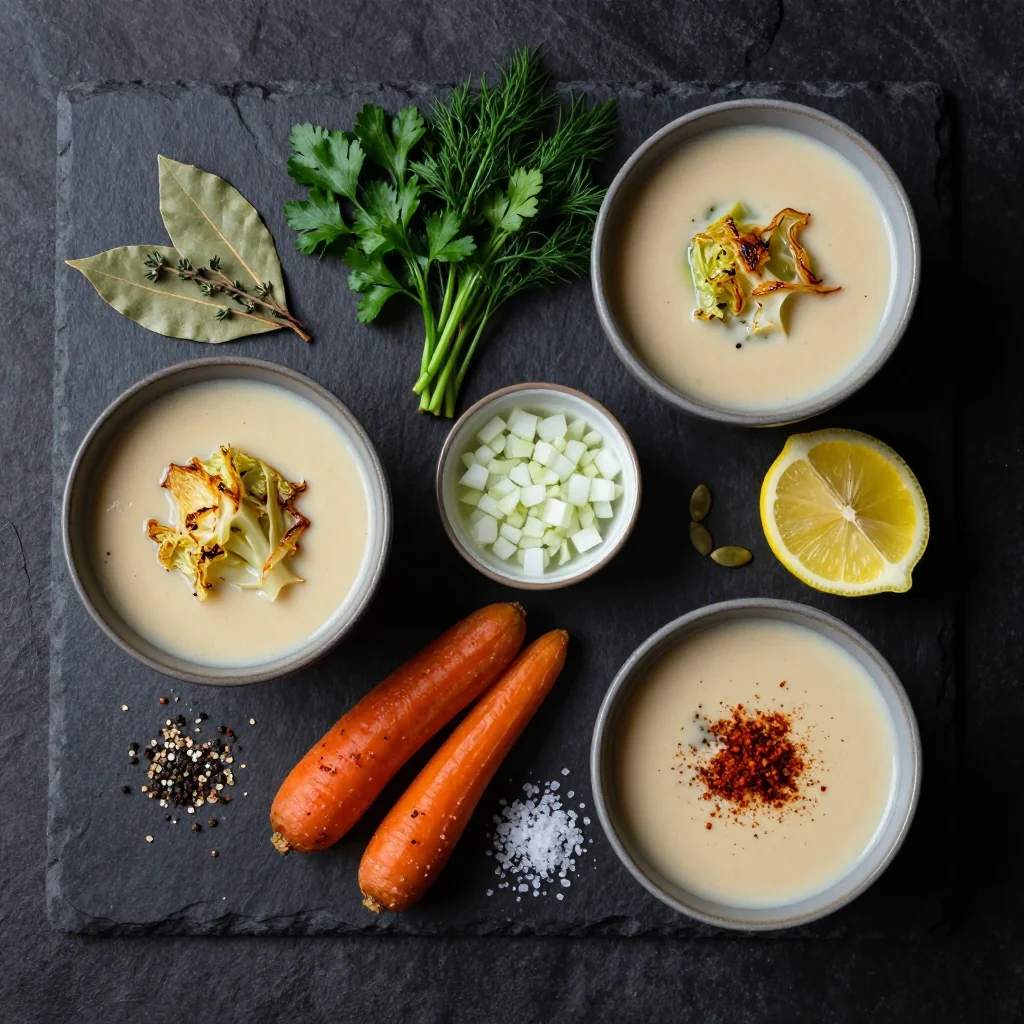
This soup celebrates the beauty of simple, wholesome ingredients. Each component plays a crucial role in building layers of flavor while supporting your body's natural detoxification processes. Here's what you'll need and why each ingredient matters:
The Vegetable Stars
Green Cabbage (1 medium head, about 2 pounds): The foundation of this soup, cabbage becomes incredibly sweet and tender when roasted. Look for heads that feel heavy for their size with crisp, tightly packed leaves. Savoy cabbage works beautifully too, with its crinkled leaves creating even more surface area for caramelization. If you can only find large cabbages, don't worry—leftover cabbage keeps well wrapped in the refrigerator and is fantastic sautéed as a side dish or added to stir-fries.
Carrots (1 pound): Choose fresh, firm carrots with vibrant orange color. I prefer using whole carrots rather than pre-cut baby carrots for better flavor and texture. The natural sweetness intensifies during roasting, balancing the earthiness of the cabbage. If your carrots come with tops, remove them before storing as they draw moisture from the roots. Organic carrots are worth the splurge here since you'll be eating the skin.
Aromatics and Seasonings
Yellow Onion (1 large): Adds savory depth and natural sweetness when roasted. Yellow onions are perfect here because they become mellow and sweet, but white or sweet onions work too. Cut them into thick wedges so they don't burn during the high-heat roasting.
Garlic (6 cloves): Roasted garlic transforms into sweet, caramelized gems that add incredible depth. Don't be intimidated by the amount—roasting tames garlic's bite while preserving its essential flavor. Fresh garlic is crucial here; the pre-minced jarred variety won't deliver the same results.
Fresh Ginger (1-inch piece): Adds warming spice and aids digestion. The fresh, zesty flavor brightens the soup and complements the sweetness of the roasted vegetables. Choose ginger that's firm and smooth, avoiding any that feel soft or wrinkled. If you don't have fresh ginger, ½ teaspoon of ground ginger can substitute in a pinch.
Liquid and Creaminess
Vegetable Broth (4 cups): Forms the soup base. Use low-sodium broth so you can control the salt level. Homemade vegetable broth elevates this soup to restaurant quality, but a good quality store-bought version works well. If you're not strictly vegan, chicken broth adds another layer of flavor.
Light Coconut Milk (1 can): Creates the signature creaminess without dairy. Light coconut milk adds just enough richness without overwhelming the vegetable flavors. Full-fat coconut milk works too if you prefer a richer soup. If coconut isn't your thing, unsweetened almond milk or cashew cream are excellent alternatives.
Finishing Touches
Lemon Juice (2 tablespoons): Fresh lemon juice brightens all the flavors and adds a pop of acidity that makes the soup taste fresh and vibrant. Add it at the end of cooking to preserve its bright flavor. Lime juice works as a substitute and adds a different but equally delicious dimension.
Fresh Herbs: A handful of fresh parsley or cilantro adds color and freshness. Thyme or rosemary would complement the roasted flavors beautifully too. Dried herbs work in a pinch—use about ⅓ of the amount called for fresh.
Olive Oil: Good quality extra-virgin olive oil for roasting and finishing. The oil helps vegetables caramelize and adds healthy fats that aid in nutrient absorption.
How to Make Creamy Roasted Cabbage and Carrot Soup for Detox and Light Dinners
Preheat and Prepare
Position a rack in the center of your oven and preheat to 425°F (220°C). This high temperature is crucial for achieving proper caramelization on your vegetables. Line a large rimmed baking sheet with parchment paper for easy cleanup. If you don't have parchment, lightly oil the pan to prevent sticking. The high heat will transform your vegetables, creating those beautiful golden-brown edges that add incredible depth of flavor to your finished soup.
Prep the Vegetables
Remove the outer leaves from your cabbage and cut it into 8 wedges, keeping the core intact to hold the wedges together during roasting. Slice carrots diagonally into 2-inch pieces—this increases surface area for better caramelization. Cut the onion into thick wedges, about 6-8 pieces. Smash the garlic cloves with the flat side of your knife to release their oils. The key here is uniform sizing so everything cooks evenly. Don't worry about perfect knife skills; rustic cuts work beautifully in this soup.
Season and Arrange
In a large bowl, toss all your prepared vegetables with 3 tablespoons olive oil, 1 teaspoon salt, and ½ teaspoon freshly ground black pepper. Add 1 teaspoon of ground turmeric for extra anti-inflammatory benefits and a gorgeous golden color. Arrange vegetables in a single layer on your prepared baking sheet, ensuring pieces aren't touching—this allows hot air to circulate and promotes browning. Tuck the smashed garlic cloves between the vegetables so they roast gently without burning.
Roast to Perfection
Slide the baking sheet into your preheated oven and roast for 35-40 minutes, flipping the vegetables halfway through. You're looking for deeply caramelized edges and tender centers. The cabbage should have golden-brown crispy edges, while the carrots should be fork-tender with caramelized spots. Don't rush this step—the Maillard reaction happening here creates hundreds of flavor compounds that make this soup extraordinary. If your vegetables aren't browning after 25 minutes, move the rack closer to the heating element or switch to convection mode.
Sauté Aromatics
While vegetables roast, heat 1 tablespoon olive oil in a large Dutch oven or heavy-bottomed pot over medium heat. Add 1 diced onion and cook until translucent, about 5 minutes. Grate in your ginger and cook for another minute until fragrant. This creates a flavor base for your soup. If you have any vegetable trimmings, add them now for extra flavor. The key is keeping the heat moderate—you want the aromatics to soften and release their flavors, not brown or burn.
Deglaze and Simmer
Add 4 cups vegetable broth to the pot, scraping up any flavorful bits from the bottom. Add your roasted vegetables, including those precious caramelized garlic cloves. The broth will immediately take on a beautiful golden hue from the roasted vegetables. Bring to a gentle simmer and cook for 10 minutes to meld flavors. This step allows the roasted flavors to infuse the broth while softening any vegetables that need a bit more time.
Blend Until Silky
Remove from heat and blend until completely smooth using an immersion blender directly in the pot. If using a countertop blender, work in batches and hold the lid down with a kitchen towel to prevent hot soup from splattering. Blend for at least 2 minutes to achieve a restaurant-quality silky texture. The soup should be completely smooth with no visible vegetable pieces. If it's too thick, add more broth; if too thin, simmer uncovered to reduce.
Finish with Creaminess
Return the blended soup to low heat and stir in 1 cup light coconut milk. Heat gently—do not boil—to prevent the coconut milk from separating. Add 2 tablespoons fresh lemon juice, taste, and adjust seasoning with salt and pepper. The lemon juice is crucial; it brightens all the flavors and adds a fresh note that prevents the soup from tasting heavy. For extra richness, swirl in an additional 2 tablespoons coconut milk when serving.
Garnish and Serve
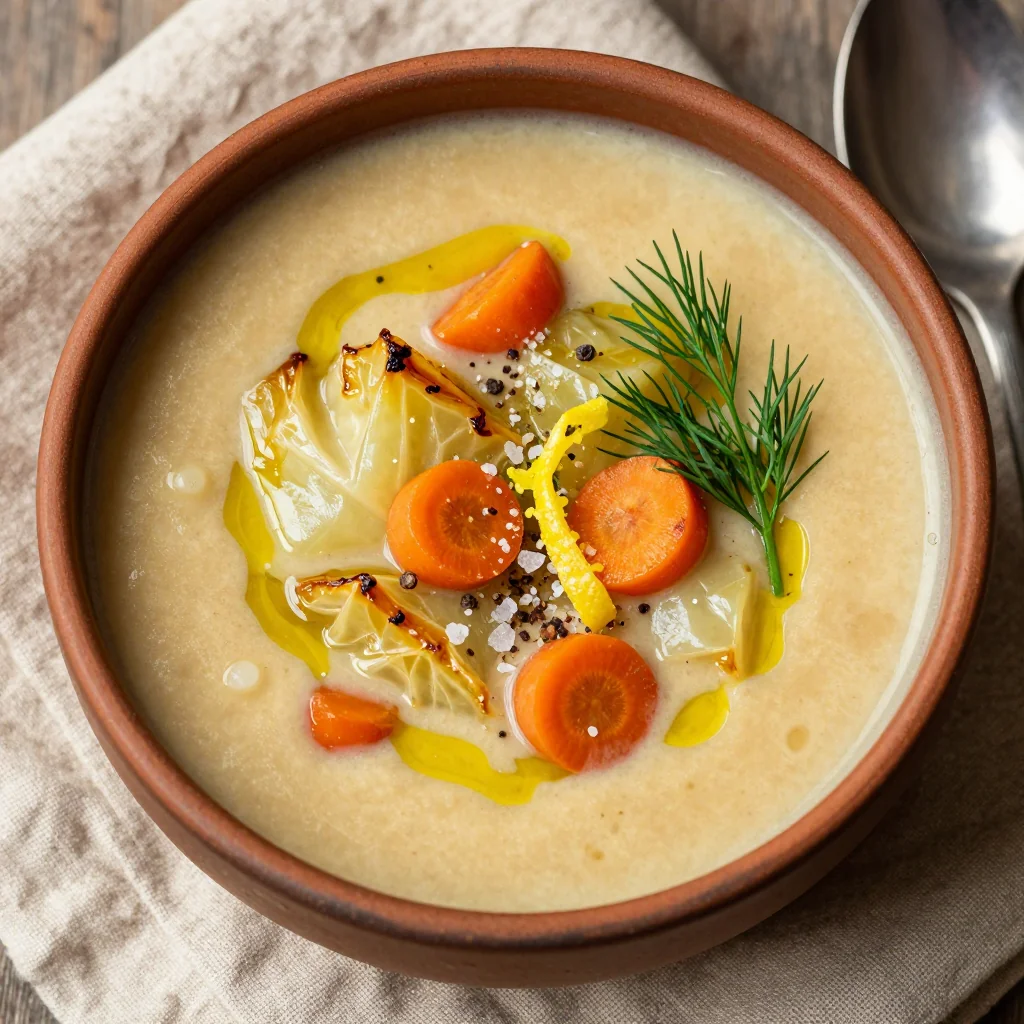
Ladle into warm bowls and garnish with a drizzle of good olive oil, a sprinkle of fresh herbs, and maybe some toasted pumpkin seeds for crunch. The soup should be thick enough to coat the back of a spoon but still pourable. Serve with crusty whole-grain bread for a heartier meal, or enjoy it as is for a light, detox-friendly dinner. Leftovers keep beautifully and the flavors actually improve overnight as the ingredients meld together.
Expert Tips
Maximize Caramelization
Don't overcrowd your baking sheet—use two if necessary. Proper spacing allows hot air to circulate and creates those coveted golden-brown edges that add incredible depth of flavor.
Roast Extra Vegetables
Roast additional vegetables to use throughout the week. They make fantastic additions to salads, grain bowls, or as a simple side dish tossed with herbs and olive oil.
Speed Up Weeknight Prep
Roast vegetables on Sunday meal prep day. Store them refrigerated and you can have this soup ready in just 15 minutes on busy weeknights—perfect for healthy eating made simple.
Texture Troubleshooting
If your soup separates after adding coconut milk, simply blend it again briefly. The emulsification will restore its silky texture. Always add acidic ingredients like lemon juice after removing from heat.
Enhance the Sweetness
Add a diced apple or pear to the roasting pan for natural sweetness. This is especially nice if your carrots aren't particularly sweet. The fruit will melt into the soup and add another layer of complexity.
Color Considerations
For the most vibrant color, add a handful of fresh spinach or kale during the final blending. This boosts nutrition and creates a gorgeous emerald hue that makes the soup visually stunning.
Variations to Try
Spiced Moroccan Version
Add 1 teaspoon each of cumin, coriander, and smoked paprika to the vegetables before roasting. Finish with harissa paste and serve with preserved lemon. The warming spices complement the sweet vegetables beautifully while adding anti-inflammatory benefits.
Pro tip: Toast whole spices in a dry pan before grinding for maximum flavor impact.
Asian-Inspired Twist
Replace olive oil with sesame oil, add miso paste to the broth, and finish with rice vinegar and sesame seeds. Garnish with scallions and nori strips. This version adds umami depth while maintaining the detox benefits.
Pro tip: Add a piece of kombu to the broth while simmering for extra minerals and umami flavor.
Protein-Powered
Add a can of drained white beans during blending for extra protein and creaminess. This transforms the soup into a complete meal while keeping it plant-based. Great for active days when you need more sustenance.
Pro tip: White beans blend more smoothly than chickpeas and won't affect the color of your soup.
Roasted Root Vegetable Medley
Substitute half the carrots with parsnips, turnips, or sweet potatoes for different flavor profiles. Each root vegetable brings unique nutrients and flavors while maintaining the soup's creamy texture and detox benefits.
Pro tip: Golden beets add beautiful color and natural sweetness without overpowering the other vegetables.
Storage Tips
Refrigerator Storage
Store cooled soup in airtight containers in the refrigerator for up to 5 days. The flavors actually improve after 24 hours as the ingredients meld together. For best results, store the coconut milk separately and add when reheating to maintain the smoothest texture.
Reheating: Warm gently over medium-low heat, stirring occasionally. Avoid boiling to prevent the coconut milk from separating. Add a splash of broth if the soup has thickened too much.
Freezer-Friendly
This soup freezes beautifully for up to 3 months. Cool completely, then portion into freezer-safe containers or bags. Leave 1 inch of headspace for expansion. Freeze without the coconut milk, adding it when reheating for best texture.
Thawing: Refrigerate overnight or use the defrost setting on your microwave. Reheat gently on the stovetop, whisking in coconut milk until smooth and heated through.
Make-Ahead Meal Prep
Roast vegetables up to 3 days ahead and store refrigerated. You can also make the entire soup ahead and simply reheat. For meal prep, portion into individual containers for grab-and-go lunches throughout the week.
Fresh additions: Add a squeeze of fresh lemon juice and a sprinkle of herbs just before serving to brighten flavors that may have mellowed during storage.
Frequently Asked Questions
Absolutely! Purple cabbage works beautifully and actually contains more antioxidants than green cabbage. However, be aware that it will turn your soup a purple-gray color that might not be as visually appealing. The flavor will be identical, so if presentation isn't a concern, purple cabbage is an excellent choice. For the best of both worlds, use half green and half purple cabbage.
Bitterness usually results from overcooked cabbage or burnt vegetables during roasting. Make sure your oven temperature is accurate and avoid over-roasting. If your soup is already bitter, try adding a diced apple while simmering, then blend it in. The natural sweetness should balance the bitterness. A teaspoon of honey or maple syrup can also help, as can extra lemon juice or coconut milk.
While you can finish the soup in a slow cooker, I don't recommend skipping the roasting step as it's essential for developing the complex flavors. Roast the vegetables as directed, then transfer to a slow cooker with the broth and cook on low for 6-8 hours or high for 3-4 hours. Blend with an immersion blender and stir in coconut milk before serving. The result won't be quite as flavorful as oven-roasted, but it's a decent shortcut for busy days.
This soup can be modified for a low-FODMAP diet. Replace the onion with green onion tops only, use garlic-infused oil instead of fresh garlic, and limit portion size to ¾ cup per serving. Cabbage is low-FODMAP in servings of ¾ cup, and carrots are naturally low-FODMAP. The coconut milk should be limited to ½ cup total for the recipe. Always consult with a dietitian for personalized advice.
This soup pairs beautifully with a crisp green salad dressed with lemon vinaigrette, whole grain crackers or crusty bread, or a protein-rich side like roasted chickpeas. For a heartier meal, serve over cooked quinoa or brown rice. A side of fermented vegetables like sauerkraut or kimchi complements the detox theme while adding beneficial probiotics. For breakfast, leftover soup with a poached egg on top is surprisingly delicious!
Absolutely! The coconut milk adds creaminess but isn't essential for flavor. Substitute with 1 cup of unsweetened almond milk, cashew cream, or even Greek yogurt for a protein boost. For a lighter option, simply use additional vegetable broth. If avoiding coconut due to allergies, try blending in ½ cup of soaked cashews with ½ cup of the broth until smooth, then stir into the soup for creaminess without coconut flavor.
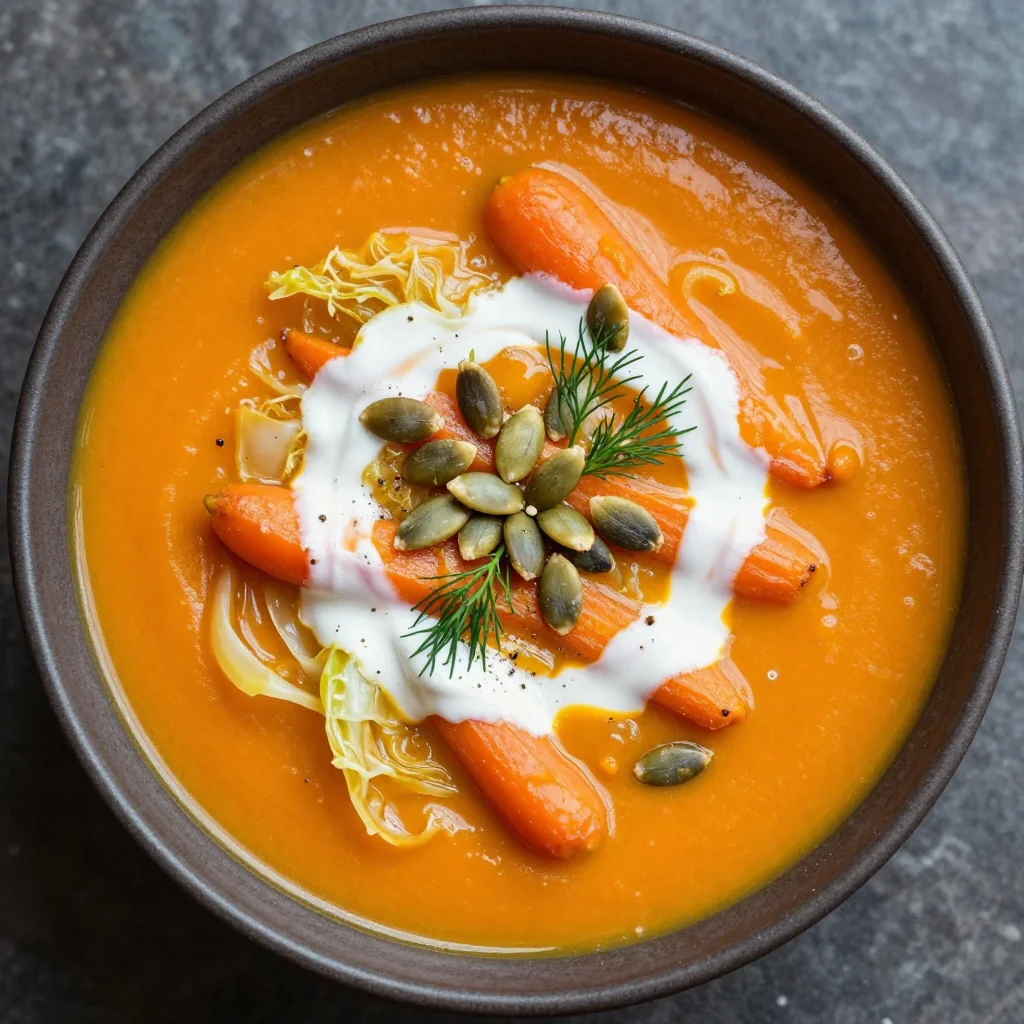
Creamy Roasted Cabbage and Carrot Soup for Detox and Light Dinners
Ingredients
Instructions
- Preheat oven: Position rack in center and preheat to 425°F (220°C). Line a large rimmed baking sheet with parchment paper.
- Roast vegetables: In a large bowl, toss cabbage, carrots, onion, and garlic with 2 tablespoons olive oil, salt, pepper, and turmeric. Arrange in single layer on prepared baking sheet. Roast 35-40 minutes until vegetables are caramelized and tender.
- Sauté aromatics: Heat remaining 1 tablespoon olive oil in a large pot over medium heat. Add diced onion and cook until translucent, 5 minutes. Stir in ginger and cook 1 minute more.
- Simmer soup: Add vegetable broth and roasted vegetables to the pot. Bring to a simmer and cook 10 minutes to meld flavors.
- Blend until smooth: Remove from heat and blend until completely smooth using an immersion blender or in batches with a countertop blender.
- Finish and serve: Return to low heat and stir in coconut milk. Heat gently without boiling. Stir in lemon juice, taste, and adjust seasoning. Serve hot garnished with fresh herbs.
Recipe Notes
For extra protein, add a can of drained white beans during blending. Soup thickens as it sits; thin with additional broth when reheating. Freeze without coconut milk for best texture, adding it when reheating.