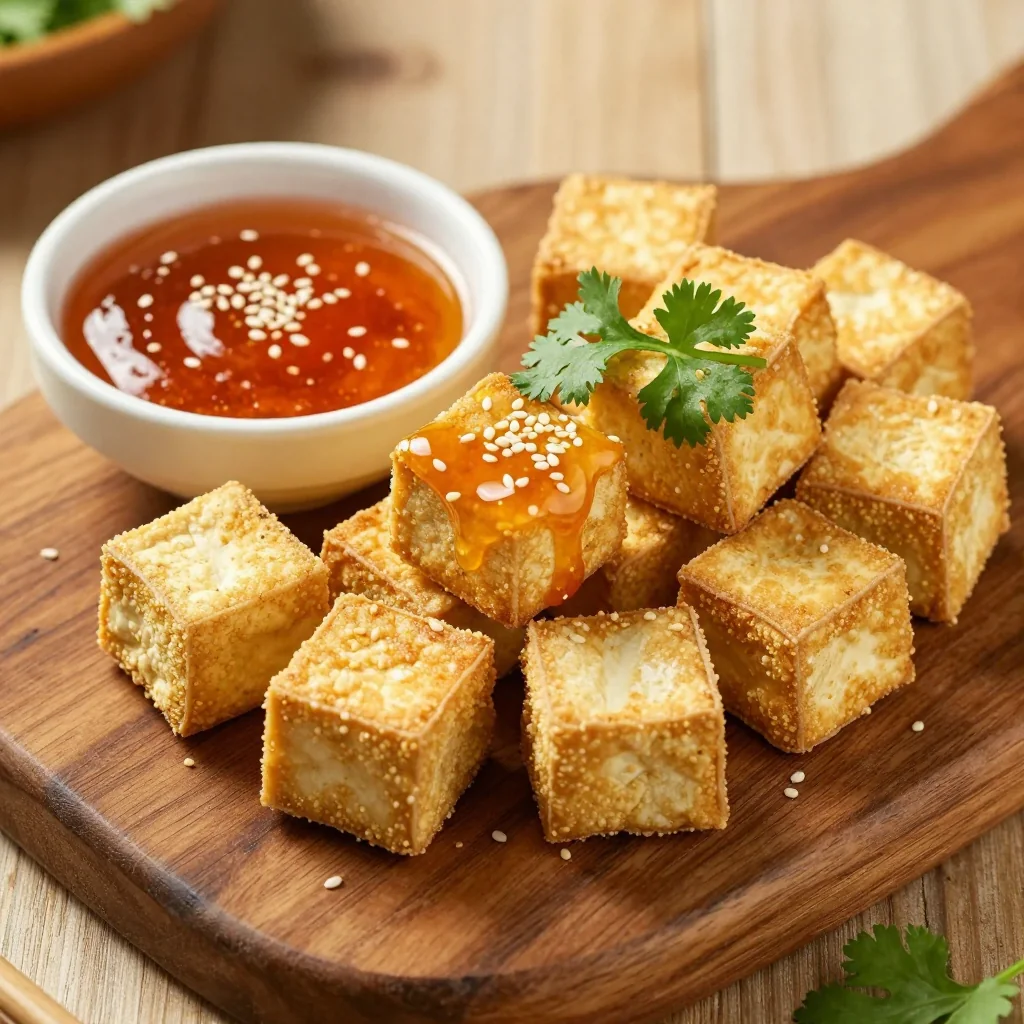
I still remember the day I nearly threw a perfectly good persimmon across my kitchen. There I stood, staring at this orange globe of potential, completely stumped by how to make it shine in a salad. Every recipe I'd tried tasted like sweet mush mixed with sadness, and I was ready to admit defeat. But something about the way afternoon light hit that persimmon made me pause — what if everyone else was doing this wrong? Three hours and a mountain of dirty dishes later, I cracked the code. The result was this spinach and persimmon salad that made my notoriously salad-hating neighbor beg for the recipe after one bite.
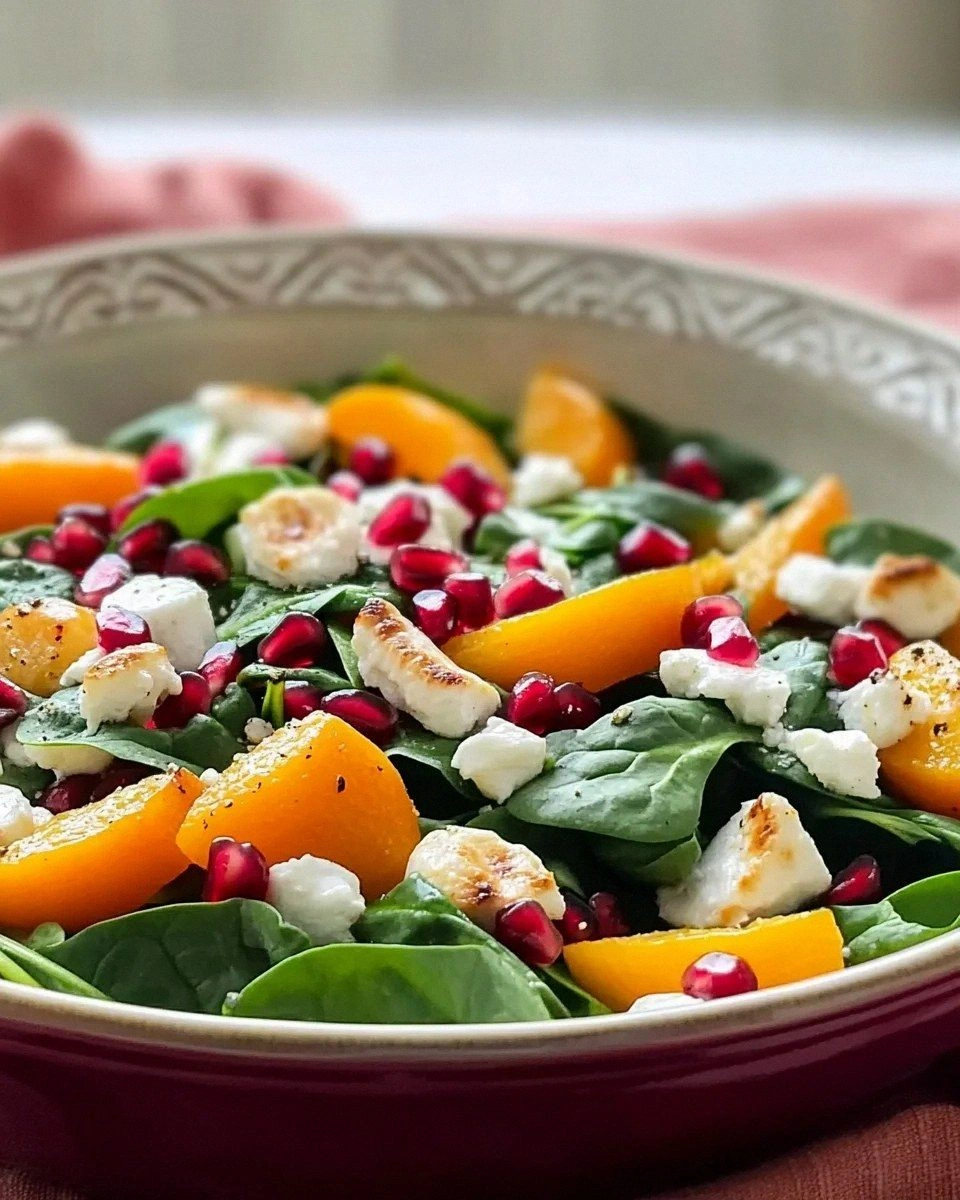
Picture this: tender baby spinach leaves that actually stay crisp under the weight of creamy goat cheese, punctuated by jewel-like pomegranate seeds that burst between your teeth like tiny flavor bombs. Then there's the persimmon — oh, the persimmon — sliced paper-thin so it melts on your tongue instead of turning your salad into baby food. The dressing? A honey-balsamic vinaigrette that ties everything together like the world's most delicious bow on a present you give to yourself. I dare you to taste this and not go back for seconds; I've watched grown adults fight over the last forkful like it was the final slice of pizza at 2 AM.
Here's the thing that drives me absolutely bonkers about most persimmon salad recipes: they treat this glorious fruit like an afterthought, tossing in chunks that either taste like nothing or completely overpower everything else. Most recipes get this completely wrong. They forget that persimmons have personality — fuyu varieties bring honey-cinnamon notes while hachiya varieties (when properly ripe) taste like sunshine captured in fruit form. This recipe respects that personality, coaxing out the best of what persimmons can be while letting every other ingredient sing in harmony. Future pacing moment: imagine yourself pulling this together, the colors so vibrant they look photoshopped, the aroma of fresh citrus and tangy cheese making your kitchen smell like a fancy bistro.
Stay with me here — this is worth it. I'm about to show you how to handle persimmons so they behave themselves, how to balance the tang of goat cheese with the sweetness of fruit, and how to make a dressing that'll have you licking the bowl when nobody's watching. By the time we're done, you'll wonder how you ever made salad any other way. Let me walk you through every single step — by the end, you'll wonder how you ever made it any other way.
What Makes This Version Stand Out
This isn't just another fruit-and-cheese salad masquerading as something special. This is the salad that converted my steak-and-potatoes father into someone who requests "that green stuff with the orange things" at family dinners. What makes it stand out? Let me count the ways.
- Texture Symphony: The contrast between silky persimmon slices, crunchy pomegranate seeds, creamy goat cheese, and crisp spinach creates a party in your mouth that keeps every bite interesting. Most salads are one-note texture disasters — this one keeps you guessing.
- Flavor Balance: Sweet persimmons meet tangy goat cheese, while pomegranate adds tart pops and the dressing brings everything into perfect harmony. It's like a flavor seesaw that never tips too far in any direction.
- Visual Drama: The colors look like autumn decided to throw a party on your plate. Deep green spinach, sunset-orange persimmon, ruby pomegranate seeds, and white goat cheese create a salad so beautiful it feels almost criminal to eat it. Almost.
- Make-Ahead Magic: You can prep every component hours ahead, then assemble in minutes when guests arrive. The spinach stays crisp, the persimmons don't brown, and you look like a kitchen wizard.
- Seasonal Flexibility: While persimmons peak in fall, this recipe works year-round by swapping in the best seasonal fruit. I've made it with peaches in summer and citrus segments in winter — the technique stays the same, the magic remains.
- Zero Cooking Required: No oven, no stove, no problem. This entire recipe comes together with nothing more than a good knife and a willingness to get a little messy with pomegranate seeds.
- Crowd Psychology: I've served this to toddlers who supposedly hate vegetables, teenagers who live on junk food, and grandparents who think salad is rabbit food. They've all cleaned their plates and asked for more.
Alright, let's break down exactly what goes into this masterpiece...
Inside the Ingredient List
Every ingredient in this salad pulls its weight like a well-trained orchestra — miss one, and the whole symphony falls apart. But don't worry, I'm going to show you exactly what each component does and how to pick the best of the bunch.
The Green Foundation
Baby spinach forms the backbone of this salad, but not all spinach is created equal. Those plastic clamshells of pre-washed baby spinach? They're your friend here, but only if you check the expiration date like a hawk hunting prey. Fresh spinach should smell like a spring morning, not like the bottom of your crisper drawer. The leaves should be perky, not limp like they've given up on life. If you can only find mature spinach, no worries — just remove those tough stems that taste like you're chewing on a houseplant.
Here's what nobody tells you about spinach: it needs to be bone-dry for this salad to work. Even a drop of water on those leaves will make your dressing slide off like a kid on a waterslide, leaving you with naked greens and a puddle of dressing at the bottom of your bowl. I wash mine the night before and store it wrapped in paper towels in a zip-top bag with a few air holes punched in it. The result? Spinach so crisp it practically snaps when you bite it.
The Orange Star
Persimmons are the divas of the fruit world — when they're good, they're transcendent, but when they're wrong, they're worse than a flat soda. Fuyu persimmons are your best bet here because they stay firm and sweet even when ripe. They look like tiny orange tomatoes and taste like honey mixed with cinnamon and a whisper of pumpkin. Hachiya persimmons work too, but only when they're so soft they feel like water balloons ready to burst. Pick the wrong one and your salad tastes like bitter chalk mixed with disappointment.
The secret to persimmon success? A sharp knife and confidence. Slice them paper-thin, and they'll melt on your tongue like fruit butter. Cut them thick, and you'll be chewing like a cow with cud. I like to slice mine into translucent rounds that you can almost see through — they look like stained glass windows in a tiny fruit cathedral. If your persimmons are still a bit firm, pop them in a paper bag with an apple for a day or two. The apple releases ethylene gas that coaxes the persimmon into sweetness without turning it to mush.
The Creamy Dream
Goat cheese in salad is like that friend who shows up to every party and somehow makes it better just by being there. But here's where most recipes mess up — they use cold goat cheese straight from the fridge, which crumbles into sad little nuggets that taste like nothing. Room temperature goat cheese is the game-changer. Let it sit out for 30 minutes before you crumble it, and suddenly those creamy pockets of tang actually taste like something. They'll coat your tongue with bright, lemony flavor that makes the persimmons taste sweeter by comparison.
Don't go for the pre-crumbled stuff in plastic tubs. That cheese has been coated with anti-caking agents that make it taste like sawdust mixed with sadness. Buy a log of fresh goat cheese and crumble it yourself with clean fingers. The pieces should be irregular — some small crumbles, some bigger chunks — so every bite is a surprise. If goat cheese isn't your thing (though I challenge you to try this version before writing it off), use fresh ricotta or even burrata torn into creamy pieces.
The Jewel Box
Pomegranate seeds are like nature's caviar — they pop between your teeth releasing tart juice that makes your whole mouth wake up and pay attention. But extracting them is where most people lose their minds and half the seeds to sticky countertops. Here's what actually works: cut the pomegranate in half, hold it cut-side down over a bowl of water, and whack the back with a wooden spoon. The seeds sink, the white membrane floats, and you maintain your sanity. It's like magic, except magic that actually works.
Fresh pomegranates appear in stores from October through January, but those plastic containers of seeds work in a pinch. Just check the expiration date — old pomegranate seeds taste like wine that's gone to vinegar. Each seed should be a tiny ruby, plump and ready to burst. If they're brown or shriveled like tiny old men, skip them. Your salad deserves better than that.
The Dressing Dynasty
The dressing is where this whole operation comes together or falls apart like a house of cards in a hurricane. Too much acid and your persimmons taste like they've been pickled by a maniac. Too much oil and everything feels like it's been slimed by a snail. The ratio that works every time: three parts oil to one part acid, plus a whisper of honey to tie into the persimmons' natural sweetness. I use good olive oil — the kind that tastes like grass and pepper, not like the bottom of a fast-food fryer.
Balsamic vinegar brings depth, but use the cheap stuff and your dressing tastes like candy mixed with regret. A good balsamic should coat your spoon like chocolate syrup, not run like water. If all you have is the grocery store variety, reduce it by half in a small pan until it thickens and concentrates. The result tastes like balsamic that's been to finishing school — refined, complex, and ready to elevate everything it touches.
Everything's prepped? Good. Let's get into the real action...
The Method — Step by Step
- Prep Your Spinach Like a Pro: Start with dry spinach — I mean Sahara Desert dry. If you just washed it, spin it in a salad spinner until no more water flies off, then spread it on a clean kitchen towel and roll it up like a burrito. Let it sit for 10 minutes while the towel wicks away every last drop of moisture. Unroll and transfer to a large bowl, the biggest one you own. This salad needs room to party, and a cramped bowl leads to sad, wilted greens that taste like they've given up on life. The spinach should look perky and bright, like it just woke up from a refreshing nap.
- Master the Persimmon Slices: Here's where sharp knives meet destiny. Cut off the leafy top of your persimmon, then slice it in half from pole to pole. Lay each half cut-side down and slice crosswise into paper-thin rounds, as thin as you can manage without losing fingers. You're aiming for translucent slices that bend like silk scarves in the breeze. If your persimmon is perfectly ripe, these slices will be sweet enough to eat like candy. Taste one — if it makes you close your eyes and sigh, you've got the right fruit. Arrange these slices artfully on a plate; we're building to something beautiful here.
- Extract Pomegranate Seeds Without Losing Your Mind: Fill a large bowl with cold water. Cut your pomegranate in half around the equator, not from top to bottom. Hold one half cut-side down over the water and whack the back firmly with a wooden spoon. The seeds rain down like ruby confetti while the white membrane floats to the top for easy removal. It's oddly satisfying, like popping bubble wrap but you get something delicious at the end. Fish out the membrane pieces, then drain the seeds in a fine-mesh strainer. They should glisten like tiny gemstones, each one ready to burst with tart juice.
- Crumble the Goat Cheese with Confidence: Take your goat cheese out of the fridge 30 minutes before you need it — this is non-negotiable. Cold goat cheese crumbles into sad little pebbles that taste like nothing. Room temperature goat cheese transforms into creamy clouds of tangy perfection. Using clean fingers, break the cheese into irregular pieces — some the size of peas, some as big as marbles. The variation ensures every bite is a surprise. If the cheese starts sticking to your hands, dip your fingers in cold water and shake off the excess. You'll look like you know what you're doing, which is half the battle in cooking.
- Build the Dressing That Changes Everything: In a small jar with a tight-fitting lid, combine 3 tablespoons good olive oil, 1 tablespoon balsamic vinegar, 1 teaspoon honey, and a pinch each of salt and pepper. The honey is your secret weapon — it helps the dressing cling to the spinach leaves and echoes the sweetness in the persimmons. Screw on the lid and shake it like you're trying to wake up a teenager. The dressing should emulsify into a glossy mixture that coats the back of a spoon. Taste it — it should make your tongue dance with balanced flavors, not pucker like you just bit into a lemon. Adjust with more honey if it's too tart, more vinegar if it's too flat.
- Assemble with Style and Substance: Here's where the magic happens. Add half the dressing to your bowl of spinach and toss gently with your hands. Yes, your hands — they're your best tool here. The spinach should glisten like it just came back from a spa treatment, not drown in dressing. Add the persimmon slices, half the pomegranate seeds, and half the goat cheese. Toss again, just enough to distribute everything. The persimmon slices should stay intact, not break into mush. Top with the remaining pomegranate seeds and goat cheese arranged artfully on top. This isn't just about looks — the toppings on top ensure everyone gets some of everything when you serve.
- The Final Flourish: Drizzle the remaining dressing around the edge of the bowl, not over the top. This prevents the goat cheese from getting slimy and keeps the pomegranate seeds sparkling like jewels. Finish with a crack of fresh black pepper — not too much, just enough to make people wonder what that intriguing background note is. Serve immediately, or cover with plastic wrap pressed directly against the surface and refrigerate for up to 2 hours. Any longer and the spinach starts to wilt like it's been stood up on a date. When you bring this to the table, prepare for jaws to drop and phones to come out for photos.
That's it — you did it. But hold on, I've got a few more tricks that'll take this to another level...
Insider Tricks for Flawless Results
The Temperature Rule Nobody Follows
Room temperature ingredients aren't just a suggestion — they're the difference between a good salad and a life-changing one. Cold goat cheese tastes like cardboard, cold olive oil becomes thick and gloopy, and cold persimmons lose their floral aroma. Take everything out of the fridge 30 minutes before you start, except the spinach. The spinach stays cold and crisp, creating a beautiful temperature contrast that makes each bite more interesting. I learned this the hard way when I served this salad to my future in-laws with fridge-cold goat cheese that crumbled like old plaster. The silence at the table was deafening.
Why Your Nose Knows Best
Before you add anything to your salad, smell it. The persimmon should smell like honey and autumn leaves. The spinach should smell green and alive, not like the inside of a refrigerator. The goat cheese should smell tangy and fresh, not like ammonia. Your nose is your most underused kitchen tool — it can tell you if ingredients are past their prime before your taste buds have to suffer. I once ignored my nose and used pomegranate seeds that smelled slightly off. The resulting salad tasted like disappointment mixed with regret, and three people politely declined seconds. Trust your schnoz, it knows things.
The 5-Minute Rest That Changes Everything
After you dress the spinach, let it sit for exactly 5 minutes before adding the other ingredients. This short rest allows the dressing to penetrate the leaves slightly, seasoning them from within without making them wilt. It's like a quick marinade that transforms raw spinach into something that tastes intentionally seasoned rather than just coated. Set a timer — too short and the flavor doesn't penetrate, too long and you have soggy greens that taste like they've been sitting in a sauna. This is the difference between restaurant-quality salads and the sad stuff most people serve at home.
The Salt Timing Secret
Salt your dressing, not your greens. Salt draws moisture out of vegetables through osmosis — it's science doing its thing whether you want it to or not. Salt the spinach directly and within minutes you have a puddle at the bottom of your bowl and sad, wilted leaves. Instead, add salt to your dressing where it dissolves and distributes evenly. The result is seasoned flavor without the textural tragedy. I learned this from a chef friend who watched me ruin three batches of salad before gently taking the salt away from me like I was a toddler with a permanent marker.
The Presentation Power Move
Save some of the prettiest ingredients for the top. Those perfect persimmon rounds, the plumpest pomegranate seeds, the creamiest goat cheese pieces — hold them back and place them on top just before serving. It takes an extra 30 seconds but makes your salad look like it belongs on a magazine cover. People eat with their eyes first, and when your salad looks like art, they assume it tastes like it too. My dinner guests always think I spent hours fussing when really I just arranged a few pieces strategically while they weren't looking.
Creative Twists and Variations
This recipe is a playground. Here are some of my favorite ways to switch things up:
The Mediterranean Vacation
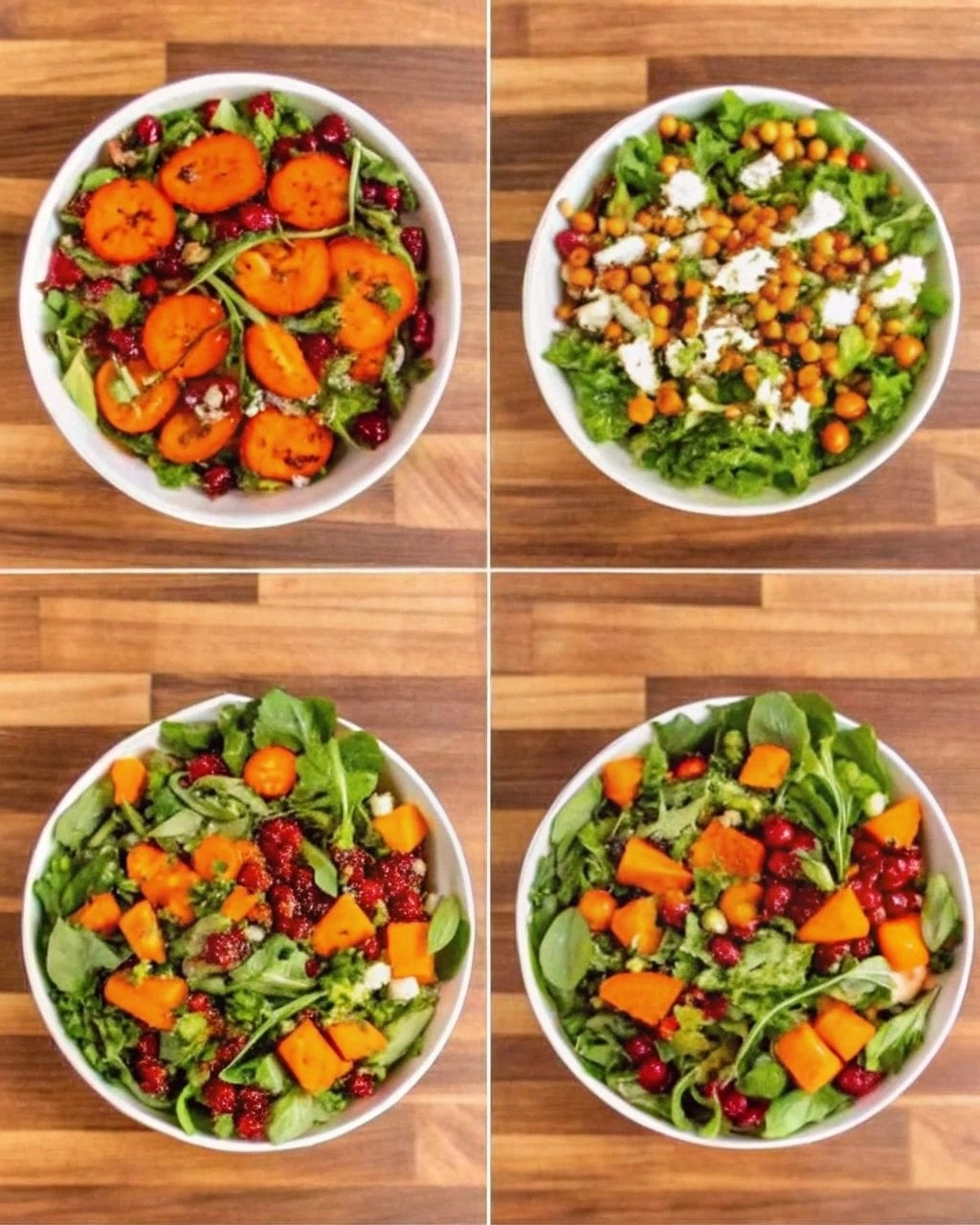
Swap the goat cheese for fresh ricotta seasoned with lemon zest and herbs. Replace balsamic with red wine vinegar and add torn basil leaves and toasted pine nuts. The result tastes like summer in Greece, even in the dead of winter. The ricotta becomes creamy clouds that gently coat everything, while the basil adds perfume and the pine nuts bring buttery crunch. I make this version when I want to transport myself to a sun-drenched terrace overlooking the sea, even if I'm actually eating lunch at my desk between meetings.
The Winter Comfort Version
Add roasted butternut squash cubes and toasted pecans, swap spinach for kale massaged with olive oil, and use maple syrup instead of honey in the dressing. This hearty version stands up to cold weather and pairs beautifully with roasted meats. The squash brings caramelized sweetness that plays off the persimmons, while the pecans add rich, toasty notes. Massaging the kale breaks down its tough fibers, turning it into tender ribbons that don't fight back when you chew. It's like winter comfort food that happens to be good for you.
The Tropical Escape
Replace persimmons with ripe mango, use macadamia nuts instead of pomegranate seeds, and swap goat cheese for fresh mozzarella. The dressing gets lime juice instead of balsamic and a splash of coconut oil. Close your eyes while eating this and you can practically hear steel drums. The mango brings tropical sweetness that makes everything feel like vacation, while macadamia nuts add buttery crunch that makes you wonder why you ever ate anything else. This version is my go-to when January blues hit hard and I need edible sunshine.
The Protein Powerhouse
Add grilled chicken or shrimp, swap goat cheese for feta, and throw in some chickpeas for extra staying power. This becomes a complete meal that keeps you full for hours without feeling heavy. The feta brings saltiness that plays beautifully with sweet persimmons, while the protein transforms this from side dish to main event. I grill extra chicken on Sundays just so I can throw this together for lunches all week. It holds up beautifully in the fridge, making meal prep feel like a treat instead of a punishment.
The Holiday Showstopper
Add candied walnuts, use blood orange segments instead of pomegranate, and crumble blue cheese instead of goat cheese. Serve it in a giant bowl as part of your holiday spread and watch people ignore the ham in favor of vegetables. The candied walnuts bring sweet crunch that feels festive, while blood oranges add ruby color that looks like Christmas decorations. Blue cheese brings bold flavor that stands up to rich holiday foods without getting lost. This is the salad that makes people ask for the recipe while they're still chewing.
The Kid-Friendly Remix
Replace goat cheese with mild feta or even mild cheddar cubes, swap pomegranate for dried cranberries, and cut everything into bite-sized pieces. The dressing gets a touch more honey to appeal to young palates. Suddenly your kids are asking for seconds of salad instead of cookies. The key is making everything small enough to fit on a kid-sized fork and sweet enough to compete with the fruit snacks they're always asking for. I call this "rainbow salad" and let my nephew help assemble it — he's more likely to eat what he helped make, and I'm more likely to get him to consume something green that isn't artificially colored.
Storing and Bringing It Back to Life
Fridge Storage
Store components separately in airtight containers for up to 3 days. Keep spinach wrapped in paper towels inside a zip-top bag with a few air holes — it stays crisp and fresh instead of turning into green slime. Persimmon slices go in a single layer on a plate covered with plastic wrap; they won't brown but they will lose texture if piled up. Pomegranate seeds stay in their own container, ready to scatter like edible confetti. The dressing keeps for a week in a jar — just shake it like you're trying to win a dance competition before using. Never store fully assembled salad unless you enjoy eating soggy greens that taste like they've been through a blender.
Freezer Friendly
Surprise — you can freeze pomegranate seeds! Spread them in a single layer on a baking sheet, freeze until solid, then transfer to a freezer bag. They keep for 3 months and actually work better in salads when partially frozen, adding an icy pop that's incredibly refreshing. The dressing freezes in ice cube trays for up to 2 months; just thaw what you need. Persimmons don't freeze well for salad use — they become mushy and lose their magic. Spinach is a definite no for freezing; it emerges like green tissue paper that even the best dressing can't save. But those frozen pomegranate seeds? They're like little fruity ice cubes that make summer salads feel positively decadent.
Best Reheating Method
Okay, you can't reheat salad — that's just sad warm lettuce. But you can refresh it! Add a splash of fresh dressing and toss with new spinach to revive leftovers. The persimmon slices that have been sitting will have absorbed some dressing, concentrating their flavor. Add fresh pomegranate seeds for pop and maybe some new goat cheese if the original has disappeared. If the spinach is beyond saving, turn it into a grain bowl with warm quinoa — the wilting becomes intentional instead of tragic. I've transformed day-old salad into lunch by stuffing it into a wrap with hummus, turning potential food waste into something I actually look forward to eating.