I was standing in my tiny apartment kitchen, a half‑empty bottle of gin on the counter, and a bowl of classic deviled eggs staring back at me like a bland old friend. My roommate had dared me to bring something “extra” to the Friday night game party, and I was like, “Challenge accepted, but I’m also going to make you wish you’d dared me sooner.” I cracked a dozen eggs, whisked a splash of vermouth, and poured a splash of olive brine into the mix, and the whole place filled with a scent that was half martini bar, half brunch table. The moment the yolk mixture hit the spoon, I could hear it whisper, “We’re about to become the life of the party.”
Picture this: the glossy green of the olive brine glistening in the light, the faint perfume of gin and dry vermouth dancing around the kitchen, and the gentle clink of a spoon against a glass bowl as you fold in the mayo. The sound of the eggs boiling is like a tiny orchestra warming up—soft bubbles, a gentle hiss, and then the sudden pop when you lift them out. When you cut the eggs in half, the yolk centers gleam like tiny golden moons, waiting to be smothered in that silky, boozy filling. I dared you to taste this and not go back for seconds, because once you’ve had that first bite, the rest of the night will feel like a celebration in a glass.
Most deviled egg recipes get the texture wrong, ending up either too dry or embarrassingly runny, and they never bring the party vibe that a good cocktail does. This version stands out because it marries the classic creamy richness of a deviled egg with the sophisticated bite of a dirty martini—think of it as a tuxedo‑clad egg that knows how to cut a rug on the dance floor. I’ll be honest — I ate half the batch before anyone else got to try it, and that was the only mistake I made. The secret? A splash of gin (or vodka if you’re feeling adventurous) and a whisper of olive brine that turns every bite into a mini‑martini experience.
Okay, ready for the game‑changer? I’m going to walk you through every single step—from picking the perfect eggs to plating them with a garnish that screams “party starter.” By the end, you’ll wonder how you ever served plain deviled eggs again. This next part? Pure magic.
What Makes This Version Stand Out
- Bold Flavor Fusion: The gin and vermouth give the filling a subtle botanical kick that pairs perfectly with the creamy mayo, making each bite feel like a sip of a classic cocktail.
- Silky Texture: By carefully balancing the yolk‑to‑mayo ratio and adding a dash of olive brine, the mixture stays luxuriously smooth without turning soggy.
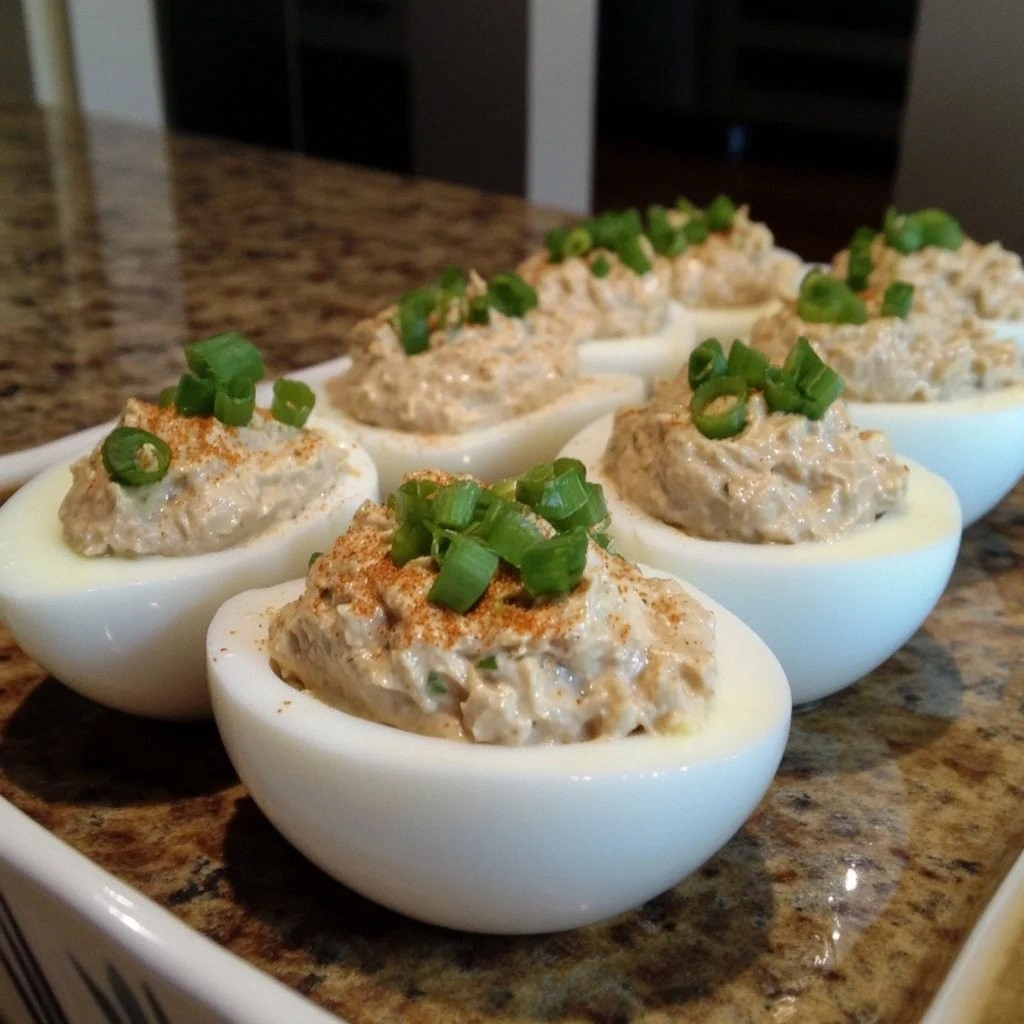
- Visual Appeal: The green specks of chopped olives and a final dusting of paprika create a striking contrast that looks as good as it tastes.
- Easy Prep: No fancy equipment needed—just a pot, a whisk, and a spoon. You can have the entire batch ready in under an hour.
- Party‑Ready Portioning: Each egg half is a perfect bite‑size serving, making it effortless to pass around a crowded party table.
- Make‑Ahead Friendly: The filling holds its shape for up to 24 hours in the fridge, so you can prep the night before and focus on the fun later.
- Customizable Spirit: Swap gin for vodka for a cleaner profile, or even try a flavored gin to add a new dimension to the taste.
- Elevated Crowd Reaction: Guests will gasp, grin, and ask for the recipe, turning a simple appetizer into the highlight of the evening.
Inside the Ingredient List
The Flavor Base
Large eggs are the foundation of any deviled egg, and using farm‑fresh, high‑quality eggs ensures the yolks are bright and buttery. When you slice them in half, the whites should be firm enough to hold the filling without wobbling. If you skip the freshness, you’ll end up with a rubbery texture that no amount of garnish can fix.
Mayonnaise provides the creamy backbone, binding the yolks and spirits together into a silky mousse. I love using a full‑fat mayo because it holds the flavor without becoming watery. If you’re watching calories, Greek yogurt is a worthy stand‑in, but expect a slightly tangier profile.
Gin (or vodka) is the star of the “dirty” part of this martini twist. Gin’s botanicals—juniper, coriander, citrus—infuse the yolk mixture with a subtle herbaceous note, while vodka offers a cleaner, more neutral canvas that lets the olive brine shine. Choose a mid‑price gin you enjoy sipping; you’ll taste the difference.
The Texture Crew
Dry vermouth adds depth, a whisper of sweetness, and a hint of herbal complexity that rounds out the spirit’s bite. A splash is enough; think of it as the secret sauce that turns a good dish into a great one.
Olive brine is the defining element that makes this a “dirty” martini. It brings a salty, umami punch that cuts through the richness of the mayo and yolk. If you use a high‑quality brine from a jar of Castelvetrano olives, the flavor will be smoother and less harsh.
Garlic powder, kosher salt, and freshly ground black pepper are the classic seasoning trio. A pinch of garlic powder adds depth without overpowering, while kosher salt brings the right level of seasoning and the pepper adds a gentle heat. Adjust the pepper to taste if you like a little extra kick.
The Unexpected Star
Chopped green olives give the dish its signature briny crunch and a pop of color that makes each bite visually exciting. If you prefer a milder flavor, black olives work just as well, but the green ones keep the martini vibe alive.
Chopped parsley adds a fresh, herbaceous finish that brightens the richness of the filling. It’s the garnish that says “I put thought into this.” A sprinkle of dill can be swapped in for a slightly more anise‑y note.
Paprika or chili flakes are optional but highly recommended for a final dusting. Paprika brings a smoky sweetness, while chili flakes add a subtle heat that makes the palate dance.
Everything's prepped? Good. Let’s get into the real action…

The Method — Step by Step
Start by placing the large eggs in a single layer in a saucepan and covering them with cold water by an inch. Bring the water to a rolling boil over medium‑high heat, then cover the pot, turn off the heat, and let the eggs sit for exactly 10 minutes. This “off‑heat” method gives you perfectly set whites and creamy yolks without a green ring. After the timer, plunge the eggs into an ice bath for 5 minutes; the sudden chill stops cooking and makes peeling a breeze.
While the eggs are cooling, whisk together the mayonnaise, gin, and dry vermouth in a medium bowl. The mixture should look glossy and start to thicken as you whisk—this is the moment where the spirits start to meld with the mayo, creating that cocktail‑like sheen. Add the olive brine, garlic powder, kosher salt, and freshly ground black pepper, then whisk again until everything is fully incorporated. Taste the mixture; it should be creamy with a faint salty tang and a whisper of botanical notes.
- Kitchen Hack: For a smoother filling, push the yolks through a fine‑mesh sieve before mixing; this eliminates any lumps and gives a velvety texture.
Peel the cooled eggs and slice them lengthwise, removing the yolks carefully and placing them in a bowl. Rinse the empty whites under cold water to remove any stray shell fragments, then pat them dry with a paper towel. Arrange the whites on a serving platter, keeping the halves slightly spaced so the filling won’t spill over.
Mash the yolks with a fork until they’re crumbly, then add the yolk‑to‑mayo mixture you prepared earlier. Fold the two together gently, being careful not to over‑mix; you want the mixture to stay airy, not dense. If the filling feels too thick, drizzle in an extra teaspoon of olive brine or a splash of gin—this will loosen it without compromising flavor.
- Watch Out: Over‑salting at this stage can make the final egg too briny; remember the olive brine already adds salt, so taste before adding more.
Transfer the filling to a piping bag fitted with a large star tip, or simply use a spoon if you’re feeling rustic. Pipe a generous mound into each egg white cavity, letting the filling spill slightly over the edges for that “just‑right” look.
Now for the garnish: sprinkle each filled egg with chopped green olives, a dusting of paprika (or chili flakes for heat), and a light scatter of chopped parsley. The green olives add a briny crunch, while the paprika gives a pop of color that makes the dish photogenic.
- Kitchen Hack: Chill the assembled deviled eggs for at least 20 minutes before serving; the flavors meld and the filling firms up, making them easier to transport.
Cover the platter loosely with plastic wrap and refrigerate. While they chill, you can prep a simple cocktail to match—perhaps a classic dirty martini or a gin fizz—to keep the theme cohesive.
When it’s time to serve, give the platter a final flourish with an extra sprinkle of parsley for freshness. Bring the tray to the party table, watch the eyes light up, and listen for the delighted “Mmm!” that follows the first bite. That’s the sound of success, and I dare you to keep a straight face while everyone asks for the recipe.
That’s it — you did it. But hold on, I’ve got a few more tricks that’ll take this to another level…
Insider Tricks for Flawless Results
The Temperature Rule Nobody Follows
Never fill the eggs while the yolk mixture is still warm; it will melt the mayo and turn the filling soupy. Let the mixture rest at room temperature for at least 10 minutes after mixing, then chill it briefly. This small pause locks in the creamy texture and prevents a runny center.
Why Your Nose Knows Best
Before you add the final pinch of salt, give the filling a quick sniff. The aroma of gin and olive brine will tell you if the seasoning is balanced. If you detect a sharp bite, add a tiny drizzle of extra mayo to mellow it out.
The 5‑Minute Rest That Changes Everything
After piping the filling, let the eggs sit uncovered for five minutes. This allows the surface of the filling to set slightly, creating a subtle crust that adds a pleasant textural contrast when you bite in.
Olive Brine Quality Matters
A cheap, overly salty brine will dominate the flavor; instead, opt for a brine from premium Castelvetrano or Kalamata olives. If you’re in a pinch, dilute a strong brine with a splash of water to keep the salt level in check.
The Secret of the Perfect Garnish
When sprinkling paprika, hold the shaker close to the egg and use a gentle flicking motion. This prevents clumps and ensures an even, pretty dusting that looks professional. A light hand also means the paprika doesn’t overpower the subtle gin notes.
Creative Twists and Variations
This recipe is a playground. Here are some of my favorite ways to switch things up:
Smoky Bacon Martini
Crumble crispy bacon into the filling and replace the parsley with chives. The smoky, salty bacon amplifies the martini’s depth, making it a hit for meat‑loving crowds.
Citrus‑Infused Gin
Add a teaspoon of freshly grated lemon zest to the mayo mixture and use a citrus‑forward gin. The bright zing cuts through the richness and adds a sunny note perfect for summer gatherings.
Spicy Sriracha Martini
Stir in a half‑teaspoon of sriracha and swap the paprika for a pinch of smoked chipotle powder. This gives a subtle heat that builds gradually, ideal for those who love a little kick.
Herb‑Lover’s Dream
Mix finely chopped dill, tarragon, and basil into the filling, and garnish with a tiny sprig of rosemary. The herbaceous medley creates a garden‑fresh twist that brightens the cocktail undertones.
Vegan Martini Magic
Replace the eggs with firm tofu cubes, use vegan mayo, and swap gin for a botanical‑infused vodka. The texture changes, but the briny, spirited flavor remains, making it inclusive for all guests.
Storing and Bringing It Back to Life
Fridge Storage
Cover the assembled eggs with a loose layer of plastic wrap and store them in the refrigerator for up to 24 hours. The filling will firm up slightly, but the flavors will become more harmonious. If you notice the yolk mixture drying, add a few drops of olive brine before serving.
Freezer Friendly
If you need to make a big batch, freeze the unfilled egg whites on a parchment sheet, then transfer to a zip‑top bag. The yolk filling can be frozen separately in an airtight container for up to 2 months. Thaw both components in the fridge overnight, then re‑pipe and garnish.
Best Reheating Method
Never microwave the eggs; the heat will turn the filling rubbery. Instead, bring them to room temperature for 15 minutes, then give each egg a quick mist of water and cover loosely with foil. Place on a low oven (150°F/65°C) for 5‑7 minutes to gently revive the creamy texture without overcooking.