Picture this: it's 2 AM on a Tuesday, and I'm standing in my kitchen, fridge light casting dramatic shadows across my face like I'm the protagonist in a cooking reality show. I'm craving something that hits that perfect sweet spot between "fancy enough for company" and "I can make this half-asleep in my pajamas." Enter tuna stuffed deviled eggs — the unholy love child of two of my favorite things that nobody asked for, but everybody needs. The first time I made these, I was skeptical. Tuna and eggs? Sounds like something my grandmother would force-feed me if she ran out of ingredients. But let me tell you, when that creamy yolk meets the briny pop of tuna, it's like watching two old friends reunite after years apart.
I've been making regular deviled eggs since middle school (yeah, I was that weird kid), but these tuna-stuffed beauties? They're the glow-up I never saw coming. The secret lies in the balance — the richness of egg yolks tempered by the ocean-kissed tuna, a whisper of lemon that brightens everything like a sunrise over the Mediterranean. Every time I serve these at parties, someone inevitably corners me by the kitchen island, demanding the recipe with the fervor of a detective solving a case. And here's the kicker: they think I've spent hours crafting some gourmet masterpiece when really, it's just me, a can opener, and a fork.
But here's what really gets me excited about this recipe — it's the ultimate kitchen chameleon. Need a last-minute appetizer for unexpected guests? These guys have your back. Want something protein-packed that won't weigh you down like a Thanksgiving dinner? Check. Looking for a way to impress your date without setting off the smoke alarm? This is your secret weapon. The first batch I made disappeared in under five minutes, and I swear I didn't even get one. My roommate ate them all while maintaining eye contact, which I respect on a primal level.
Let me walk you through every single step — by the end, you'll wonder how you ever made it any other way. We're not just stuffing eggs here; we're creating tiny edible masterpieces that'll make you the legend of every potluck, the hero of every game day, the person everyone texts when they need a recipe that actually works.
What Makes This Version Stand Out
Flavor Bomb: Most deviled eggs are one-note wonders — creamy, tangy, whatever. These bad boys bring umami depth from the tuna that makes your taste buds sit up and pay attention. It's like upgrading from black-and-white TV to 4K resolution. Texture Paradise: We've got the silk-smooth yolk mixture playing against the flaky tuna chunks, all cradled in that tender egg white. It's a textural symphony that keeps every bite interesting instead of just another spoonful of mush. Pantry Magic: Everything here lives in your kitchen already. No specialty store runs, no expensive ingredients you'll use once. It's the ultimate "I have nothing to eat" solution that tastes like you planned this weeks ago. Make-Ahead Champion: These actually taste better after a few hours in the fridge. The flavors meld like a boy band in perfect harmony. Make them in the morning, forget about them, and pull them out like a culinary magician at dinner. Crowd Psychology: People expect boring deviled eggs. When you show up with these, they think you're some kind of kitchen wizard. It's the easiest way to look impressive without actually breaking a sweat. Nutritional Powerhouse: Twenty grams of protein per serving? Check. Healthy fats? Absolutely. These little guys will keep you full longer than that sad desk salad you've been pretending to enjoy. Endless Customization: Want them spicy? Add sriracha. Feeling Mediterranean? Toss in some olives. Prefer them smoky? Chipotle powder has entered the chat. This recipe is your playground.Alright, let's break down exactly what goes into this masterpiece...
Inside the Ingredient List
The Flavor Base
Eggs are obviously the star here, but not just any eggs. You want the oldest eggs in your fridge — seriously. Fresh eggs are a nightmare to peel, and you'll end up with cratered whites that look like the moon's surface. Eggs that have been hanging out for a week or two separate from their shells like they're eager to start their new life. The yolks should be that deep golden color that makes you think of sunrise, not the pale yellow sadness that comes from factory-farmed birds. If you can get your hands on farm-fresh eggs from someone's backyard chickens, you've basically won the lottery.
Your tuna choice makes or breaks this recipe. I learned this the hard way after using bargain-bin tuna that tasted like cat food mixed with regret. Spring for the good stuff packed in olive oil, not water. The oil carries flavor in a way water never could — it's like the difference between a handwritten letter and a text message. I prefer solid albacore because it flakes into these gorgeous chunks that give you something to bite into, rather than the mushy skipjack that disappears into the yolk mixture like a culinary ghost.
The Texture Crew
Mayonnaise is your creamy canvas, but here's where people mess up. They grab that diet, low-fat, sad excuse for mayo and wonder why their deviled eggs taste like disappointment. Full-fat mayo or bust, my friends. It's not just about richness — it's about how the fat carries flavors across your palate like a flavor Uber. I'm partial to Duke's because it has that tangy zip that makes Southern grandmothers weep with joy, but Hellmann's works in a pinch. Just promise me you won't use Miracle Whip unless you want your eggs to taste like a 1950s casserole gone wrong.
Dijon mustard adds that sophisticated backbone that separates adult deviled eggs from the nursery food version. Yellow mustard is too harsh, like that guy at the party who won't stop talking about crypto. Dijon brings complexity, a gentle heat that builds slowly rather than punching you in the face. The seeds are ground finer than whole-grain mustard, so you get that smooth consistency that makes the filling feel luxurious rather than rustic.
The Unexpected Star
Lemon juice is my secret weapon — just a whisper, but it brightens everything like turning on a light in a dim room. Too much and you'll think you're eating lemon bars, but the right amount makes the tuna taste more like tuna and the eggs taste more like eggs. It's like adding salt to chocolate chip cookies; you don't taste the salt, but suddenly everything else tastes more like itself. Fresh lemon only, please. That bottled stuff tastes like furniture polish and will ruin your life.
Hot sauce isn't about making things spicy — it's about adding depth and complexity that makes people ask "what's in these?" I reach for Crystal or Louisiana because they bring vinegar brightness without nuclear heat. Just a few dashes wake everything up like a splash of cold water on your face. If you're feeding spice-sensitive folks, you can skip it, but you'll be missing that subtle backbone that keeps people reaching for "just one more."
The Final Flourish
Paprika gets sprinkled on top because we're not savages, but skip the generic grocery store stuff that's been sitting on a shelf since the Clinton administration. Get some good Hungarian sweet paprika that actually tastes like something. It should smell fruity and slightly sweet, not like red dust. The color should be that rich burgundy that makes your eggs look like they belong in a food magazine rather than a 1970s cookbook.
Chives bring fresh onion flavor without the harsh bite of raw onions. They're like the polite dinner guest who adds to the conversation without dominating it. Snip them with scissors right before serving — dried chives are a crime against humanity. If you can't find chives, green onion tops work, but chives have this delicate grassiness that's worth the hunt.
Everything's prepped? Good. Let's get into the real action...
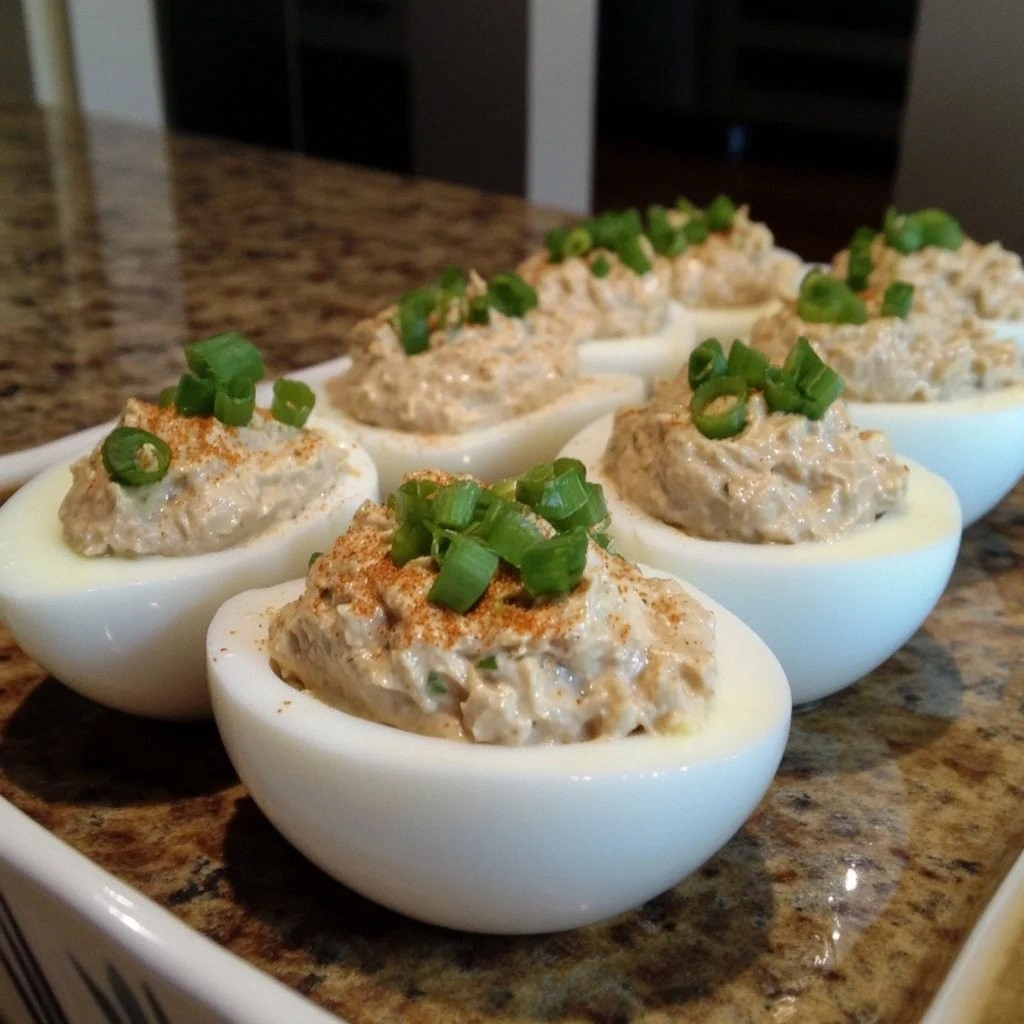
The Method — Step by Step
- Start with room temperature eggs — cold eggs crack when they hit hot water, and you'll end up with egg whites that look like they've been through a war zone. Place them gently in a single layer in your pot, then cover with cold water by about an inch. The cold water start is crucial because it prevents the whites from becoming rubbery and gives you that tender, creamy texture that makes people close their eyes when they bite into them. Add a splash of vinegar to the water — it helps the whites stay together if any eggs crack, and it makes peeling easier than breaking up with someone via text.
- Bring the water to a boil over medium-high heat, then immediately remove from heat and cover with a tight-fitting lid. This is where most people go wrong — they boil their eggs into submission, resulting in rubbery whites and that green ring around the yolk that tastes like disappointment. Let them sit in the hot water for exactly 12 minutes for large eggs. Set a timer, because guessing leads to overcooked eggs that taste like they've been sitting in a diner steam table since the Reagan administration.
- While the eggs cook, prepare an ice bath in a bowl large enough to hold all your eggs comfortably. This isn't just for show — shocking the eggs in ice water stops the cooking process immediately and buys you time before peeling. The rapid temperature change also helps separate the membrane from the shell, making peeling feel like sliding off a silk stocking instead of chiseling away at concrete. Add plenty of ice — you want that water ice-cold, not just lukewarm with good intentions.
- After 12 minutes, transfer the eggs to the ice bath with a slotted spoon and let them chill for at least 5 minutes. This is when you can start cleaning up or mixing yourself a celebratory beverage because you're about to become the deviled egg hero of your social circle. The eggs should feel cold to the touch, which means they're ready for the peeling party. If you're making these ahead, you can store them unpeeled in the fridge for up to a week.
- Time to peel — gently tap each egg on your counter to crack the shell all over, then roll it between your palms to loosen everything up. Start peeling from the wider end where there's usually an air pocket that makes the initial separation easier. The shell should come off in large pieces rather than tiny fragments that make you question your life choices. If you're struggling, peel under running water — it helps separate the stubborn bits while washing away any shell fragments.
- Slice each peeled egg in half lengthwise with a sharp knife that you've run under hot water. This prevents the yolks from crumbling and gives you clean cuts that make your eggs look professionally done. Gently squeeze the halves to pop out the yolks into a mixing bowl — they should slide out easily if your eggs are cooked perfectly. Arrange the whites on your serving platter, cut side up, like little boats waiting for their treasure.
- Now for the magic — drain your tuna but don't squeeze it bone-dry. You want some of that flavorful oil to add moisture and richness to the filling. Flake it with a fork until it's the texture you prefer — I like some larger chunks for contrast, but break it down more if you want it fully integrated. Add the tuna to the bowl with the yolks, along with the mayo, mustard, lemon juice, and hot sauce. This is where the alchemy happens.
- Mash everything together with a fork until it's mostly smooth but still has some texture. You're looking for the consistency of soft butter — spreadable but not runny. Taste and adjust seasoning with salt and pepper, remembering that the flavors will meld and intensify as it sits. If it's too thick, add a tiny splash of water or lemon juice. Too thin? More tuna or an extra yolk will save the day.
That's it — you did it. But hold on, I've got a few more tricks that'll take this to another level...
Insider Tricks for Flawless Results
The Temperature Rule Nobody Follows
Room temperature ingredients blend together like old friends, while cold ones fight like siblings in the backseat. Take your eggs, mayo, and mustard out of the fridge 30 minutes before you start mixing. This isn't just kitchen snobbery — cold yolks seize up and create little lumps that no amount of mixing will smooth out. It's like trying to mix butter straight from the freezer into cookie dough; technically possible, but why make life harder than it needs to be? Your future self will thank you when you're not standing there with a fork, cursing at stubborn yellow pebbles that refuse to cooperate.
Why Your Nose Knows Best
Before you add any seasoning, smell your tuna. Really smell it. Good tuna should smell like the ocean on a good day — briny, fresh, slightly sweet. If it smells fishy or metallic, it's past its prime and will make your eggs taste like low tide. This is where most people go wrong — they assume all canned tuna is created equal. Trust your nose; it's been evolving for millions of years to keep you from eating things that will make you sad. If your tuna doesn't pass the smell test, don't try to mask it with extra lemon or hot sauce — just start over with a better can.
The 5-Minute Rest That Changes Everything
After you mix the filling, let it rest for five minutes before tasting and adjusting. This isn't just about being patient — it's chemistry in action. The salt needs time to dissolve and distribute evenly, the flavors need to mingle and get to know each other, and the texture will actually change as the ingredients hydrate and meld. It's like letting a good soup simmer or allowing wine to breathe. Taste it immediately and you might over-season, then end up with something that tastes like a salt lick after everything has a chance to blend. Five minutes of patience prevents five hours of regret.
The Piping Secret That Impresses Everyone
If you're using a piping bag (and you should be), don't just snip the tip and go. Fold down the top edge like a cuff — it keeps the bag from getting messy and gives you better control. Fill it using a tall glass or measuring cup to hold the bag upright while you spoon in the filling. This prevents the "filling explosion all over your counter" situation that has claimed many a good recipe. When piping, hold the bag perpendicular to the egg and use steady pressure. Start in the center and spiral outward, then build up in the center for that professional look that makes people think you went to culinary school.
Creative Twists and Variations
This recipe is a playground. Here are some of my favorite ways to switch things up:
The Mediterranean Vacation
Swap the lemon juice for lime, add a tablespoon of chopped Kalamata olives, and mix in some crumbled feta cheese. Top with fresh oregano instead of chives, and suddenly you're transported to a Greek taverna overlooking the Aegean Sea. The briny olives play beautifully with the tuna, while the feta adds tangy pockets of flavor that make each bite feel like you're on vacation. I made these for a summer party once, and someone actually cried because they reminded her of her honeymoon in Santorini.
The Spicy Southern Belle
Add a teaspoon of your favorite hot sauce (I go with Crystal), a pinch of cayenne, and some finely diced celery for crunch. Top with a sliver of pickled jalapeño and a sprinkle of Old Bay. These have a kick that builds slowly, like a good country song that starts sweet and ends with heartbreak. The celery adds that nostalgic crunch that reminds you of your grandmother's potato salad, but with an attitude that says "I grew up and got interesting."
The Asian Fusion Dream
Replace the Dijon with a teaspoon of wasabi paste, add a splash of rice vinegar, and mix in some finely chopped pickled ginger. Top with black sesame seeds and thinly sliced scallions. The wasabi brings heat that hits your sinuses in the best way, while the ginger adds brightness that cuts through the richness. These disappeared faster than free samples at Costco when I brought them to a potluck — someone actually followed me home asking for the recipe.
The Everything Bagel Remix
Add everything bagel seasoning to the filling itself, not just on top. Mix in some softened cream cheese along with the mayo, and top with thinly sliced smoked salmon. It's like your favorite Sunday morning bagel got transformed into bite-sized party food. The cream cheese makes them extra rich and indulgent, while the everything seasoning brings all those nostalgic flavors that make people feel like they're back in their favorite bagel shop.
The Herb Garden Party
Go crazy with fresh herbs — dill, tarragon, chives, parsley, whatever's growing in your garden or lurking in your fridge. Add them to the filling and sprinkle more on top. Each herb brings its own personality to the party, creating a complex flavor profile that tastes like spring in edible form. I made these using herbs from my neighbor's garden (with permission, of course), and they tasted like someone captured sunshine and mixed it with hope.
The Bacon Lover's Fantasy
Mix in some crumbled crispy bacon and a teaspoon of bacon fat into the filling. Top with more bacon and a drizzle of maple syrup. Sweet, salty, smoky, creamy — it's like breakfast and appetizers had a beautiful baby. These are dangerous; I once ate eight in a row and had to lie down. The maple syrup adds just enough sweetness to make it interesting without turning it into dessert.
The French Onion Dream
Caramelize some onions until they're jammy and sweet, mix them into the filling, and top with Gruyère cheese that's been melted under the broiler for 30 seconds. These taste like French onion soup decided to become finger food. The caramelized onions add deep, sweet flavor that makes these feel fancy enough for a dinner party, while the melted cheese creates those Instagram-worthy cheese pulls that make food bloggers weep with joy.
Storing and Bringing It Back to Life
Fridge Storage
Store these beauties in an airtight container, with the halves arranged in a single layer. Place a piece of plastic wrap directly on the surface before sealing the lid — this prevents them from absorbing weird fridge flavors and keeps the filling from drying out. They'll keep for up to 3 days, though honestly, they've never lasted more than 24 hours in my house. If you need to stack them, separate layers with parchment paper to prevent the tops from getting squished. The filling might weep a little liquid — just drain it off before serving, and they'll look as fresh as the day you made them.
Freezer Friendly
Here's a secret: you can freeze the filling separately from the whites for up to a month. Pipe the filling onto a parchment-lined baking sheet, freeze until solid, then transfer to a freezer bag. When you're ready to serve, thaw overnight in the fridge and pipe into fresh whites. Don't freeze assembled deviled eggs — the whites become rubbery and watery, like eating a kitchen sponge. The frozen filling actually works great as a spread for crackers or sandwiches too, so make extra and you'll have emergency appetizers ready faster than you can say "unexpected guests."
Best Reheating Method
These are meant to be served cold, but if they've been sitting in a overly-cold fridge and need to warm up slightly, let them sit at room temperature for 15-20 minutes. This brings out all the flavors — cold dulls taste buds, but room temperature lets the tuna sing and the mayo soften to the perfect consistency. If they've been in the fridge for a day and look a little tired, refresh them with a tiny sprinkle of lemon juice and some fresh herbs on top. It's like giving them a spa day — they'll come back looking revitalized and tasting better than ever.