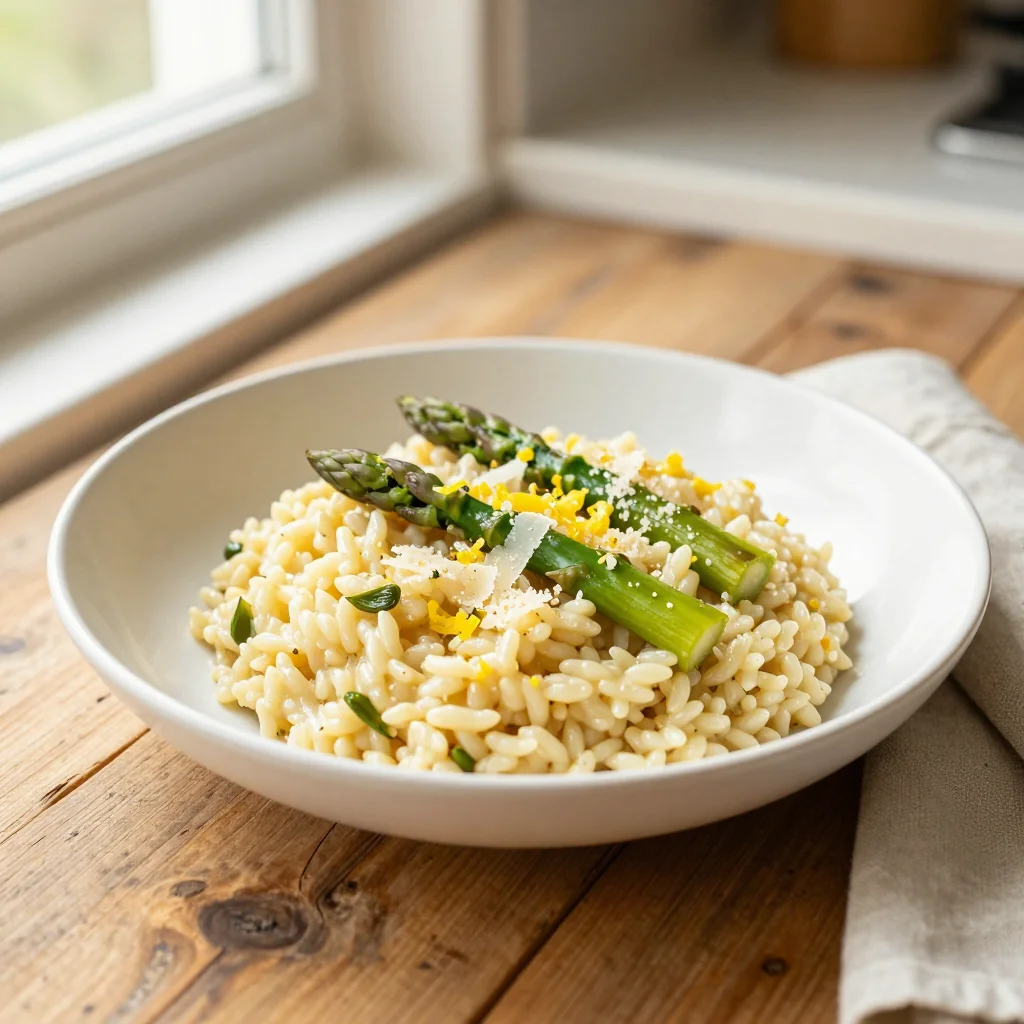
A silky, bright risotto that celebrates spring’s freshest spears and the zest of lemon.
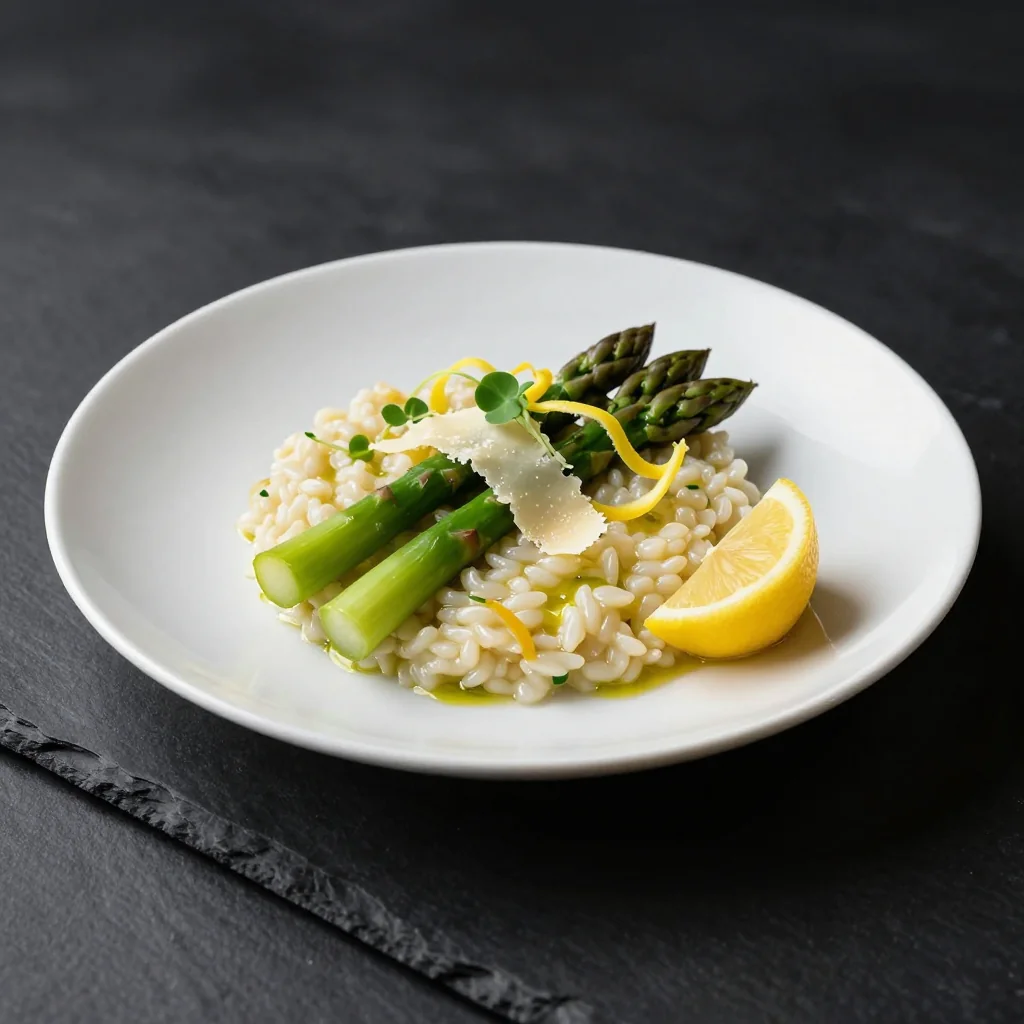
When I was a teenager, my grandmother would pull a tray of fresh asparagus from the garden each spring, wash it gently, and steam it beside the stove while we waited for the family to gather. The scent of tender green spears, brightened by a splash of lemon, became a ritual that marked the arrival of warmer days. I still remember the first time I tried to replicate her beloved risotto; the rice was stubborn, the broth seemed endless, and I was on the brink of surrender. Yet, after a few patient stirs and a daring squeeze of lemon, the dish transformed into something luminous, creamy, and unmistakably comforting.
This classic Italian technique, paired with the crisp snap of asparagus and the zing of citrus, hails from the northern regions of Italy where spring vegetables are celebrated in simple yet elegant preparations. The marriage of Arborio rice and a generous splash of white wine creates a luxurious texture that feels both rustic and refined.
In this guide, I’ll walk you through every nuance—from selecting the perfect spears to achieving that velvety consistency without a splash of panic. You’ll discover why the balance of lemon, butter, and Parmesan works so harmoniously, and you’ll leave with a recipe that feels like a warm, sun‑kissed embrace on a plate.
So tie on your apron, preheat your stove, and let’s dive into a risotto that sings the song of spring.
🌟 Why This Recipe Will Win Your Heart
A dish that feels both luxurious and comforting, perfect for any occasion.
- ✨ Creamy Texture Without Over‑Cooking: The slow‑release starch from Arborio rice gives the risotto a silkiness that’s impossible to achieve with regular rice, yet the method keeps the grains al‑dente.
- ✨ Bright Citrus Balance: Fresh lemon zest and juice cut through the richness, delivering a refreshing lift that makes each bite sing.
- ✨ Seasonal Freshness: Asparagus is at its peak in spring, offering a crisp bite and a vivid green color that brightens the plate.
- ✨ Parmesan Depth: The salty, nutty notes of Parmesan deepen the flavor profile, creating a comforting umami backbone.
- ✨ Versatile Presentation: Serve it as a main, a side, or even a sophisticated starter for a dinner party.
- ✨ Simple Yet Impressive: With a handful of pantry staples and a few fresh ingredients, you’ll impress guests without spending hours in the kitchen.
🥗 Ingredients
📝 Complete Ingredient List
For the Risotto Base:
For the Asparagus & Lemon:
For Garnish:
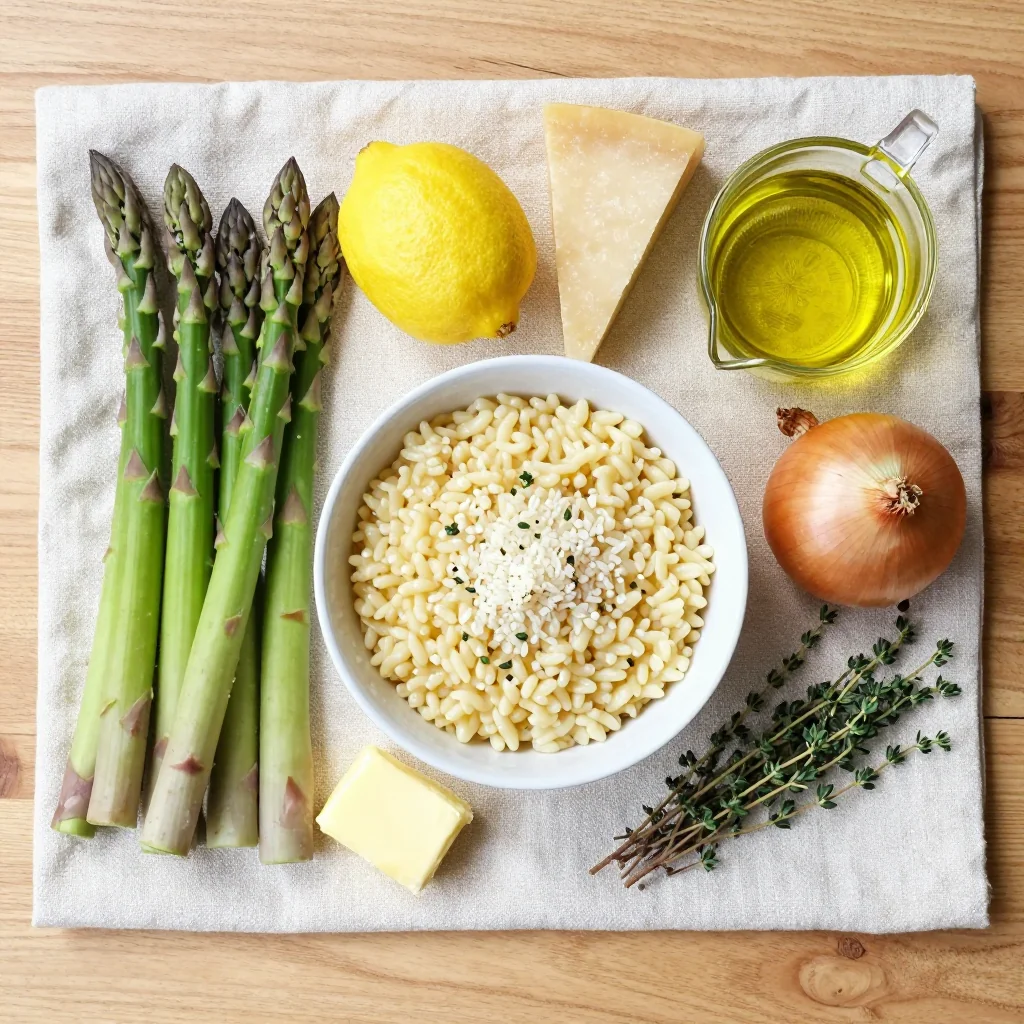
🔍 Focus on Key Ingredients
Arborio Rice
Arborio rice is a short‑grain Italian variety prized for its high amylopectin content, which releases starch slowly as it cooks. This creates the signature creamy mouthfeel of risotto while still allowing each grain to retain a pleasant bite. When shopping, look for rice that feels slightly firm to the touch; older rice can become gummy if over‑cooked.
Fresh Asparagus
Choosing asparagus with tight, unblemished tips ensures a tender interior and a vibrant green color. Trim the woody ends—about 2 cm—from the stalks, and consider snapping them off; the natural break point indicates the perfect spot. The spears should be washed, then blanched briefly to preserve their bright hue before being folded into the risotto.
Lemon Zest & Juice
The zest provides aromatic oils that lift the dish, while the juice adds a tangy sparkle that balances the richness of butter and cheese. Always zest the lemon before juicing to avoid a soggy rind, and use a microplane for fine, fragrant zest that integrates seamlessly.
🔄 Quick Substitutions
| If you don’t have… | Use instead… |
|---|---|
| Vegetable broth | Chicken broth (low‑sodium) |
| Parmesan cheese | Pecorino Romano (sharp) |
| White wine | Dry sherry or extra‑virgin olive oil (add a splash of water) |
| Arborio rice | Carnaroli or Vialone Nano (both work well) |
👨🍳 Step‑by‑Step Instructions
Follow these detailed steps to create a perfectly creamy risotto with bright, fresh asparagus and a citrus kick.
📋 Phase 1: Preparation & Mise en Place
Gather your ingredients, prep the aromatics, and get the broth simmering.
Prep the Broth
In a medium saucepan, bring the vegetable broth to a gentle simmer over low heat. Keep it warm throughout the cooking process; a hot broth adds steady heat to the rice, allowing it to absorb liquid evenly. Skim off any foam that rises, then reduce the heat to low so the broth stays just barely bubbling.
Trim & Slice Asparagus
Snap off the woody ends of the asparagus and cut the spears into 2‑inch (5 cm) pieces. Rinse them under cold water, pat dry, and set aside. If you prefer a slightly firmer texture, blanch the spears in boiling water for 2 minutes, then shock in an ice bath to lock in color.
Dice Onion & Mince Garlic
Finely dice the onion so it melts quickly, and mince the garlic for an even distribution of flavor. This ensures that the aromatics infuse the oil without creating large, crunchy pieces that could dominate the texture.
🔥 Phase 2: Cooking the Risotto
This is where the magic happens—slowly coaxing starch from the rice while incorporating fresh flavors.
Sauté Aromatics
Heat 2 tbsp olive oil in a large, heavy‑bottomed saucepan over medium heat. Add the diced onion and a pinch of salt; sauté for 3‑4 minutes until translucent. Add the minced garlic and cook for another 30 seconds, being careful not to let it brown.
Toast the Rice
Add the Arborio rice to the pan, stirring constantly for 2‑3 minutes until each grain is lightly coated with oil and turns a pale golden color. Toasting releases the rice’s starch gradually, which is essential for a creamy final texture.
Deglaze with White Wine
Pour the ½ cup of dry white wine into the pan, stirring until the liquid is almost fully absorbed. The acidity of the wine brightens the flavor and helps dissolve any caramelized bits stuck to the bottom of the pan.
Gradual Broth Incorporation
Begin adding the hot vegetable broth one ladle at a time, stirring constantly. Wait until the rice absorbs most of the first ladle before adding the next. Continue this process, adjusting the heat so the mixture simmers gently. The rice should become creamy yet retain a slight bite after about 18‑20 minutes.
✨ Phase 3: Finishing Touches & Plating
Now we bring everything together for a harmonious, restaurant‑quality finish.
Add Asparagus and Lemon
Stir the blanched asparagus pieces, lemon zest, and lemon juice into the risotto. Cook for 2‑3 minutes until the asparagus is just tender but still bright green. The lemon will lift the dish, while the asparagus adds a subtle crunch.
Finish with Butter & Parmesan
Remove the pan from heat. Add the remaining butter and the grated Parmesan cheese, stirring until fully melted and incorporated. This final emulsification creates a glossy, luxurious finish.
Season & Serve
Season with salt, pepper, and a pinch of red pepper flakes if you enjoy a gentle heat. Plate the risotto in shallow bowls, garnish with fresh parsley and an extra sprinkle of Parmesan.
💡 Expert Tips & Tricks
🛒 Choosing the Right Ingredients
When selecting asparagus, look for spears that are firm, with tightly closed tips. Avoid any that appear limp or have a woody, discolored end. Fresh asparagus should snap easily when bent—this is a reliable indicator of tenderness. For the rice, choose Arborio or Carnaroli; both hold up well under constant stirring and release the perfect amount of starch. Finally, opt for a dry, crisp white wine; the acidity will brighten the dish without adding unwanted sweetness.
🔪 Preparation Techniques
Before you begin, set up a mise en place station: measure out broth, wine, and rice; dice the onion; mince the garlic; and have your zesting tool ready. This reduces the time you spend searching for tools mid‑cook, which can cause the risotto to over‑cook. Keep a wooden spoon handy for stirring; the gentle, flexible action prevents the rice from sticking to the bottom of the pan while allowing you to feel the texture change as the starch releases.
🌡️ Mastering the Cooking Process
The key to a flawless risotto is patience and temperature control. Keep the broth at a low simmer and add it gradually—this ensures each grain absorbs liquid evenly, producing a creamy texture without becoming mushy. Stirring constantly is essential, but you don’t need to whisk; a gentle circular motion is sufficient. If you notice the rice sticking, lower the heat slightly and keep stirring.
🍽️ Presentation & Service
When plating, use shallow, wide bowls to showcase the vibrant green spears against the creamy backdrop. Finish each plate with a light drizzle of extra‑virgin olive oil and a final dusting of lemon zest for visual appeal. Serve immediately while the risotto is still warm; it will continue to thicken as it cools, so timing is crucial for the perfect mouthfeel.
🏆 Pro Tips
Elevate your risotto from home‑cooked comfort to restaurant‑grade excellence with these professional insights.
- 🎯 Use a Heavy‑Bottomed Pan: A pan with a thick base distributes heat evenly, preventing hot spots that can cause the rice to scorch. Professional kitchens favor copper‑bottomed stainless steel for its precise temperature control.
- 🎯 Keep the Broth Warm: Adding cold broth to hot rice will shock the grains and slow starch release. Warm broth maintains a consistent cooking temperature, ensuring a uniform, creamy consistency.
- 🎯 Finish with Cold Butter: Adding a cold cube of butter at the end creates an emulsion that gives the risotto its signature silkiness. The chilled butter also helps the dish retain heat longer on the plate.
- 🎯 Adjust Seasoning at the End: Salt intensifies as the liquid evaporates. Taste after the final butter addition, then season to perfection just before serving.
- 🎯 Rest Briefly Before Serving: Let the risotto sit for 2‑3 minutes off the heat; this allows flavors to meld and the texture to settle without becoming gummy.
- 🎯 Use Freshly Grated Parmesan: Pre‑grated cheese contains anti‑caking agents that can affect melt‑ability. Grating the cheese moments before adding it ensures a smooth, velvety finish.
"Risotto is the ultimate test of a chef’s patience and precision; when done right, it’s pure comfort on a plate."
🔄 Variations & Adaptations
The beauty of this risotto lies in its adaptability; feel free to explore these creative twists.
🥬 Vegetarian/Vegan Version
Swap the butter for a plant‑based alternative like vegan margarine, and replace Parmesan with a vegan “nutritional yeast” blend or a cashew‑based cheese sauce. Use vegetable broth fortified with mushroom flavor for a richer umami depth.
- Vegan butter (2 tbsp) – adds richness without dairy.
- Nutritional yeast (¼ cup) – provides a cheesy, nutty flavor.
- Optional: Add sautéed mushrooms for extra earthiness.
🌶️ Flavor Variations
Play with global flavor profiles while keeping the core technique intact.
Spicy Mexican Twist
Introduce 1 tsp chipotle in adobo, a dash of cumin, and top with chopped cilantro and cotija cheese. Serve with a side of Mexican corn salad for a vibrant, smoky experience.
Mediterranean Mediterranean
Add sun‑dried tomatoes, Kalamata olives, and a sprinkle of feta. Finish with a drizzle of extra‑virgin olive oil and a pinch of oregano for a sun‑kissed finish.
Asian‑Inspired
Swap the white wine for a splash of dry sherry, incorporate a teaspoon of soy sauce, and garnish with toasted sesame seeds and sliced scallions for an umami‑rich, Asian‑style risotto.
⚠️ Dietary Adaptations
Gluten‑Free
All ingredients in this recipe are naturally gluten‑free, but ensure your broth and any pre‑packaged items are certified gluten‑free to avoid cross‑contamination.
Lactose‑Free
Replace butter with lactose‑free margarine and use a lactose‑free cheese alternative, such as a dairy‑free Parmesan substitute.
Low‑Calorie
Reduce the butter to 1 tbsp, use low‑sodium broth, and halve the Parmesan. Increase the volume of asparagus and add extra lemon juice for flavor without adding many calories.
👶 Family/Children Friendly
Kids often prefer milder flavors. Omit the red pepper flakes, reduce the lemon zest to a pinch, and serve with a side of crispy chicken tenders or a simple green salad. The creamy texture is usually a hit with younger palates.
📦 Storage & Reheating
🧊 Storage
Refrigerator
- Duration: 3‑4 days
- Container: Airtight glass or BPA‑free plastic
- Tip: Cool the risotto to room temperature before sealing to avoid condensation.
Freezer
- Duration: Up to 2 months
- Method: Portion into freezer‑safe bags, removing as much air as possible.
- Defrosting: Transfer to the refrigerator overnight, then reheat gently.
💡 Note: Risotto may thicken after refrigeration; reheat with a splash of broth or water to restore creaminess.
♨️ Reheating
Oven (Recommended)
- Preheat to 180 °C (350 °F).
- Cover the dish with foil to retain moisture.
- Heat for 15‑20 minutes, stirring halfway through.
- Remove foil, add a splash of broth, and continue for 5 minutes.
Microwave (Quick)
- Place a portion in a microwave‑safe bowl, cover loosely.
- Heat on medium power for 2‑3 minutes, stirring halfway.
- Stir in a tablespoon of broth if the texture feels dry.
Stovetop
Reheat in a saucepan over low heat, adding a splash of broth and stirring continuously until warmed through.
🍷 Perfect Pairings
🥗 Side Dishes
- Arugula Salad with Lemon Vinaigrette: The peppery arugula balances the richness of the risotto.
- Roasted Garlic Bread: Crunchy bread offers a textural contrast and soaks up any extra sauce.
- Grilled Zucchini with Herbs: Lightly charred zucchini adds smoky depth without overpowering the main dish.
🍷 Wine & Drink Pairings
- Pinot Grigio: Its crisp acidity mirrors the lemon and cuts through the buttery richness.
- Vermentino: A Mediterranean white with subtle herbal notes that complement the asparagus.
- Non‑Alcoholic Sparkling Water with a Twist of Lemon: Refreshing and palate‑cleansing.
🍰 To Complete the Meal
Begin with a light starter such as a chilled cucumber gazpacho, then follow the risotto with a delicate lemon panna cotta for dessert. The citrus thread runs through each course, creating a harmonious dining experience.
❓ Frequently Asked Questions
Q: Can I use chicken broth instead of vegetable broth?
Absolutely. Chicken broth adds a richer, meat‑based depth that works well if you’re not seeking a strictly vegetarian dish. Use a low‑sodium chicken broth to keep the salt level in check, and consider adding a splash of white wine for acidity.
Q: How do I prevent the risotto from becoming gummy?
The key is to add broth gradually while constantly stirring, and to keep the heat at a gentle simmer. Over‑adding liquid or cooking at too high a temperature will break down the starches too quickly, resulting in a gummy texture. Also, avoid over‑cooking the rice; it should retain a slight bite.
Q: What if I don’t have fresh asparagus?
Frozen asparagus works in a pinch, but be sure to thaw and pat dry before adding it to the risotto. Fresh asparagus provides the best texture and flavor, so when possible, purchase it from a farmers’ market or a reputable grocery store.
Q: Can I add other vegetables?
Yes! Peas, mushrooms, or roasted butternut squash can be incorporated. Add peas in the final minutes of cooking, mushrooms can be sautéed with the aromatics, and butternut squash can be roasted separately and folded in at the end.
Q: How do I make the risotto vegan?
Replace butter with a plant‑based alternative and use a vegan Parmesan substitute or nutritional yeast. Ensure the broth is vegetable‑based and free from any hidden animal products.
Q: Can I prepare the risotto ahead of time?
While risotto is best served fresh, you can prepare it up to a day in advance, store it in an airtight container, and reheat gently with a splash of broth. The texture will be slightly firmer, but the flavor remains delicious.
🎉 Let’s Get Cooking!
Asparagus Risotto with Lemon and Parmesan is a celebration of spring’s bounty, combining creamy rice with bright citrus and crisp spears. The dish is both comforting and elegant, perfect for a quiet weeknight dinner or a special gathering. By mastering the technique of gradual broth addition and the balance of lemon and cheese, you’ll create a risotto that feels restaurant‑worthy yet approachable.
Gather your freshest asparagus, a good bottle of white wine, and let the aromas fill your kitchen. Remember, patience is the secret ingredient—stir slowly, taste often, and enjoy the transformation from humble grains to a silky masterpiece.
Have you tried this recipe?
Leave a comment below and share your photos on Instagram with #AsparagusRisottoMagic to be featured on our page!
Asparagus Risotto with Lemon and Parmesan
A bright, creamy risotto that showcases fresh asparagus and a hint of lemon.
📝 Ingredients
Risotto Base
Asparagus & Lemon
Garnish
📚 You Might Also Like
Spicy Lemon Shrimp Risotto
Mushroom & Thyme Risotto
Lemon Herb Chicken
Roasted Beet & Goat Cheese Salad
💬 Comments & Reviews
[Space for reader comments]






Leave a Comment