Mardi Gras King Cake – A Celebration of Flavor and Tradition
The Mardi Gras King Cake is more than just a dessert; it’s a cultural icon that marks the crescendo of carnival celebrations across the Gulf Coast, especially in New Orleans. Every year, families and friends gather around a towering, spiraled brioche, dusted with a cascade of purple, green, and gold sugar—colors that symbolize justice, faith, and power. Hidden beneath that sweet glaze lies a tiny, gleaming plastic baby, a token of luck and prosperity for the lucky finder. When the baby is discovered, tradition dictates that the finder hosts the next party or supplies the next cake—ensuring the festive spirit never fades.
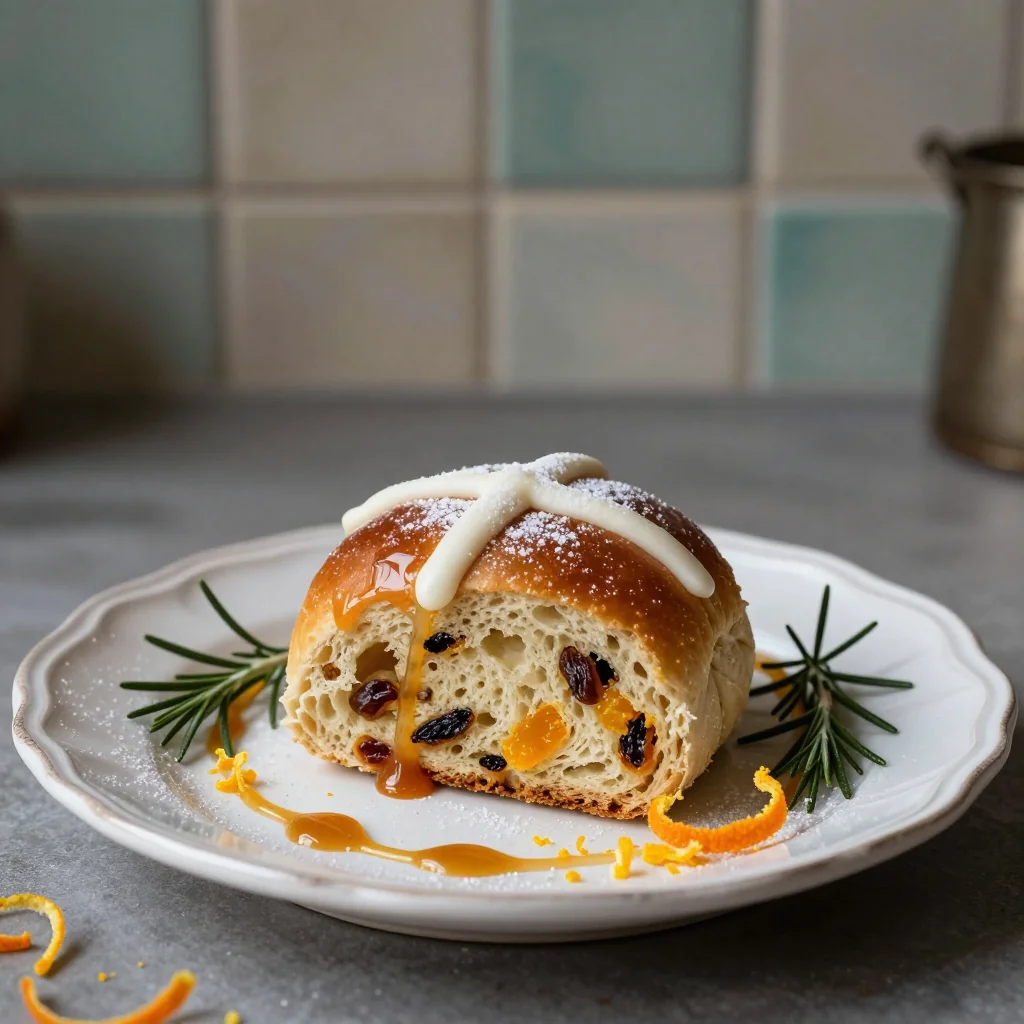
This recipe captures the authentic texture of a traditional King Cake while offering modern conveniences for home bakers. The dough is enriched with butter, eggs, and a touch of orange zest, creating a tender crumb that’s both buttery and slightly citrusy. The filling—an indulgent blend of cream cheese, powdered sugar, and warm spices—provides a luscious contrast to the crisp crust. Finally, the iconic royal icing, tinted with the signature Mardi Gras palette, delivers that eye‑catching finish that makes the cake a centerpiece at any celebration.
Whether you’re preparing for Fat Tuesday, hosting a brunch, or simply craving a slice of New Orleans heritage, this King Cake brings the magic of the French Quarter to your kitchen. The step‑by‑step guide below walks you through every crucial moment, from dough preparation to the final decorative flourish, ensuring you achieve bakery‑level results without the need for professional equipment. Let’s dive into the festive process, celebrate community, and perhaps discover who will be crowned the next “king” of your gathering!
Why You’ll Love This King Cake
- Authentic flavor: Classic brioche texture paired with a spiced cream‑cheese filling that mirrors the traditional taste of New Orleans bakeries.
- Show‑stopping presentation: The vibrant purple, green, and gold glaze turns any table into a Mardi Gras parade.
- Interactive tradition: Hide the baby for a fun, age‑old ritual that adds excitement to every slice.
- Flexible sizing: Scale the recipe up for a towering 12‑inch cake or down for individual mini‑cakes perfect for parties.
- Ingredient-friendly: Simple pantry staples, with optional gluten‑free or dairy‑free swaps detailed below.
Ingredients Overview
For the Dough
- 4 cups (500 g) all‑purpose flour
- 1/2 cup (100 g) granulated sugar
- 2 ½ tsp active dry yeast
- 1 tsp salt
- 1 cup (240 ml) whole milk, warmed
- 3 large eggs, room temperature
- 1 cup (225 g) unsalted butter, softened
- Zest of 1 orange
- 1 tbsp orange juice
For the Filling
- 8 oz (225 g) cream cheese, softened
- 1/2 cup (60 g) powdered sugar
- 1 tsp vanilla extract
- 1 tsp ground cinnamon
- 1/2 tsp ground nutmeg
For the Royal Icing & Decoration
- 2 cups (240 g) powdered sugar
- 2 tbsp milk
- 1 tsp vanilla extract
- Food‑grade coloring: purple, green, gold
- Optional: sliced almonds or pearl sprinkles
- Plastic baby (≈ 1 inch) for tradition
Step‑by‑Step Instructions
- Activate the yeast. In a small bowl, combine warm milk (110 °F/43 °C) with a pinch of sugar and the yeast. Stir gently and let sit 5‑7 minutes until frothy.
- Mix dry ingredients. In the bowl of a stand mixer, whisk together flour, remaining sugar, and salt.
- Incorporate wet ingredients. Add the yeast mixture, eggs, orange zest, orange juice, and softened butter to the dry mix. Using the dough hook, knead on medium speed for 8‑10 minutes, until the dough is smooth, elastic, and pulls away from the sides.
- First rise. Transfer the dough to a lightly oiled bowl, cover with plastic wrap, and let it rise in a warm place for 1 ½ hours, or until doubled in size.
- Prepare the filling. While the dough rises, beat together cream cheese, powdered sugar, vanilla, cinnamon, and nutmeg until light and fluffy. Set aside.
- Shape the cake. Punch down the risen dough and turn it onto a lightly floured surface. Roll into a 12 × 16‑inch rectangle. Spread the cream‑cheese filling evenly, leaving a ½‑inch border.
- Form the traditional braid. Starting from the short edge, roll the dough tightly into a log. Slice the log into three equal strips (≈ 1‑inch thick). Twist the three strips together, tucking the ends underneath to form a neat spiral. Place the braid onto a parchment‑lined baking sheet, seam side down.
- Second rise. Cover loosely with a clean kitchen towel and let the braid rise for 45 minutes, or until puffy.
- Preheat the oven. While the dough proofs, preheat your oven to 350 °F (175 °C). Place an empty baking tray on the lower rack to catch any drips.
- Bake the cake. Lightly brush the top with an egg wash (1 egg beaten with 1 tbsp milk). Bake for 25‑30 minutes, or until golden brown and the internal temperature reaches 190 °F (88 °C).
- Cool & add the baby. Allow the cake to cool on a wire rack for 15 minutes. Gently insert the plastic baby about 2 inches from the edge, ensuring it’s hidden but reachable.
- Prepare the royal icing. Whisk powdered sugar, milk, and vanilla until smooth. Divide into three bowls and tint each with purple, green, and gold food coloring. Drizzle or pipe the colored icings over the cake in a festive pattern. Finish with optional sliced almonds or sprinkles for extra sparkle.
Pro Tips & Tricks
- Temperature matters: Keep all dairy ingredients at room temperature to ensure a smooth dough and even rise.
- Don’t over‑mix the filling: Over‑beating can cause the cream cheese to become grainy, compromising the creamy texture.
- Even braid tension: When twisting the three strips, maintain consistent tension to avoid gaps that could dry out during baking.
- Hide the baby safely: Wrap the plastic baby in a tiny piece of parchment before inserting; it prevents accidental tearing of the dough.
- Glaze after cooling: Applying the royal icing while the cake is still warm can cause it to melt and run off; wait until the cake is completely cool.
Variations & Substitutions
The classic King Cake is versatile. Here are a few creative twists to suit different dietary needs or flavor cravings:
- Gluten‑free version: Substitute the all‑purpose flour with a 1‑to‑1 gluten‑free flour blend that contains xanthan gum. The dough may be slightly stickier; handle with a lightly floured silicone mat.
- Dairy‑free alternative: Use coconut oil in place of butter and dairy‑free cream cheese for the filling. The coconut oil adds a subtle tropical note that pairs nicely with the orange zest.
- Chocolate swirl: Melt 4 oz dark chocolate and drizzle it over the cream‑cheese filling before rolling. The chocolate ribbons create a decadent marbled effect.
- Fruit‑filled surprise: Replace the baby with a small candied fruit (e.g., a dried apricot). This adds a burst of natural sweetness and a playful visual twist.
- Mini king cakes: Cut the dough into 12 equal pieces, shape each into a mini braid, and bake on a muffin tin. Perfect for party platters or individual servings.
Storage & Shelf Life
King Cake is best enjoyed fresh, but it can be stored for several days without losing its charm. Allow the cake to cool completely, then wrap it tightly in plastic wrap followed by a layer of aluminum foil. Store at room temperature for up to 2 days; for longer storage, refrigerate (up to 5 days). Before serving, let the cake sit at room temperature for 30 minutes to bring back its soft texture. For extended preservation, slice the cake, freeze individual portions in airtight bags, and thaw gently overnight in the refrigerator.
Frequently Asked Questions
- Can I use instant yeast?
- Yes. Reduce the rising time by about 20 minutes, but ensure the liquid is not too hot, as instant yeast is more sensitive to temperature.
- What if I don’t have a plastic baby?
- A small almond, a dried fruit, or even a tiny figurine (food‑grade) works just as well. The tradition is about the surprise, not the specific object.
- How do I prevent the braid from flattening?
- Avoid over‑proofing the second rise and handle the dough gently when transferring to the baking sheet. A parchment paper liner helps maintain shape.
- Can I freeze the unbaked braid?
- Absolutely. After shaping, place the braid on a parchment sheet, freeze solid (about 1 hour), then wrap tightly and store for up to 1 month. Thaw overnight in the refrigerator before the second rise.
- Is the royal icing safe for people with egg allergies?
- Our royal icing recipe contains no eggs, making it safe for most egg‑allergic individuals. Ensure any food‑coloring used is also free of allergens.
Mardi Gras King Cake
Prep: 30 min
Rise: 2 h total
Cook: 30 min
Ingredients
Instructions
- Activate yeast in warm milk; let froth.
- Mix dry ingredients, then combine with wet ingredients; knead.
- First rise until doubled, about 1½ hours.
- Prepare cream‑cheese filling while dough rises.
- Roll, spread filling, cut into three strips, and braid.
- Second rise 45 minutes.
- Bake at 350 °F for 25‑30 minutes.
- Cool, insert the baby, and drizzle royal icing.
Nutrition (per serving)
| Calories | 380 kcal |
|---|---|
| Fat | 18 g |
| Carbohydrates | 48 g |
| Protein | 7 g |
| Sugar | 22 g |
| Sodium | 210 mg |