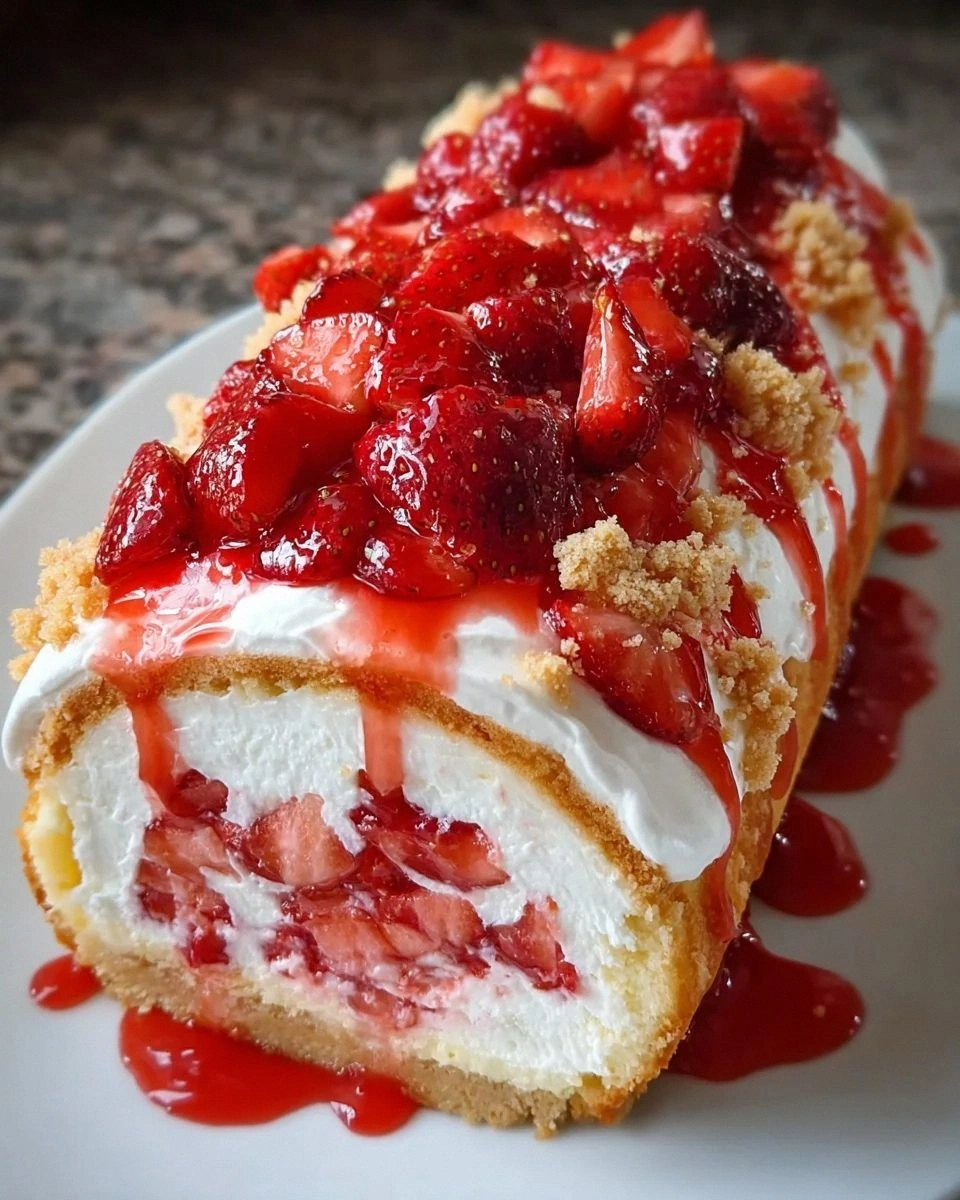
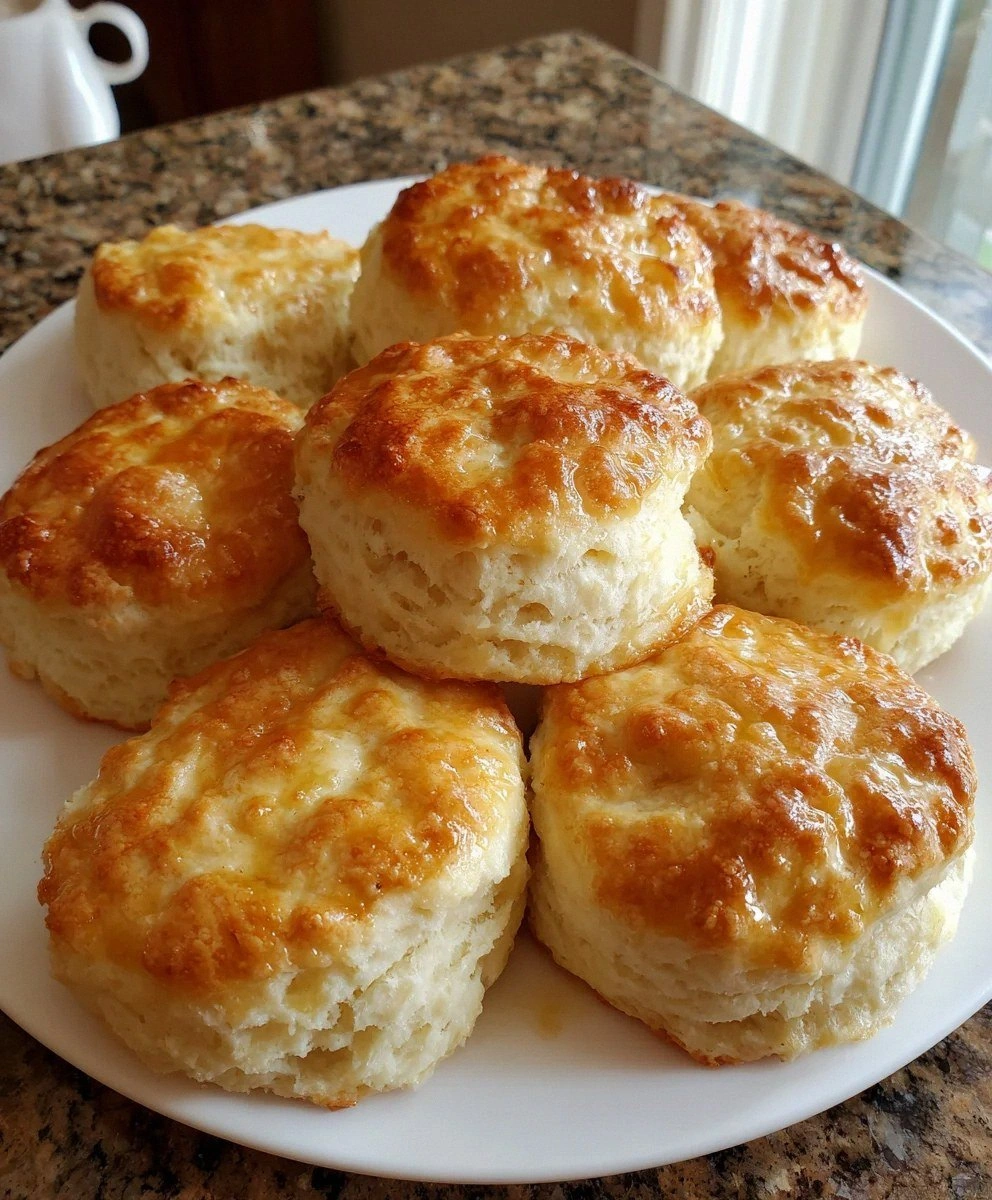
I burned my tongue three times in one afternoon trying to perfect these biscuits, and honestly? Worth it. The first batch emerged from the oven looking innocent enough—puffy, golden, and swimming in a pool of melted butter—but one bite and I knew I’d stumbled onto something dangerous. The peaches caramelized into jammy pockets of summer, the biscuit edges crisped like the best parts of a croissant, and that buttery lake at the bottom? Let’s just say I considered drinking it with a straw. My kitchen smelled like a Southern bakery had a torrid love affair with a peach orchard, and the neighbors started dropping by with suspicious timing.
Picture this: late July, peaches so ripe they bruise if you glance at them wrong, and a craving that won’t quit. I’d tried every biscuit recipe under the sun—drop biscuits, rolled biscuits, even those sad tube ones from the refrigerated section that pop open like a jump scare. None delivered that perfect balance of flaky layers, buttery richness, and fruit-studded magic I wanted. Then I remembered the old “butter swim” technique my grandmother used for her cornbread, where you pour batter into a hot butter bath and let the oven do unholy things. What if I applied that to biscuits and folded in peaches so juicy they practically burst? The result was so good I hid the last two biscuits in the microwave so my husband wouldn’t find them.
Here’s the thing: most peach biscuit recipes treat the fruit like an afterthought, folding in sad canned bits that sink to the bottom like wet tissue paper. Others go full cobbler and forget we’re aiming for breakfast, not dessert. This version respects the biscuit. The peaches get a quick toss with brown sugar, cinnamon, and a whisper of nutmeg until they glisten like jewels, then they’re tucked into a dough so tender it practically sighs. The butter pool isn’t just for drama—it creates steam that lifts the biscuits while the edges fry into crispy lace. If you’ve ever struggled with tough, dry biscuits, this technique is your new best friend.
Stay with me here—this next part is worth it. We’re going to use cold buttermilk straight from the fridge, barely mix the dough, and pour it into a screaming-hot pan of melted butter. The first time I did this, I stood back like it might explode. Instead, it puffed gloriously, the peaches bobbing to the top like they knew they belonged there. When you pull it from the oven, you’ll want to wait exactly five minutes before glazing with peach preserves thinned with lemon juice. Any sooner and the glaze melts off; any later and you’ve missed the window where it sinks into every crag. Let me walk you through every single step—by the end, you’ll wonder how you ever made it any other way.
What Makes This Version Stand Out
Butter Swim Magic: Instead of cutting butter into flour like some kind of peasant, you melt an entire stick in the pan and let the dough bake while swimming in it. The bottom fries into a golden crust while the top stays cloud-soft. It’s like your biscuit went to finishing school and came back with a PhD in delicious.
Peach Placement Strategy: Rather than folding peaches throughout (which waters down the dough), we layer them on top so they caramelize just enough to taste like peach cobbler but don’t sog out the structure. Each bite gives you fruit and fluffy biscuit in perfect ratio.
No Rolling Pin Required: This dough is more like a thick batter—you pour it in and nudge it around. No floured counters, no cutting shapes, no rerolling scraps that get tough. If you can stir pancake batter, you can make these biscuits.
Speed Demon Status: From mixing bowl to table in under 45 minutes, making this the fastest route to homemade biscuit glory. Perfect for when you want to impress brunch guests but spent too long hitting snooze.
Make-Ahead Friendly: Mix the dry ingredients the night before, chop your peaches, even melt the butter in the pan. In the morning, you’re five minutes away from hot biscuits and eternal gratitude from everyone in smelling distance.
Crowd Reaction Guarantee: I’ve never served these without someone closing their eyes in bliss. One friend took a bite and whispered “I need to sit down” like she’d seen a ghost. They’re that good.
Inside the Ingredient List
The Flavor Base
All-purpose flour forms the backbone here—don’t get cute with whole wheat or gluten-free blends unless you want hockey pucks. We need the gluten development for structure but not so much that we create chew. That’s why we stir just until the flour disappears; over-mixing leads to biscuits that could double as doorstops. The baking powder and baking soda work as a tag team—the powder gives lift, the soda helps with browning and neutralizes the buttermilk’s acid. Skip the soda and your biscuits will taste flat and look anemic.
The Texture Crew
Cold buttermilk is non-negotiable. The acidity tenderizes the gluten while the chill keeps the butter in the pan from melting too fast. Warm buttermilk equals dense biscuits, and nobody has time for that sadness. The small amount of sugar isn’t for sweetness—it helps with caramelization and balances the tangy buttermilk. Salt seems minor but without it, your biscuits taste like cardboard despite all the butter. Don’t skip it unless you enjoy disappointing yourself.
The Unexpected Star
Peaches need to be ripe but not mushy—think fragrant with a slight give when pressed. Underripe fruit stays tart and never develops that jammy texture we want. If you only have hard peaches, toss them with the sugar and let them sit for 30 minutes; it helps a little. Frozen peaches work in a pinch, but thaw and pat dry or they’ll weep all over your dough. Canned peaches are the emergency backup—drain them well and pat dry with paper towels.
The Final Flourish
Peach preserves thinned with lemon juice become a glossy glaze that seeps into every nook. Use the best quality you can find—cheap jam tastes like scented sugar water. The lemon brightens everything and keeps the sweetness from becoming cloying. A little water helps it brush on smoothly; too thick and it sits on top like frosting, too thin and it disappears. Aim for the consistency of warm honey.
The Method — Step by Step
- Preheat your oven to 450°F. Yes, that hot. We want the butter to sizzle when the batter hits it, creating immediate steam for lift. Place your metal baking dish (8x8 or 9x9) inside while it heats. This step is crucial—cold pan equals sad, greasy biscuits. While it heats, cut your peaches into ½-inch chunks. Not too small or they disappear; not too big or they sink.
- In a medium bowl, toss peaches with brown sugar, cinnamon, nutmeg, and lemon juice. Let them sit while you mix the dough—the sugar draws out juices and creates a quick syrup. This prevents the fruit from weeping into the biscuit later. Stir occasionally; you’ll see the liquid turn syrupy and fragrant. This is five minutes well spent.
- In a large bowl, whisk flour, sugar, baking powder, baking soda, and salt. Make sure the leavening agents are evenly distributed—nobody wants a biscuit with a baking-powder pocket that tastes like soap. Use a whisk; it’s faster than sifting and just as effective. If you’re adding chives, now’s the time. They give a subtle onion note that plays beautifully with sweet peaches.
- Pour in the cold buttermilk. Here’s where most people panic—the dough looks shaggy and too wet. That’s perfect. Stir just until the flour disappears; you’ll still see lumps and that’s exactly what you want. Over-mixing develops gluten and we’re not making bread here. The dough should look like thick cottage cheese.
- Carefully remove the hot pan from the oven—use mitts, obviously. Add the butter; it should melt and foam immediately. Swirl to coat the bottom. If it browns slightly, that’s fine; nutty butter is never a bad thing. Work quickly so the pan stays hot.
- Scrape the dough into the butter. Don’t panic when it starts to sizzle—this is the sound of success. Use a spatula to gently spread toward the corners; it’s okay if it looks rustic. The butter will creep up the sides, which is exactly what we want for those crispy edges. Now scatter the peach mixture evenly over the top.
- Bake for 20-25 minutes. The top should be deep golden, the edges pulling away slightly, and a toothpick in the center should come out clean. If the peaches start to brown too much, tent loosely with foil for the last five minutes. Your kitchen will smell like a peach cobbler and a biscuit had a beautiful baby. Try not to open the oven door before 18 minutes or the biscuits could collapse.
- While it bakes, warm the peach preserves with lemon juice and water in a small saucepan. You want it thin enough to brush but thick enough to coat. If it boils, cool slightly; hot glaze runs right off. Stir until smooth and glossy. This is the difference between good biscuits and legendary ones.
- Cool for exactly five minutes—set a timer. Brush generously with the glaze, letting it seep into every crag and pool in the corners. Resist cutting immediately; the glaze needs time to set. After ten minutes, scoop into squares and serve warm. Accept praise humbly, even though you know you’re a genius.
That’s it—you did it. But hold on, I’ve got a few more tricks that’ll take this to another level...
Insider Tricks for Flawless Results
The Temperature Rule Nobody Follows
Every ingredient except the butter should be cold—flour included. Pop your flour bowl in the freezer for ten minutes while the oven heats. Warm ingredients melt the butter prematurely, leading to dense, greasy results. I keep my buttermilk in a measuring cup nestled in ice water like it’s on vacation. Your future self will thank you when the biscuits rise like they’re auditioning for a baking commercial.
Why Your Nose Knows Best
Don’t trust the timer alone—trust your senses. When the peaches start to smell like caramel and the edges look deep chestnut, they’re done. Under-baked biscuits smell faintly of flour; over-baked ones smell bitter. The perfect moment is when the scent hits you three rooms away and your stomach growls like an angry bear. That’s the sweet spot.
The 5-Minute Rest That Changes Everything
I know they’re calling your name, but waiting five minutes before glazing prevents the preserves from sliding off in a sad puddle. The biscuit surface needs to cool just enough for the glaze to adhere. Use this time to make coffee, set the table, or fight off family members with a wooden spoon. The glaze will set slightly, creating that bakery-perfect shine.
Creative Twists and Variations
This recipe is a playground. Here are some of my favorite ways to switch things up:
Blueberry Lemon Zest
Swap peaches for blueberries and add a teaspoon of lemon zest to the dough. The berries burst into jammy pockets, and the zest makes everything taste like sunshine. Use blueberry jam for the glaze. It’s like a muffin and a biscuit eloped to Vegas.
Savory Cheddar Jalapeño
Replace fruit with shredded sharp cheddar and diced pickled jalapeños. Skip the sugar in the dough and glaze with honey butter. Serve alongside chili and watch grown adults weep with joy. The spicy-salty-buttery combo is dangerously addictive.
Apple Cinnamon Crumble
Use tart Granny Smith apples, add a pinch of cloves, and top with a quick streusel of butter, flour, and brown sugar before baking. The crumble adds crunch while the apples stay toothsome. Drizzle with caramel sauce if you’re feeling fancy—or just eat them standing over the sink.
Savory Tomato Basil
Replace peaches with cherry tomato halves, fresh basil ribbons, and a handful of grated Parmesan. The tomatoes roast into sweet bursts, and the basil perfumes the whole kitchen. Perfect alongside scrambled eggs or as the base for a breakfast sandwich.
Peach Raspberry Swirl
Use half peaches, half raspberries for a sweet-tart combo that looks stunning. The raspberries bleed pink swirls through the biscuit, making it look like edible art. Raspberry jam thinned with orange juice makes the perfect glaze. People will think you attended culinary school.
Coconut Mango Tropical
Sub mangoes for peaches, add ¼ cup shredded coconut to the dough, and use coconut milk instead of buttermilk. The tropical vibes are strong with this one. Glaze with mango nectar and a splash of lime. Close your eyes and you’re on a beach somewhere.
Storing and Bringing It Back to Life
Fridge Storage
Cool completely, then store in an airtight container with parchment between layers. They’ll keep three days in the fridge, though the edges lose some crispness. To revive, split and toast cut-side down in a dry skillet until warm. The bottoms re-crisp beautifully while the insides steam soft again.
Freezer Friendly
Cut into portions, wrap individually in plastic wrap, then foil. Freeze up to two months. Thaw overnight in the fridge or microwave 30 seconds, then toast. The peach flavor intensifies after freezing—like peach concentrate in biscuit form. I always stash a few for emergency breakfast situations.
Best Reheating Method
Skip the microwave unless you like rubbery bottoms. Instead, place on a baking sheet, tent with foil, and warm at 350°F for 8-10 minutes. Add a tiny splash of water to the pan before covering—it steams them back to life. The glaze will re-gloss and the edges regain their snap.