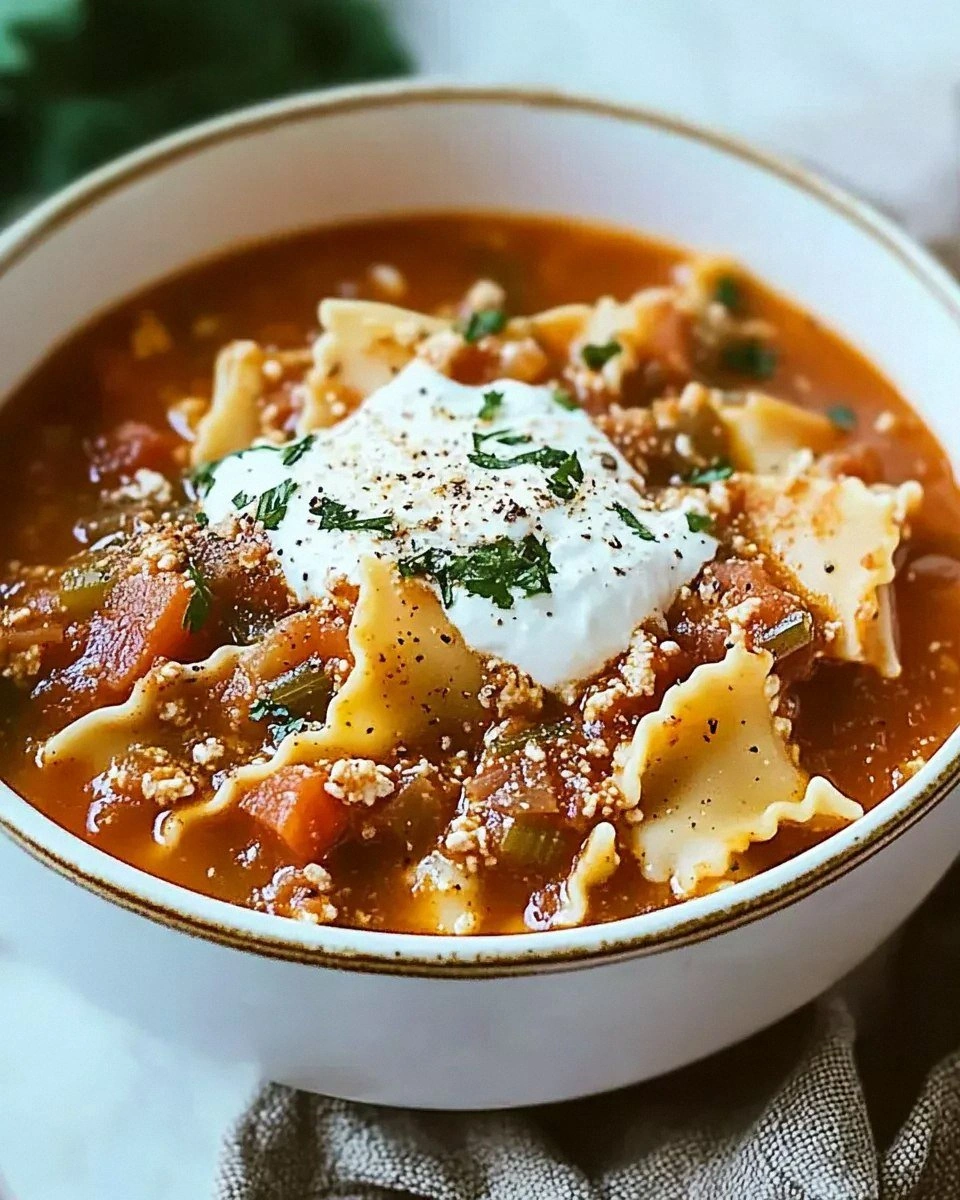
Picture this: a rainy Tuesday, the kind that makes you curl up with a blanket and wonder why the universe insists on drenching your plans. I was staring at a half‑cooked pot of spaghetti that had turned into a soggy, flavorless mess, and a friend dared me to “make something that feels like lasagna but can be eaten with a spoon.” I laughed, I rolled my eyes, and then I did exactly what any self‑respecting food‑obsessed person does—I dove headfirst into the pantry, grabbed the nearest pot, and started improvising. The result? A steaming bowl of Lasagna Soup that smells like an Italian grandma’s kitchen and tastes like a hug from the inside out. This isn’t just a recipe; it’s a revelation that turned a culinary disaster into a bowl of pure comfort.
The moment the olive oil hit the pan, a sizzle sang louder than my favorite rock anthem, and I could already feel the anticipation building. The ground beef browned, releasing a caramelized perfume that made the whole house feel like a trattoria on a bustling street corner. As the onions softened, their sweet aroma mingled with garlic’s sharp bite, creating a fragrant base that was both familiar and exhilarating. When I added the tomatoes, the pot transformed into a ruby‑red sea, each bubble popping like tiny fireworks, promising a depth of flavor that would make any traditional lasagna jealous.
What truly sets this version apart is the marriage of classic lasagna components with the soul‑soothing convenience of soup. Imagine the rich, layered taste of a baked lasagna, but every spoonful is drenched in a broth that coats the bowtie pasta like velvet, while the ricotta and mozzarella melt into silky pockets of cheesy bliss. Most recipes try to mimic lasagna by simply adding pasta to a tomato sauce, but they miss the magic of the broth, the harmony of herbs, and the strategic timing that keeps the pasta al‑dente without turning the soup into a mushy mess. This soup is the love child of comfort food and gourmet technique, and trust me, it’s hands down the best version you’ll ever make at home.
And here’s the kicker: I’m about to reveal a secret ingredient that most people overlook—a splash of water added right at the end to revive the pasta’s bite after it sits. I dare you to taste this and not go back for seconds. Let me walk you through every single step — by the end, you’ll wonder how you ever made it any other way.
What Makes This Version Stand Out
- Depth: The combination of diced tomatoes, tomato sauce, and a modest amount of tomato paste creates a layered sauce that deepens as it simmers, delivering a robust flavor that never feels flat.
- Texture: Bowtie pasta holds onto the broth in every crevice, while the ricotta adds a creamy cloud that contrasts beautifully with the al‑dente bite.
- Simplicity: Only one pot is required, meaning less cleanup and more time to enjoy the aroma filling your kitchen.
- Uniqueness: Adding a splash of water at the end revives the pasta’s firmness, a trick most recipes miss, giving you that perfect “just‑right” chew.
- Crowd Reaction: This soup consistently earns rave reviews; guests often claim it’s better than the lasagna they grew up with.
- Ingredient Quality: Using lean ground beef and fresh parsley ensures a balanced richness without excess greasiness.
- Cooking Method: Simmering rather than baking preserves the soup’s comforting warmth while still delivering lasagna‑style flavors.
- Make‑Ahead Potential: The soup stores beautifully, and the flavors meld even more after a night in the fridge.
Inside the Ingredient List
The Flavor Base
Olive Oil (2 tablespoons): This is the silent conductor of our flavor orchestra. It heats quickly, allowing the onions and garlic to sauté without burning, and it carries the aromatic compounds into the broth. If you skip it, you’ll end up with a flat, uninviting base. A good extra‑virgin olive oil adds a fruity note that complements the acidity of the tomatoes.
Lean Ground Beef (1 pound): The protein backbone that gives the soup body and a satisfying umami punch. Lean beef keeps the broth from becoming greasy while still delivering that meaty richness. If you’re vegetarian, try crumbled tempeh or lentils for a similar texture.
Large Onion (1): The onion provides natural sweetness that balances the acidity of the tomatoes. Dice it finely so it melts into the broth, creating a velvety mouthfeel. A yellow onion works best; red onions would add unnecessary sharpness.
Garlic (4 cloves): Garlic’s pungent aroma awakens the palate and deepens the overall flavor profile. Smash the cloves before mincing to release more of the essential oils. If you love garlic, feel free to add an extra clove—just don’t overdo it, or it will dominate.
The Texture Crew
Bowtie Pasta (8 ounces): Bowties, or farfalle, are perfect because their pinched centers trap the broth, delivering a burst of sauce with each bite. They also hold their shape well during the short cooking time, preventing the soup from turning mushy. If you’re gluten‑free, try gluten‑free rotini or rice pasta.
Ricotta Cheese (½ cup): This adds a creamy, slightly tangy cloud that lifts the soup’s heartiness. Stir it in at the end so it swirls into silky ribbons. Skipping ricotta would make the soup feel like a thin broth rather than a comforting, layered dish.
Mozzarella Cheese (2 ounces): Shredded mozzarella melts into gooey strands, giving you that classic lasagna cheese pull in soup form. Use whole‑milk mozzarella for the best melt; part‑skim will still work but with a slightly firmer texture.
Parmesan Cheese (¼ cup): A final sprinkle of grated parmesan adds a salty, nutty finish that brightens the whole bowl. It also helps thicken the broth just a touch, making each spoonful richer.
The Unexpected Star
Tomato Paste (½ of a 6‑ounce can): Concentrated tomato goodness that intensifies the sauce without adding extra liquid. It gives the broth a deep, umami‑rich color. If you don’t have paste, you can simmer an extra half‑can of diced tomatoes and blend them down, but the texture will be slightly thinner.
Italian Seasoning (1 tablespoon): A blend of dried herbs—basil, oregano, thyme, and rosemary—that injects aromatic complexity. Fresh herbs could be used, but the dried mix ensures consistent flavor throughout the cooking process.
Sea Salt (1 teaspoon) & Black Pepper: These seasonings amplify every other ingredient. Salt should be added early to allow the flavors to meld, while pepper adds a subtle heat that rounds out the profile. Taste as you go; you might need a pinch more depending on your broth’s natural saltiness.
The Final Flourish
Chicken Broth + Water (4 cups broth + 1 cup water): The broth is the soul of the soup, providing a savory foundation that carries all the flavors. Using low‑sodium broth lets you control the salt level better. The extra cup of water ensures the soup stays soupy rather than turning into a thick sauce.
Fresh Parsley (¼ cup, chopped): Added at the end, parsley brings a bright, herbaceous lift that cuts through the richness. It also adds a pop of color, making the bowl look as good as it tastes. If you’re out of parsley, a sprinkle of fresh basil works too.
Everything's prepped? Good. Let's get into the real action...
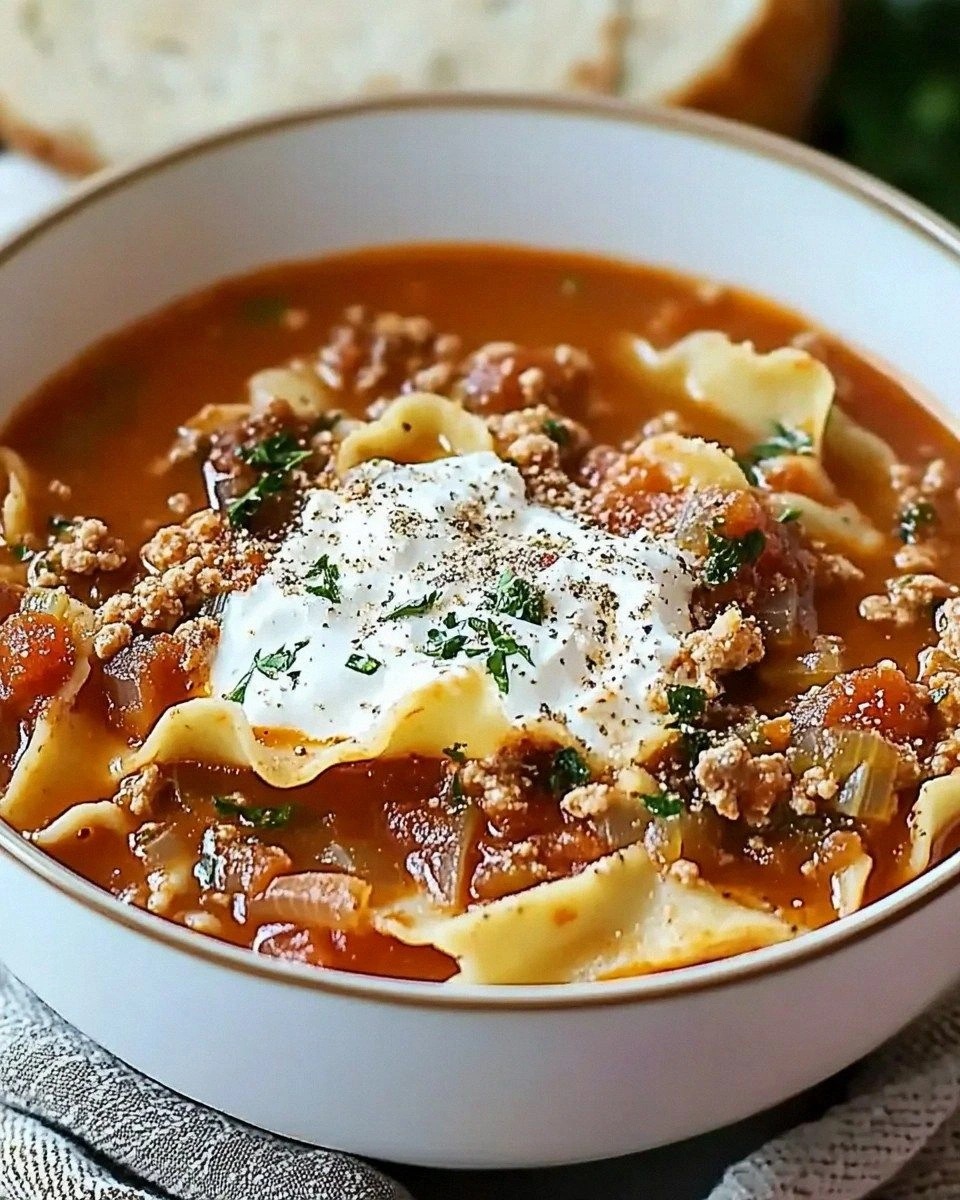
The Method — Step by Step
Heat the olive oil in a large Dutch oven over medium heat. When the oil shimmers, add the ground beef, breaking it up with a wooden spoon. Let it sizzle undisturbed for about 30 seconds, then stir. You’ll hear a faint crackle that signals the Maillard reaction—this is where the flavor magic begins. Cook until the beef is browned, about 5‑6 minutes, and then drain any excess fat if needed.
Drop in the diced onion and minced garlic. Stir constantly, letting the onion turn translucent and the garlic turn golden, about 3‑4 minutes. That sizzle when it hits the pan? Absolute perfection. If the mixture starts to stick, splash a tablespoon of the broth to deglaze and lift those caramelized bits.
Stir in the tomato paste, letting it fry for 2 minutes. This step deepens the tomato flavor, turning the paste a richer, darker shade. Then add the diced tomatoes (with their juices), tomato sauce, and Italian seasoning. Mix everything together, and watch the sauce thicken and bubble as if it’s excited to meet the pasta.
Pour in the chicken broth and water, stirring to combine. Bring the mixture to a gentle boil, then reduce to a simmer. At this point, the soup should smell like a bustling Italian kitchen—rich, herbaceous, and comforting. Let it simmer for 10 minutes, allowing the flavors to meld and the broth to develop a silky texture.
Season with sea salt and freshly cracked black pepper. Taste and adjust; remember, the broth will reduce slightly as the pasta cooks, intensifying the seasoning. This is the moment where you can truly make the soup your own—add a pinch more salt if it feels shy, or a dash of red pepper flakes for a subtle heat.
Now, add the bowtie pasta. Stir gently and set a timer for 8‑10 minutes, depending on the package instructions. Watch the pasta as it dances in the broth, soaking up the flavors. It should stay firm to the bite—this is crucial for that satisfying texture.
When the pasta is al‑dente, turn off the heat. Gently fold in the ricotta, shredded mozzarella, and half of the parmesan. The residual heat will melt the cheeses, creating ribbons of gooey goodness that swirl through the broth. If the soup looks too thick, splash in that extra cup of water we talked about—this revives the pasta’s bite and keeps the broth soupy.
Finish with a generous sprinkle of fresh parsley and the remaining parmesan. Let the soup sit for two minutes; this allows the flavors to settle and the cheese to fully integrate. Serve hot, and watch as the steam rises like a fragrant curtain, inviting you to dive in.
That's it — you did it. But hold on, I've got a few more tricks that'll take this to another level...
Insider Tricks for Flawless Results
The Temperature Rule Nobody Follows
Keep the broth at a gentle simmer, never a rolling boil, once the pasta is added. A high boil agitates the pasta, causing it to release starch and turn gummy. By maintaining a low, steady bubble, you preserve the broth’s clarity and the pasta’s texture. I once tried a rapid boil and ended up with a soup that felt like a thick tomato paste—lesson learned.
Why Your Nose Knows Best
Before you taste, trust your nose. The aroma will tell you if the seasoning is balanced. If you detect a sharp acidity, a pinch more sugar (or a splash of balsamic) can round it out. Conversely, if the scent is too sweet, a dash of extra pepper will bring back the savory edge.
The 5‑Minute Rest That Changes Everything
After you’ve stirred in the cheeses, let the soup rest uncovered for five minutes. This short pause allows the pasta to absorb the broth’s flavors fully and the cheese to set into a velvety coating. Skipping this step means the soup can feel disjointed, with cheese floating on top rather than integrating.
Parmesan Power Boost
Grate the parmesan yourself rather than using pre‑grated. Freshly grated cheese melts more uniformly and releases more umami. It also adds a subtle grainy texture that enhances the mouthfeel.
Prep Ahead, Serve Later
Make the soup up to the point of adding the pasta, then cool and refrigerate. When you’re ready to serve, reheat the broth, add fresh pasta, and finish with the cheeses. This method preserves the pasta’s texture and prevents it from becoming overly soft.
Creative Twists and Variations
This recipe is a playground. Here are some of my favorite ways to switch things up:
Spicy Sausage Swap
Replace the ground beef with Italian sausage (remove the casing for crumbles). The sausage’s fennel seed notes add a subtle heat and depth that pairs beautifully with the tomato broth.
Vegetarian Delight
Swap the beef for a medley of roasted mushrooms and lentils. The earthiness of mushrooms mimics the umami of meat, while lentils add protein and a pleasant bite.
Cheesy Overload
Increase the mozzarella to 4 ounces and add a handful of shredded provolone. This creates an even richer cheese pull, perfect for cheese lovers who can’t get enough.
Herb‑Infused Twist
Stir in a handful of fresh basil leaves just before serving. The basil’s sweet, peppery flavor lifts the soup, making it feel lighter and more aromatic.
Winter Warmth
Add a pinch of nutmeg and a splash of red wine to the broth. The nutmeg adds a warm, comforting note, while the wine deepens the overall richness—ideal for chilly evenings.
Storing and Bringing It Back to Life
Fridge Storage
Transfer the soup (without the pasta) to an airtight container and refrigerate for up to 4 days. Store the cooked pasta separately to prevent it from soaking up too much broth. When ready to eat, combine and heat gently.
Freezer Friendly
The broth freezes beautifully for up to 3 months. Portion it into freezer‑safe bags, leaving a little headspace. Thaw overnight in the fridge, then reheat and add fresh pasta.
Best Reheating Method
Reheat the soup on the stovetop over low heat, stirring occasionally. Add a tiny splash of water (or broth) before heating; this steams the pasta back to perfection and prevents the soup from drying out. Avoid microwave reheating if you can; it can cause uneven heating and rubbery pasta.