Love this? Pin it for later! 📌
Healthy Vegan Minestrone Soup for Plant Based Comfort
There's something magical about a pot of soup bubbling away on the stove while rain taps against the kitchen window. The aroma of garlic and tomatoes mingling with fresh herbs creates an atmosphere that instantly transforms any ordinary Tuesday into a cozy Italian trattoria experience. This healthy vegan minestrone has become my go-to recipe when life feels overwhelming, when friends drop by unexpectedly, or when I simply crave the comfort that only a steaming bowl of soup can provide.
My love affair with minestrone began during a particularly challenging winter when I was navigating the transition to plant-based eating. I missed the hearty, soul-warming soups of my childhood, but traditional minestrone recipes often relied on pancetta or chicken stock for depth. After months of experimentation, I discovered the secret to creating that same rich, complex flavor profile using entirely plant-based ingredients. The result is a soup that's not only more compassionate but also remarkably vibrant and nourishing.
What makes this recipe truly special is its versatility. Whether you're meal prepping for a busy week ahead, hosting a dinner party with mixed dietary preferences, or simply seeking a nutritious meal that satisfies both body and soul, this vegan minestrone delivers every single time. The combination of tender vegetables, protein-rich beans, and perfectly cooked pasta creates a complete meal that's as beautiful to look at as it is delicious to eat.
Why This Recipe Works
- Perfectly Balanced: Each spoonful delivers a harmonious blend of vegetables, beans, pasta, and herbs in the ideal proportions
- Depth Without Meat: Umami-rich ingredients like tomato paste, nutritional yeast, and herbs create complexity without animal products
- Weeknight Friendly: One-pot preparation means minimal cleanup and maximum efficiency for busy schedules
- Meal Prep Champion: Flavors deepen beautifully overnight, making it perfect for advance preparation
- Budget Conscious: Uses affordable pantry staples while feeling luxurious and restaurant-worthy
- Family Approved: Kid-friendly vegetables and familiar flavors make it a hit with even picky eaters
- Nutrient Dense: Packed with vitamins, minerals, fiber, and plant-based protein for optimal nourishment
Ingredients You'll Need
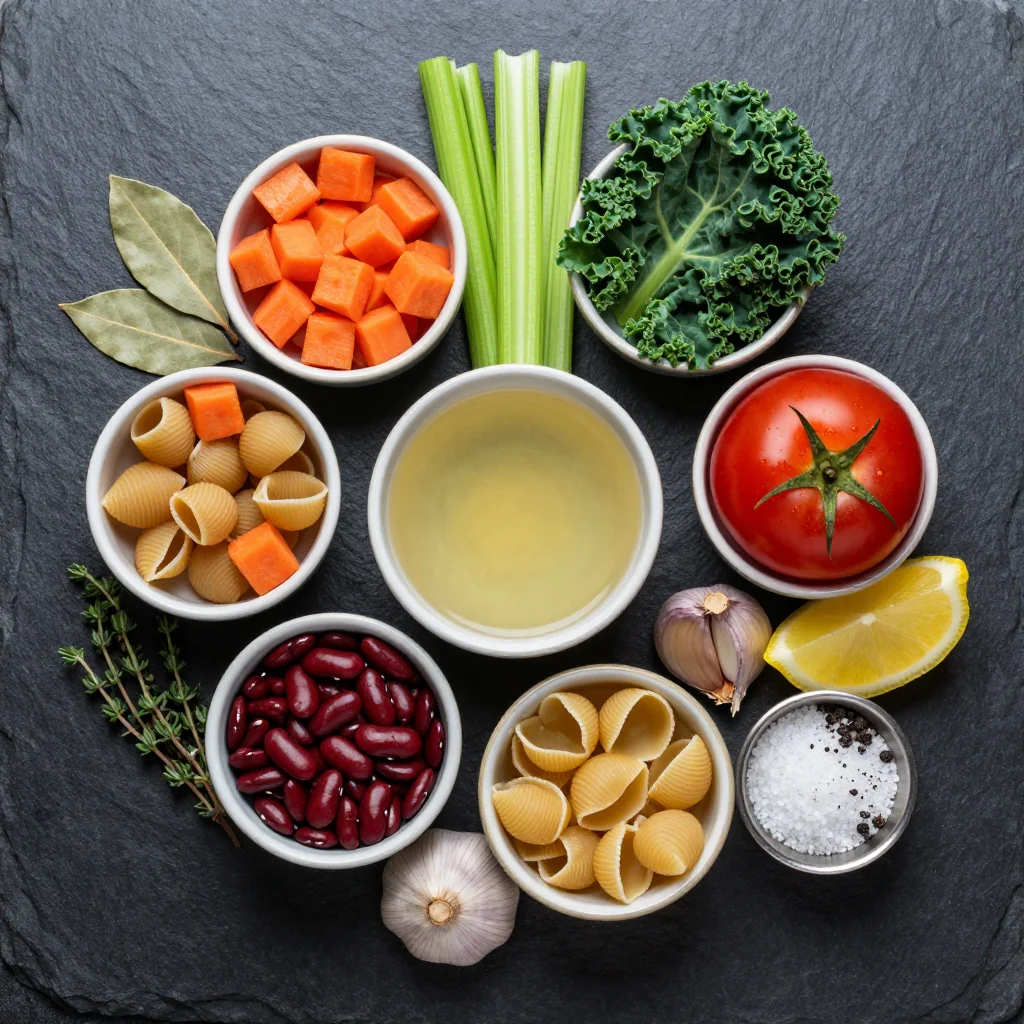
Creating an exceptional vegan minestrone starts with understanding each ingredient's role in building flavor and texture. While this soup celebrates simplicity, each component has been carefully selected to contribute something essential to the final dish.
Olive Oil: The foundation of any great Italian soup, extra virgin olive oil provides healthy fats and carries flavors throughout the dish. Look for cold-pressed varieties with a golden color and fruity aroma. Store in a cool, dark place to maintain freshness.
Onion: Yellow or white onions work beautifully here. They should feel heavy with dry, papery skin. Avoid any with soft spots or green sprouts, which indicate age and can create bitter flavors.
Carrots: Choose firm, bright orange carrots with smooth skin. If organic, keep the skins on for extra nutrients. Otherwise, peel them and save the peels for homemade vegetable stock.
Celery: Look for crisp stalks with fresh leaves still attached. The inner, paler stalks are more tender and blend seamlessly into the soup, while outer stalks add texture.
Zucchini: Small to medium zucchini have the best flavor and fewer seeds. Select ones that feel heavy for their size with glossy, unblemished skin.
Garlic: Fresh garlic cloves, not pre-minced, provide the pungent base notes that make this soup irresistible. Look for plump, firm cloves with no green sprouts.
Tomato Paste: This concentrated flavor bomb adds umami depth and beautiful color. Opt for double-concentrated paste in tubes for maximum flavor and easy storage.
White Beans: Cannellini or Great Northern beans provide creamy texture and plant-based protein. Canned are perfectly acceptable, but rinse them well to remove excess sodium.
Kidney Beans: Their distinctive shape and earthy flavor add visual appeal and nutritional variety. Choose BPA-free cans when possible.
Diced Tomatoes: Fire-roasted tomatoes add an extra layer of smoky complexity. San Marzano varieties offer superior sweetness and lower acidity.
Vegetable Broth: Low-sodium broth allows you to control seasoning. Homemade broth elevates this soup to restaurant quality, but quality store-bought works wonderfully.
Small Pasta: Traditional ditalini or small shells capture the broth beautifully. Gluten-free pasta works perfectly; just add it later in cooking to prevent mushiness.
Fresh Herbs: Basil and parsley add brightness at the end. Fresh herbs provide vitamin-packed flavor that dried herbs simply cannot match.
Nutritional Yeast: This vegan secret weapon adds cheesy, nutty flavor and B-vitamins. Look for fortified varieties in the supplement section.
How to Make Healthy Vegan Minestrone Soup for Plant Based
Prepare Your Mise en Place
Begin by washing and chopping all vegetables into uniform pieces. Dice onions, carrots, celery, and zucchini into ½-inch pieces. Mince the garlic finely. Having everything prepped before you start cooking ensures the soup develops its flavors properly and prevents any ingredients from burning while you scramble to chop the next vegetable.
Build the Flavor Foundation
Heat 3 tablespoons of olive oil in a heavy-bottomed Dutch oven or large pot over medium heat. When the oil shimmers, add diced onions with a pinch of salt. Cook for 4-5 minutes, stirring occasionally, until the onions become translucent and start to turn golden at the edges. This crucial step develops the soup's flavor base, so don't rush it.
Add Aromatic Vegetables
Add carrots and celery to the pot, stirring to coat with the oil and onions. Cook for another 5 minutes, allowing the vegetables to soften and develop sweetness. The mirepoix (onion, carrot, celery) combination is the backbone of countless Italian soups, creating a flavor foundation that makes everything else taste better.
Create Umami Depth
Stir in the minced garlic and tomato paste, cooking for 2 minutes until the tomato paste darkens from bright red to a deep brick color. This caramelization process concentrates the tomato flavor and adds incredible depth to the soup. The garlic should become fragrant but not browned.
Add Remaining Vegetables
Toss in the diced zucchini and season everything with salt and pepper. Cook for 3-4 minutes, stirring occasionally. The zucchini should begin to soften but still hold its shape. This brief cooking time preserves its vibrant green color and prevents it from becoming mushy in the final soup.
Build the Broth
Pour in the diced tomatoes with their juice, vegetable broth, and 2 cups of water. Add the bay leaf, dried oregano, and a generous pinch of red pepper flakes if using. Bring to a boil, then reduce heat to maintain a gentle simmer. This is where the magic happens as all the flavors meld together.
Add Beans and Simmer
Stir in the drained and rinsed white beans and kidney beans. Simmer uncovered for 15 minutes, allowing the beans to heat through and absorb the flavorful broth. The soup should start to thicken slightly as some of the beans break down naturally.
Cook the Pasta
Add the small pasta to the simmering soup and cook according to package directions, usually 7-9 minutes. Stir occasionally to prevent sticking. The pasta should be al dente, as it will continue to soften slightly in the hot soup.
Finish with Freshness
Remove the bay leaf and stir in the nutritional yeast, fresh basil, and parsley. Taste and adjust seasoning with salt and pepper as needed. The nutritional yeast adds a subtle cheesy flavor and extra B-vitamins, while the fresh herbs brighten everything up.
Rest and Serve
Allow the soup to rest for 5-10 minutes off heat before serving. This brief pause allows the flavors to settle and the temperature to drop slightly, preventing burned tongues and ensuring the perfect eating temperature. Serve hot with crusty bread and a drizzle of good olive oil.
Expert Tips
The Pasta Problem
If meal prepping, cook pasta separately and add to individual servings. This prevents the pasta from absorbing all the broth and becoming mushy during storage.
Broth Boost
Save your vegetable scraps in the freezer and make homemade broth. Onion skins, carrot tops, and celery leaves add incredible depth and reduce food waste.
Seasonal Adaptation
Swap vegetables based on seasonal availability. In spring, add asparagus tips and fresh peas. In winter, include butternut squash or sweet potatoes for extra heartiness.
Texture Perfection
For a creamier texture, mash some of the beans against the side of the pot before adding pasta. This creates a naturally thick broth without added starch.
Herb Timing
Add hardy herbs like rosemary or thyme early in cooking, but save delicate herbs like basil for the final minutes to preserve their bright flavor and color.
Umami Enhancement
Add a tablespoon of white miso paste or a small piece of kombu (dried kelp) while simmering for an extra boost of savory depth without changing the flavor profile.
Serving Temperature
Serve the soup at 140-150°F for optimal flavor release. Too hot and you can't taste the subtle flavors; too cool and the soup feels heavy and unappetizing.
Variations to Try
Green Minestrone
Replace traditional beans with cannellini beans and add a handful of fresh spinach, kale, or escarole during the last 5 minutes of cooking. Finish with lemon zest for brightness.
Spicy Tuscan
Add a generous pinch of crushed red pepper flakes and a tablespoon of harissa paste. Include Tuscan kale (lacinato) and finish with a drizzle of chili oil for heat lovers.
Summer Harvest
Use fresh corn kernels, cherry tomatoes, zucchini blossoms, and fresh basil. Replace dried herbs with fresh oregano and add a splash of white wine for brightness.
Winter Warmer
Include diced butternut squash, parsnips, and turnips. Add a Parmesan rind (if not strictly vegan) or extra nutritional yeast for richness. Serve with crusty whole grain bread.
Storage Tips
Proper storage is crucial for maintaining the soup's quality and food safety. This minestrone stores beautifully, making it an excellent choice for meal prep and batch cooking.
Refrigeration
Store in airtight containers for up to 5 days. Cool completely before refrigerating to prevent bacterial growth.
Freezing
Freeze without pasta for up to 3 months. Add freshly cooked pasta when reheating for best texture.
Reheating
Reheat gently on stovetop over medium-low heat, adding broth if needed. Avoid boiling to preserve texture.
For optimal meal prep, divide the soup into individual portions before storing. This allows for quick reheating and prevents repeated warming and cooling, which can compromise both safety and quality. Glass containers are ideal as they don't absorb flavors and can go directly from freezer to microwave if needed.
When freezing, leave at least an inch of headspace in containers as liquids expand when frozen. Label containers with contents and date, and place newer batches behind older ones to ensure proper rotation. The soup may appear slightly separated after thawing; this is normal and will come back together when reheated with gentle stirring.
Frequently Asked Questions
Absolutely! For slow cookers, sauté vegetables first for best flavor, then transfer to slow cooker with remaining ingredients except pasta and fresh herbs. Cook on low 6-8 hours or high 3-4 hours, adding pasta during the last 30 minutes. For Instant Pot, use sauté function for vegetables, then pressure cook on high for 6 minutes with quick release. Add pasta using sauté function until tender, then stir in fresh herbs.
Sauté vegetables in vegetable broth or water instead of oil, adding 2-3 tablespoons at a time as needed to prevent sticking. Start with onions first, adding more broth as they release their moisture. The key is patience and frequent stirring. You can also add a splash of white wine for extra flavor. The soup will be slightly less rich but still delicious and heart-healthy.
Minestrone is wonderfully forgiving! The essential vegetables are onion, carrot, and celery (the holy trinity of soup bases). Beyond that, use what you have: green beans, peas, corn, potatoes, sweet potatoes, spinach, kale, cabbage, or bell peppers all work beautifully. Frozen vegetables are perfectly acceptable additions. The key is adding vegetables in order of cooking time, starting with hardest vegetables first.
Yes! Dried beans offer superior texture and flavor. Soak 1 cup each of cannellini and kidney beans overnight, then cook until tender (about 1 hour on stovetop or 25 minutes in Instant Pot). Use the cooking liquid as part of your broth for extra flavor. You'll need about 3 cups cooked beans total. If short on time, use the quick-soak method: boil beans for 2 minutes, then let stand 1 hour before cooking.
Boost protein by adding 1 cup of red lentils during simmering (they'll cook down and thicken the soup), using chickpeas instead of kidney beans, or stirring in ½ cup of hemp hearts at the end. You can also serve with quinoa instead of pasta, or add cubed tofu during the last 5 minutes of cooking. Nutritional yeast also provides complete protein and B-vitamins.
Blandness usually indicates insufficient salt, acid, or umami. Add salt gradually, tasting after each addition. Brighten with a splash of lemon juice or red wine vinegar. Boost umami with tomato paste, nutritional yeast, or a teaspoon of white miso. Fresh herbs added at the end make a huge difference. Also ensure you're using quality vegetable broth rather than plain water.
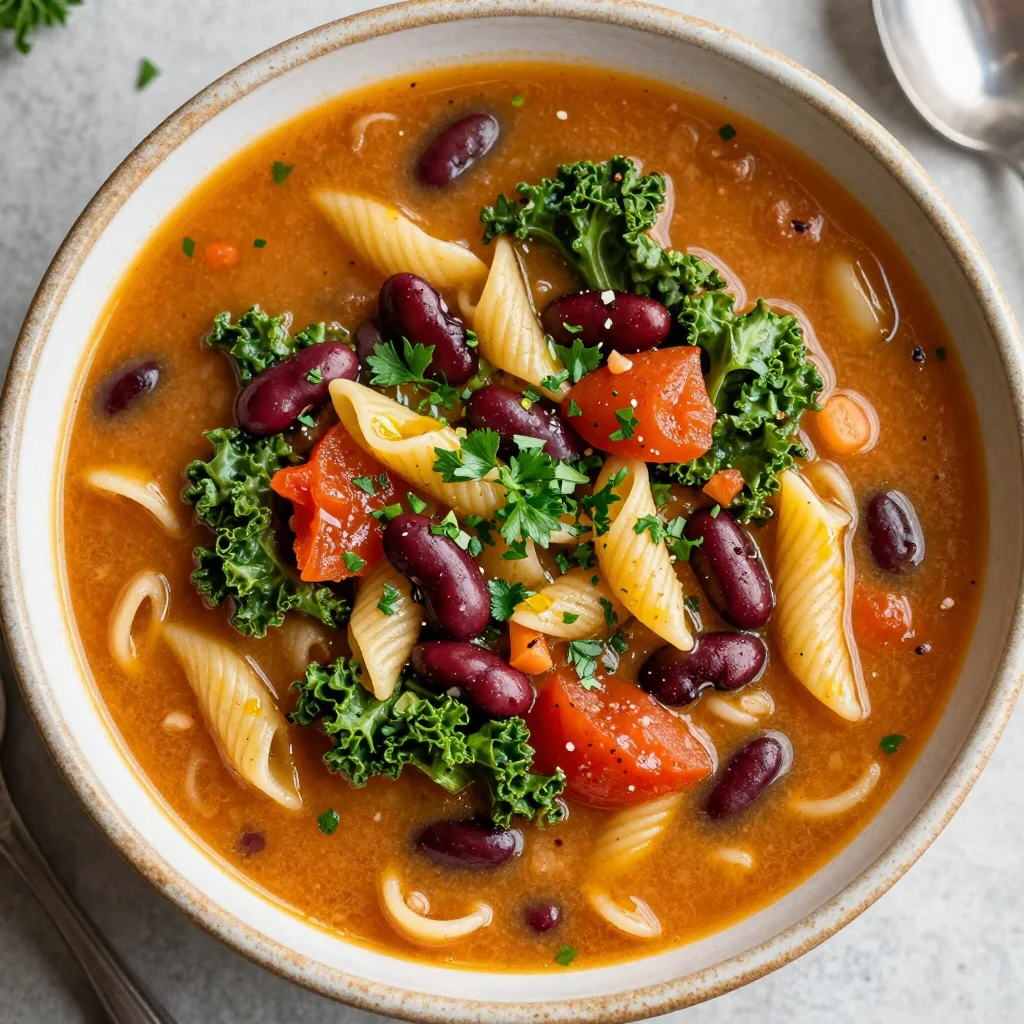
Healthy Vegan Minestrone Soup for Plant Based
Ingredients
Instructions
- Heat olive oil in a large Dutch oven over medium heat. Add onion with a pinch of salt and cook until translucent, 4-5 minutes.
- Add carrots and celery, cooking for 5 minutes until beginning to soften.
- Stir in zucchini, cooking for 3 minutes, then add garlic and tomato paste, cooking 2 minutes until fragrant.
- Pour in tomatoes, vegetable broth, water, bay leaf, oregano, and red pepper flakes. Bring to a boil.
- Add beans and reduce to a simmer, cooking uncovered for 15 minutes.
- Add pasta and cook according to package directions until al dente.
- Remove bay leaf and stir in nutritional yeast, basil, and parsley. Season with salt and pepper.
- Let rest 5 minutes before serving hot with crusty bread and a drizzle of olive oil.
Recipe Notes
For meal prep, cook pasta separately and add to individual servings to prevent mushiness. Soup thickens as it sits; thin with additional broth when reheating.