Love this? Pin it for later! 📌
Every January, as the nation pauses to honor Dr. Martin Luther King Jr.'s enduring legacy, my kitchen becomes a sanctuary of remembrance and hope. The aroma of sweet potatoes, cinnamon, and nutmeg wafting through the air transports me back to my grandmother's kitchen in Atlanta, where she taught me that food is more than sustenance—it's a bridge between generations, cultures, and dreams. This sweet potato pie isn't just a dessert; it's a celebration of resilience, a testament to the power of simple ingredients transformed into something extraordinary, much like the civil rights movement itself.
This particular recipe has been refined over countless family gatherings, church socials, and community celebrations. What makes it special for MLK Day is its accessibility—every ingredient can be found in a well-stocked pantry, making it perfect for impromptu gatherings or planned commemorations. The crust requires no special equipment, just your fingers and a bit of patience, while the filling celebrates the humble sweet potato, a staple in African American cuisine for centuries. Whether you're hosting a formal dinner or simply want to honor Dr. King's message of unity through food, this pie brings people together in the most delicious way possible.
Why This Recipe Works
- Pantry-Friendly: No specialty ingredients required—everything can be found in your kitchen right now
- No-Fail Crust: This press-in crust eliminates the intimidation factor of traditional pie dough
- Make-Ahead Magic: Tastes even better the next day, perfect for busy holiday schedules
- Cultural Connection: Honors African American culinary traditions central to MLK Day celebrations
- Beginner-Friendly: Detailed instructions ensure success even for novice bakers
- Freezer-Friendly: Bakes beautifully from frozen for up to 3 months
- Customizable: Easy to adapt for dietary needs without losing authentic flavor
Ingredients You'll Need
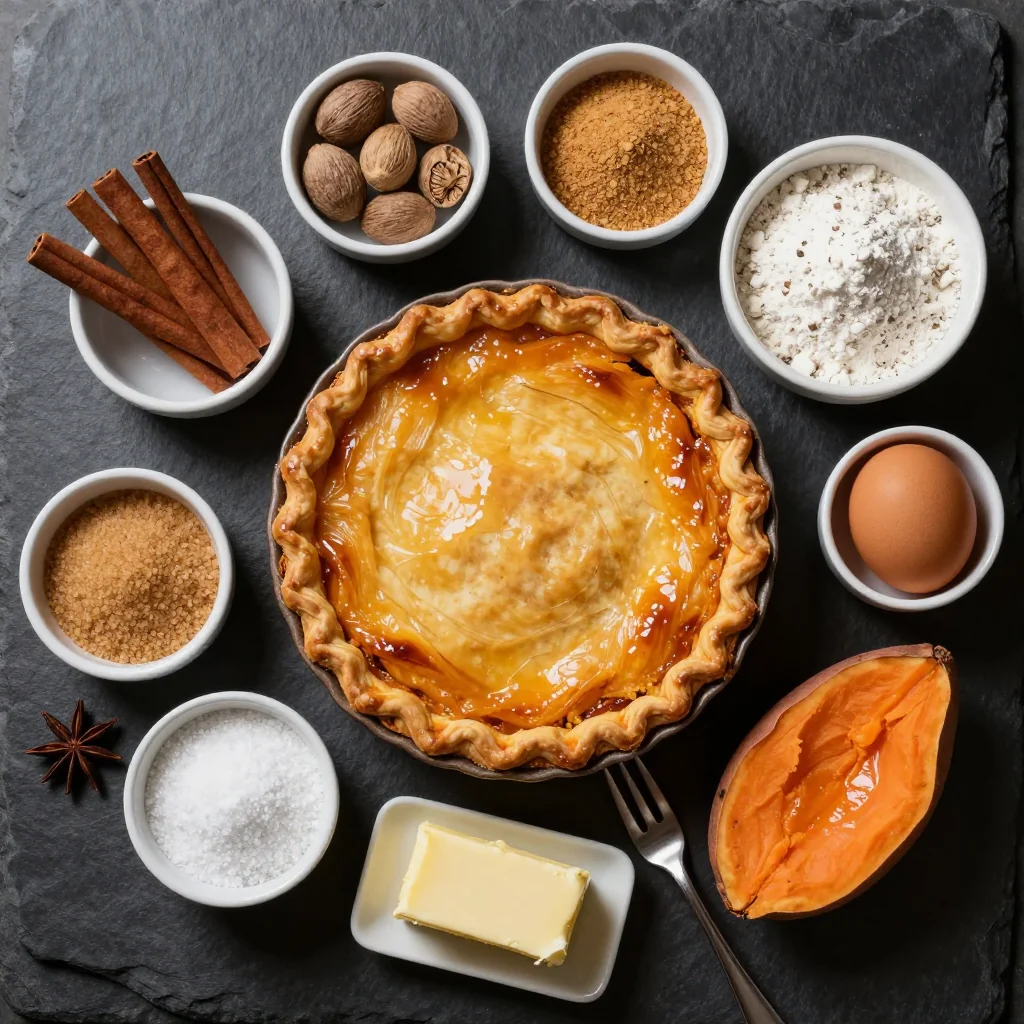
The beauty of this recipe lies in its simplicity, yet each ingredient plays a crucial role in creating the perfect balance of flavors and textures. Let's explore what makes each component essential and how to select the best quality ingredients for your pie.
For the Pantry Crust:
All-purpose flour (1½ cups) forms the structure of our crust. For the most tender results, use a low-protein flour like White Lily if you're in the South, or standard all-purpose flour elsewhere. The key is avoiding overworking the dough, which develops gluten and creates a tough crust.
Granulated sugar (2 tablespoons) adds subtle sweetness and helps the crust brown beautifully. In a pinch, you can substitute with brown sugar or even omit it entirely for a more savory crust.
Salt (½ teaspoon) is non-negotiable—it balances the sweetness and enhances all the other flavors. Use fine sea salt for the most even distribution.
Unsalted butter (6 tablespoons) should be very cold for the flakiest results. I keep a stick in the freezer specifically for pie crusts. If you only have salted butter, omit the additional salt in the recipe.
Ice water (3-4 tablespoons) brings the dough together. The ice-cold temperature prevents the butter from melting, which is crucial for flakiness.
For the Sweet Potato Filling:
Sweet potatoes (2 pounds, about 3 medium) are the star of the show. Look for firm, unblemished potatoes with smooth skin. The darker orange varieties tend to be sweeter and more flavorful. Avoid any with sprouts or soft spots.
Granulated sugar (¾ cup) sweetens the filling without overwhelming the natural sweetness of the potatoes. You can substitute with brown sugar for deeper molasses notes.
Eggs (3 large) provide structure and richness. Room temperature eggs incorporate more easily into the filling.
Evaporated milk (¾ cup) creates the signature silky texture. In a pinch, you can use half-and-half or whole milk, but the pie won't be quite as luxurious.
Unsalted butter (4 tablespoons, melted) adds richness and helps carry the flavors. Use good quality butter for the best results.
Pure vanilla extract (1 tablespoon) enhances all the other flavors. Please don't use imitation vanilla here—it makes a noticeable difference.
Ground cinnamon (1 teaspoon) should be fresh for the most vibrant flavor. Test yours by smelling it—if it doesn't smell strongly of cinnamon, it's time for a new jar.
Ground nutmeg (½ teaspoon) adds warmth and complexity. Freshly grated nutmeg is sublime if you have it.
Ground ginger (¼ teaspoon) provides subtle warmth without being identifiable.
Salt (½ teaspoon) balances the sweetness and makes all the spices pop.
How to Make Martin Luther King Jr. Day Sweet Potato Pie with Pantry Crust
Prepare the Sweet Potatoes
Begin by roasting your sweet potatoes for maximum flavor. Preheat your oven to 400°F (200°C). Scrub the potatoes clean and prick them all over with a fork. Place them directly on the oven rack (with a sheet pan on the rack below to catch any drips) and roast for 45-60 minutes until they're extremely tender when pierced with a knife. The roasting concentrates their natural sugars, creating a deeper, more complex flavor than boiling. Once cool enough to handle, peel away the skins—they should slip off easily. Pass the warm flesh through a potato ricer or food mill for the smoothest texture, or mash thoroughly with a potato masher, ensuring no lumps remain.
Make the Pantry Crust
In a medium bowl, whisk together the flour, sugar, and salt. Using the large holes of a box grater, grate the cold butter directly into the flour mixture. This clever technique creates perfectly sized pieces of butter distributed throughout the flour. Using your fingertips, gently toss the butter with the flour until it resembles coarse crumbs with some pea-sized pieces of butter remaining. Drizzle in 3 tablespoons of ice water, mixing with a fork just until the dough starts to come together. Add more water, a teaspoon at a time, if needed. The dough should hold together when squeezed but not be wet. Turn the dough out onto a piece of plastic wrap, press it into a 6-inch disk, wrap tightly, and refrigerate for at least 30 minutes or up to 3 days.
Roll and Shape the Crust
Remove the chilled dough from the refrigerator and let it sit for 5-10 minutes to soften slightly—this prevents cracking when rolling. On a lightly floured surface, roll the dough into a 12-inch circle, rotating it a quarter turn every few rolls and adding flour as needed to prevent sticking. Roll from the center outward for even thickness. Carefully transfer the dough to a 9-inch pie plate by rolling it loosely around your rolling pin and unrolling it over the plate. Gently press the dough into the bottom and up the sides, taking care not to stretch it. Trim the overhang to 1 inch, then fold it under itself to create a double thickness around the rim. Crimp decoratively using your fingers or a fork. Refrigerate the shaped crust for 30 minutes while you prepare the filling.
Create the Filling Base
Measure 2 cups of your perfectly smooth sweet potato puree into a large bowl. Any extra can be frozen for future pies or enjoyed as a side dish. Add the sugar, cinnamon, nutmeg, ginger, and salt, whisking until completely smooth. The key here is ensuring the sweet potatoes are still slightly warm—they'll absorb the sugar and spices more effectively, creating a more cohesive filling. Let this mixture cool to room temperature before adding the eggs to prevent scrambling.
Finish the Filling
Once the sweet potato mixture has cooled, whisk in the eggs one at a time, ensuring each is fully incorporated before adding the next. This creates a silky-smooth texture. Stir in the melted butter and vanilla extract until combined. Finally, whisk in the evaporated milk until the filling is homogeneous and glossy. The filling should be pourable but thick enough to mound slightly on a spoon. If it seems too thin, your sweet potatoes may have been watery—simply whisk in 1-2 tablespoons of flour to thicken.
Assemble the Pie
Preheat your oven to 350°F (175°C). Place your chilled pie crust on a baking sheet—this makes it easier to move and catches any potential spills. Pour the filling into the crust, smoothing the top with an offset spatula or the back of a spoon. The filling should come nearly to the top of the crust but not overflow. Gently tap the pie on the counter to release any air bubbles.
Bake to Perfection
Bake the pie on the center rack for 50-60 minutes, rotating it halfway through for even browning. The pie is done when the filling is set around the edges but still jiggles slightly in the center when you gently shake the pan. It will continue to set as it cools. If the crust begins to brown too quickly, tent it with foil. The filling may puff up slightly during baking and will settle as it cools—this is perfectly normal.
Cool and Serve
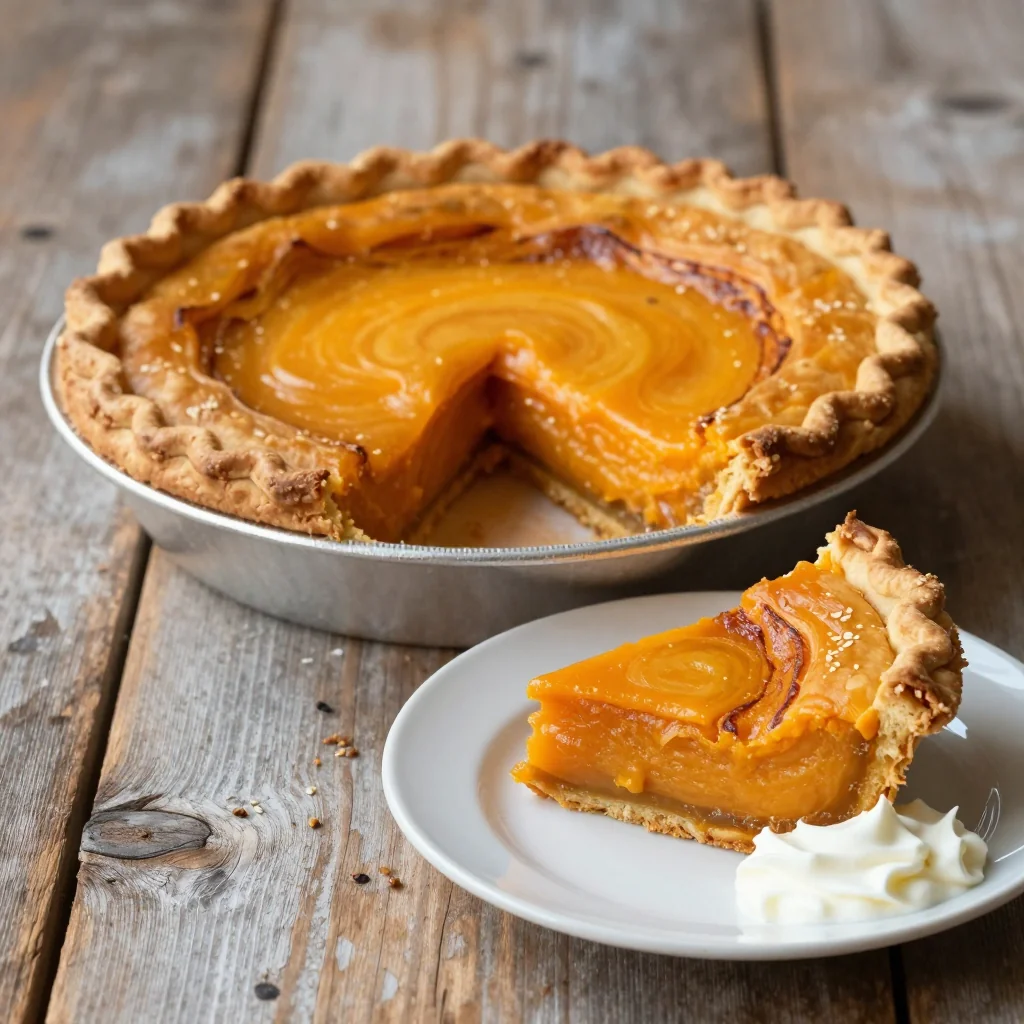
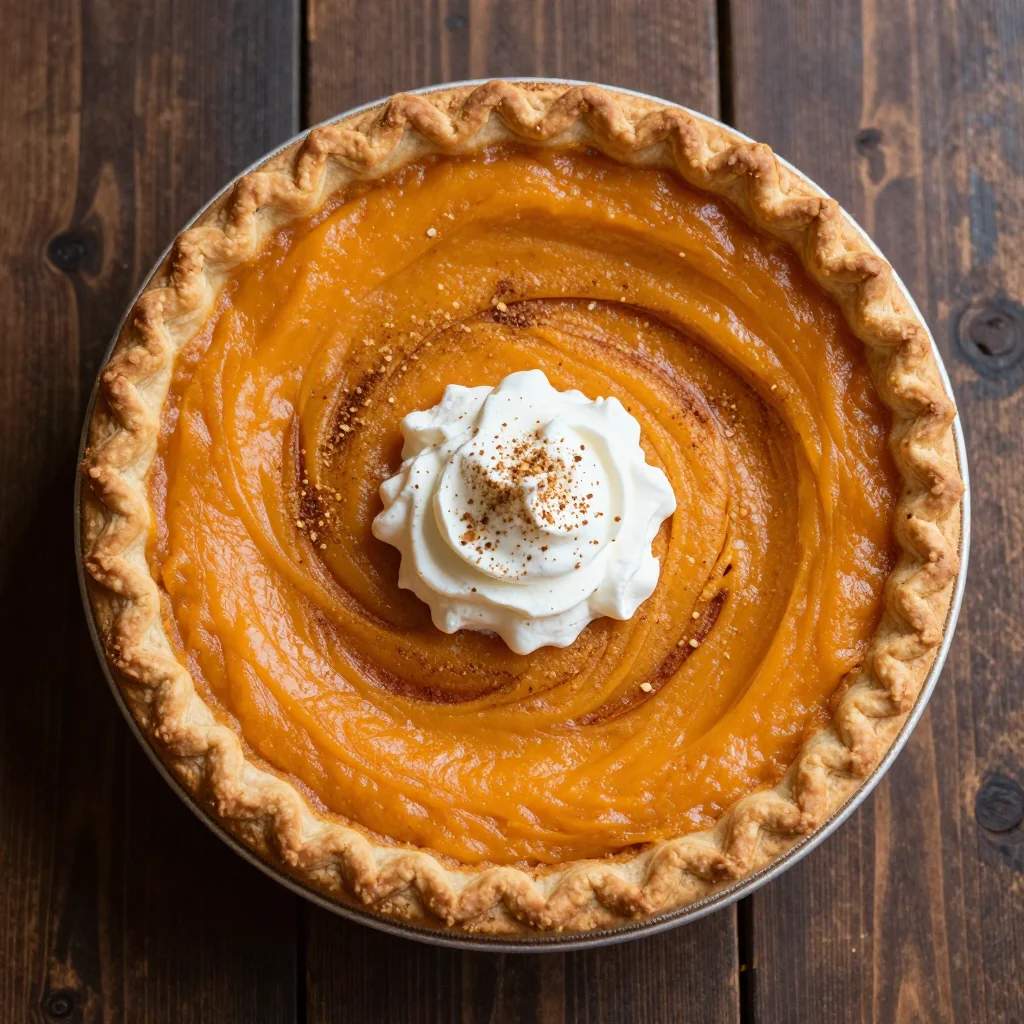
Cool the pie completely on a wire rack for at least 4 hours, preferably overnight. This cooling period is crucial—it allows the filling to set properly and the flavors to meld. Resist the temptation to slice into it while warm, as the filling will be too soft. Once cooled, the pie can be covered with plastic wrap and refrigerated for up to 4 days. Serve at room temperature or slightly chilled, with a dollop of freshly whipped cream if desired. Each slice tells a story of resilience, community, and the power of simple ingredients to create something extraordinary.
Expert Tips
Roast, Don't Boil
Roasting concentrates the sweet potato's natural sugars, creating a deeper, more complex flavor profile that boiling simply cannot achieve. The slight caramelization adds another layer of flavor that makes this pie exceptional.
Temperature Matters
Ensure all ingredients are at the proper temperature—cold for the crust, room temperature for the filling. This prevents common issues like tough crusts or curdled fillings.
Blind Bake Option
For an extra-crispy bottom crust, blind bake for 15 minutes before adding the filling. Line with parchment and fill with pie weights or dried beans to prevent puffing.
Spice to Taste
Adjust the spices to your preference. Some families prefer more cinnamon, others add a pinch of cloves or allspice. Make it your own while respecting the traditional flavor profile.
Prevent Cracks
Avoid overbaking, which causes cracks. The center should still jiggle slightly when you remove the pie—it will continue to set as it cools.
Make-Ahead Magic
This pie tastes even better the next day as the flavors meld. Bake it ahead of your celebration and refrigerate overnight for the best texture and flavor.
Variations to Try
Maple Sweet Potato Pie
Replace half the sugar with pure maple syrup for a New England twist that adds depth and complexity.
How: Reduce evaporated milk by 2 tablespoons to account for the extra liquid from maple syrup.
Bourbon-Glazed Pecan Topping
Add a Southern touch with a pecan praline topping that provides textural contrast.
How: Combine 1 cup pecans, 2 tablespoons bourbon, ¼ cup brown sugar, and 2 tablespoons butter; sprinkle over pie during last 15 minutes of baking.
Dairy-Free Version
Use coconut milk instead of evaporated milk and coconut oil instead of butter for a tropical twist.
How: Replace evaporated milk with full-fat coconut milk and butter with coconut oil in equal amounts.
Mini Sweet Potato Pies
Transform this into individual servings perfect for potlucks or portion control.
How: Press crust into muffin tins and reduce baking time to 20-25 minutes.
Storage Tips
Short-Term Storage
Cool the pie completely, then cover with plastic wrap or store in an airtight container. Refrigerate for up to 4 days. For the best texture, let refrigerated pie sit at room temperature for 30 minutes before serving.
Freezing Instructions
Wrap the completely cooled pie (whole or sliced) tightly in plastic wrap, then in aluminum foil. Freeze for up to 3 months. Thaw overnight in the refrigerator, then let come to room temperature before serving. The texture may be slightly softer after freezing but the flavor remains excellent.
Make-Ahead Options
The pie crust can be made up to 3 days ahead and stored in the refrigerator, or frozen for up to 3 months. The sweet potatoes can be roasted up to 5 days ahead and stored refrigerated. The entire pie can be baked up to 2 days ahead of serving—in fact, it tastes better this way!
Frequently Asked Questions
While fresh roasted sweet potatoes provide the best flavor, you can use canned in a pinch. Drain them well and pat dry with paper towels to remove excess moisture. You'll need about 2 cups of canned sweet potatoes. The flavor won't be quite as complex, but it will still be delicious. Avoid canned sweet potatoes packed in syrup—they're too sweet and will throw off the balance of your pie.
Cracks form when the pie is overbaked or experiences sudden temperature changes. The filling should still jiggle slightly in the center when you remove it from the oven—it will continue to set as it cools. Also, avoid cooling the pie in a drafty area or refrigerator while still warm. If your pie does crack, simply cover it with whipped cream or a pecan topping—no one will ever know!
Absolutely! This recipe is designed to be made entirely by hand. The grating technique for the butter ensures perfect distribution without any special equipment. If you prefer, you can also cut the butter in using two knives or a pastry cutter, but grating is faster and more effective. The key is keeping everything cold and not overworking the dough.
The pie is done when the filling is set around the edges but still jiggles slightly in the center (about a 2-inch circle). It should not be liquidy, but should move like gelatin when you gently shake the pan. A knife inserted near the center should come out mostly clean. The filling will continue to cook from residual heat as it cools. Overbaking is the most common mistake and leads to a dry, cracked pie.
You can reduce the sugar by up to 25% without significantly affecting the texture, but the pie will be less sweet and the spices more pronounced. If reducing sugar, consider adding an extra tablespoon of evaporated milk to maintain the proper consistency. For a naturally sweetened version, you can substitute with ½ cup maple syrup or honey, but reduce the evaporated milk by 2 tablespoons to account for the extra liquid.
While both pies use similar spices and custard bases, sweet potato pie has a richer, more complex flavor and smoother texture. Sweet potatoes are naturally sweeter than pumpkin, allowing for less added sugar. The texture is silkier, and the flavor is more pronounced. Sweet potato pie is also deeply rooted in African American culinary tradition, particularly in the South, while pumpkin pie is more associated with New England and general American Thanksgiving traditions.
Martin Luther King Jr. Day Sweet Potato Pie with Pantry Crust
Ingredients
Instructions
- Roast sweet potatoes: Prick whole sweet potatoes with fork, roast at 400°F for 45-60 minutes until tender. Cool, peel, and mash until smooth.
- Make crust: Whisk flour, sugar, and salt. Grate in cold butter, mix until crumbly. Add ice water to form dough. Chill 30 minutes.
- Roll and shape: Roll dough to 12-inch circle, transfer to 9-inch pie plate. Trim and crimp edges. Chill 30 minutes.
- Prepare filling: Whisk 2 cups sweet potato puree with sugar and spices. Cool slightly, then whisk in eggs, butter, vanilla, and evaporated milk.
- Bake: Pour filling into crust. Bake at 350°F for 50-60 minutes until set around edges but still slightly jiggly in center.
- Cool completely: Cool on wire rack at least 4 hours or overnight before serving for best texture and flavor.
Recipe Notes
For best flavor, roast sweet potatoes instead of boiling. Pie tastes even better the next day and can be frozen for up to 3 months. Serve at room temperature with whipped cream if desired.