I was staring at a pan of burnt pasta and a sheet of prosciutto that had turned into a charred relic, wondering if I should throw the whole kitchen into a culinary apocalypse. The moment that fire alarm screamed and the smell of smoke mingled with the faint scent of basil, I swore I’d never again trust a recipe that promised “simple” but delivered a mess. That night, a friend dared me to whip up something that would make even the most skeptical food critic swoon. I laughed, grabbed my apron, and vowed to prove that a single dish could rewrite the rules of comfort food.
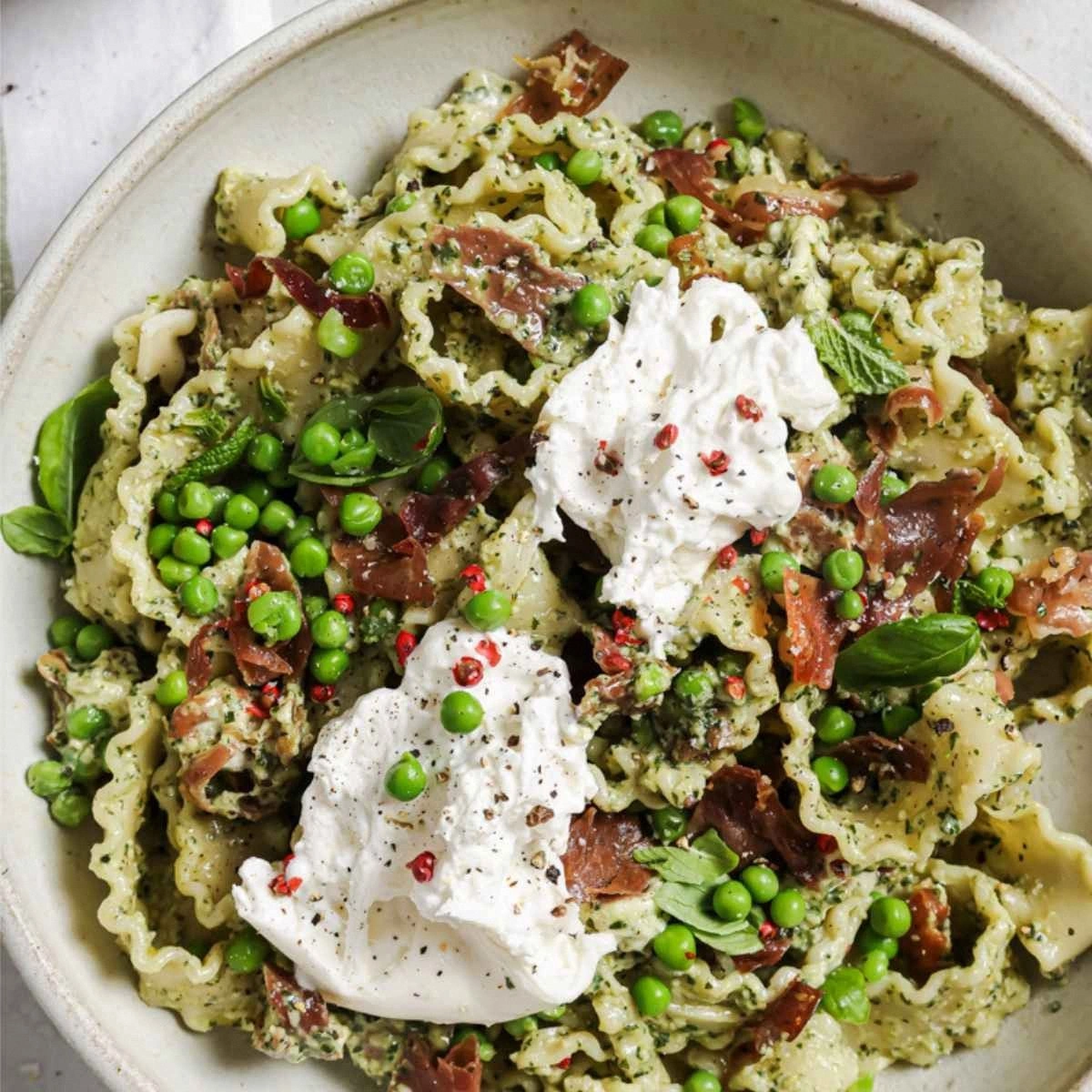
Picture this: a pot of al dente malfaldine, its strands glistening with a glossy, emerald pesto that smells like a sun‑kissed garden. The prosciutto curls crackle in a hot pan, releasing a salty perfume that mingles with the nutty aroma of toasted almonds. When the burrata is folded in, its creamy center swirls like a lazy river, turning every bite into a velvety splash. The final flourish—a squeeze of lemon and a dash of pink peppercorns—adds a bright, almost electric pop that lingers on the palate, leaving you craving a second plate. I dare you to taste this and not go back for seconds.
What makes this version the ultimate Pesto Prosciutto Pasta is not just the quality of the ingredients, but the way each element is orchestrated to dance together. The prosciutto is thinly sliced, not thickly cut, ensuring it crisps into golden ribbons that hold their shape. The basil and mint are blended with almonds, giving the pesto a layered texture that coats the pasta like velvet, yet still lets you feel the bite of the pasta. The burrata is added at the very end, so it melts just enough to create a luscious, creamy halo without becoming runny. And that pinch of pink peppercorns? It’s the secret that gives the dish a subtle heat that balances the richness.
And there’s a twist you won’t expect: a splash of reserved pasta water is folded in last, not to thin the sauce but to bind the flavors, creating a silky, cohesive coating that clings to every strand. This is hands down the best version you'll ever make at home. Picture yourself pulling this out of the oven, the whole kitchen smelling incredible, and watching the steam rise like a fragrant cloud. Stay with me here—this is worth it. Let me walk you through every single step—by the end, you'll wonder how you ever made it any other way.
What Makes This Version Stand Out
- Taste: The combination of basil, mint, and pink peppercorns creates a fresh, herbaceous profile that cuts through the richness of the prosciutto and burrata, delivering a balanced flavor that feels both indulgent and light.
- Texture: The al dente malfaldine offers a satisfying bite, while the toasted almonds add a subtle crunch that contrasts the creamy burrata and silky pesto.
- Visual Appeal: The bright green pesto, golden prosciutto ribbons, and pale burrata swirl together, making the dish a feast for the eyes before the first bite.
- Ingredient Quality: Using fresh, high‑quality basil, mint, and a single‑source prosciutto ensures the dish tastes like a gourmet restaurant, but you can still make it in your own kitchen.
- Ease of Assembly: The recipe requires minimal prep—just a few chopping steps and a quick sauté—making it a perfect weeknight dinner that feels special.
- Make‑Ahead Potential: The pesto can be prepared days in advance, and the pasta can be reheated with a splash of water, allowing you to serve a restaurant‑style dish even when you’re short on time.
- Versatility: Swap the prosciutto for pancetta or chicken, or replace the basil with parsley for a different twist, and you’ll find endless variations that keep the core concept intact.
- Guest Reaction: Friends rave about the unexpected pop of pink peppercorns and the buttery burrata, making it a conversation starter at dinner parties.
Inside the Ingredient List
The Flavor Base
Basil and mint are the heart of this dish, offering a bright, herbal punch that lifts the heavier components. Basil provides that classic green note that most pesto lovers crave, while mint adds a subtle coolness that keeps the dish from feeling too heavy. If you skip these herbs, the sauce will lose its signature vibrancy and feel flat. For a greener pesto, double the basil and reduce the mint to a tablespoon—this works well if you’re craving a more pronounced basil flavor.
When selecting basil, look for leaves that are bright green and free of yellowing or blemishes. Fresh mint should be tender, not wilted; a sprig that still clings to its stems indicates optimal flavor. If you can’t find fresh mint, a small pinch of dried mint will do, but the fresh version delivers a more aromatic experience. A quick tip: store the herbs in a glass of water, covered loosely with a plastic bag, in the refrigerator to keep them crisp for up to a week.
The lemon is more than a garnish; its acidity balances the richness of the burrata and the saltiness of the prosciutto. Squeeze the juice over the finished dish, then toss to combine. The zest can be grated into the pesto for an extra zing that lingers in every bite. If you’re feeling adventurous, add a teaspoon of lemon zest to the almond toast for a citrusy crunch that pairs beautifully with the basil.
The pink peppercorns are the secret weapon that adds a gentle heat without overpowering the dish. They’re milder than black pepper, delivering a subtle floral note that complements the herbs. If you can’t locate pink peppercorns, a pinch of crushed red pepper flakes will provide a similar heat, but be careful not to overdo it. The peppercorns should be added at the end of the cooking process to preserve their delicate flavor.
The reserved pasta water is the unsung hero that binds the sauce. Its starch content helps the pesto cling to the pasta, creating a silky coating that doesn’t separate. Save about a cup of pasta water before draining, then whisk it into the sauce at the last minute. If you’re cooking for a crowd, you may want to reserve more water to ensure each plate gets the same silky texture.
The Texture Crew
Alfaldine pasta is chosen for its long, thin strands that hold sauce beautifully, allowing each bite to be a harmonious blend of flavors. Its slightly thicker texture compared to spaghetti gives it a satisfying chew that pairs well with the crunchy almonds. If you prefer a different shape, linguine or fettuccine works just as well, but the long strands provide the best canvas for this sauce.
Frozen peas add a pop of color and a sweet, earthy note that balances the savory prosciutto and creamy burrata. Thaw them quickly in a hot pan before adding to the sauce; this ensures they remain crisp and vibrant. If you’re using fresh peas, blanch them in boiling water for 30 seconds, then shock them in ice water to preserve their bright green hue.
The almonds are toasted to bring out their nutty flavor and add a satisfying crunch. Toast them in a dry skillet over medium heat until golden, stirring frequently to prevent burning. Once toasted, let them cool before adding to the pesto. The crunch they provide contrasts beautifully with the smooth burrata, creating a textural dance in every bite.
The Unexpected Star
Burrata is the star that elevates this dish from good to unforgettable. Its creamy center is a luxurious surprise that melts into the pesto, creating a rich, velvety coating that clings to the pasta. The burrata’s subtle tang balances the saltiness of the prosciutto and the sharpness of the parmesan, creating a harmonious flavor profile. If you can’t find burrata, a small ball of fresh mozzarella or a few spoonfuls of cream cheese can work, but the unique texture of burrata is irreplaceable.
When adding burrata, slice it into thin wedges to ensure it melts evenly. Add it to the sauce just before serving so it retains its soft, molten center. If you prefer a stronger cheese flavor, sprinkle extra grated parmesan on top, but remember that the burrata’s creaminess is the dish’s hallmark.
The Final Flourish
The prosciutto is the savory, salty component that gives the dish depth. Slice it thinly so it crisps quickly and forms delicate ribbons that coat the pasta. The prosciutto should be added at the very end, allowing it to retain its crispness and to release its flavor just before plating. If you’re looking for a vegetarian twist, replace the prosciutto with thin slices of roasted pancetta or a handful of sautéed mushrooms.
The final flourish of lemon zest, a pinch of pink peppercorns, and a drizzle of extra virgin olive oil tie all the elements together. The olive oil adds a silky finish and a subtle fruity note that complements the basil. The lemon zest’s bright citrus notes cut through the richness, while the pink peppercorns add a gentle heat that lingers. Together, these finishing touches elevate the dish from simple pasta to a gourmet experience.
Everything’s prepped? Good. Let’s get into the real action.
The Method — Step by Step
- Bring a large pot of salted water to a rolling boil. Drop in the malfaldine and cook according to package instructions until al dente, usually about 8–10 minutes. Reserve a cup of pasta water before draining, then set the pasta aside. The pasta should still be slightly firm to the bite, providing a sturdy base for the sauce.
- While the pasta cooks, heat a large skillet over medium heat. Add the thinly sliced prosciutto and sauté until it starts to crisp and release its oils, about 3–4 minutes. The prosciutto should be golden brown but not burnt, offering a crunchy texture that contrasts the pasta.
- In a separate pan, toast the almonds over medium heat until they’re golden and fragrant, about 5 minutes. Stir constantly to avoid burning. Once toasted, transfer them to a bowl and let them cool; they’ll add a satisfying crunch to the sauce.
- In a food processor, combine the fresh basil, fresh mint, toasted almonds, 3/4 cup extra virgin olive oil, 1/2 cup grated parmesan, 1 garlic clove, and a pinch of salt. Pulse until a coarse paste forms, then add a splash of reserved pasta water to achieve a silky consistency. The pesto should coat a spoon without being watery.
- Return the drained pasta to the pot, then pour in the pesto. Toss vigorously to coat each strand evenly, adding a splash of reserved pasta water if needed to loosen the sauce. The pasta should be glossy and coated, not clumped.
- Add the sautéed prosciutto, frozen peas, and a pinch of pink peppercorns to the pan. Stir gently to combine, letting the peas warm through and the prosciutto remain crisp. This step ensures the flavors meld without losing texture.
- Slice the burrata into thin wedges and arrange them on top of the pasta. Drizzle with a little extra virgin olive oil, squeeze a wedge of lemon over the dish, and sprinkle the remaining pink peppercorns. The burrata should melt slightly, creating a creamy, luxurious coating that clings to the pasta.
- Serve immediately, garnishing with a few fresh basil leaves and a light dusting of grated parmesan if desired. The dish should smell like a fresh garden, taste like a savory, creamy dream, and feel like a culinary triumph. That sizzle when it hits the pan? Absolute perfection.
That’s it — you did it. But hold on, I've got a few more tricks that'll take this to another level.
Insider Tricks for Flawless Results
The Temperature Rule Nobody Follows
Keep the skillet on medium heat when sautéing the prosciutto. If the heat is too high, the prosciutto will burn before it crisps, creating a bitter flavor that ruins the dish. A medium setting allows the fat to render slowly, producing crisp ribbons that hold their shape. When the prosciutto releases its oils, you’ll hear a satisfying sizzle that signals it’s ready.
Why Your Nose Knows Best
Before adding the pesto to the pasta, give the sauce a quick sniff. If it smells more like raw herbs than a toasted mixture, add a little more olive oil and pulse again. The aroma of toasted almonds and garlic should dominate, giving the dish a warm, comforting scent that invites you to taste.
The 5‑Minute Rest That Changes Everything
After tossing the pasta with the pesto, let it rest for five minutes off the heat. This short rest allows the pasta to absorb the sauce fully, ensuring each strand is coated evenly. It also gives the flavors time to meld, resulting in a richer taste. If you rush, the sauce may separate and the pasta will feel dry.
The Secret of the Lemon
When squeezing the lemon, press the juice into a small bowl first. This technique prevents seeds from falling into the dish and gives you better control over the amount of acidity. A fresh squeeze balances the saltiness of the prosciutto and the creaminess of the burrata, creating a bright, lively finish.
The Final Toss
Just before serving, toss the pasta one more time with a splash of reserved pasta water. This final touch glazes the pasta, giving it a glossy, professional appearance. It also ensures the sauce clings to every strand, preventing it from sliding off when you plate.
Creative Twists and Variations
This recipe is a playground. Here are some of my favorite ways to switch things up:
Pesto with Sun‑Dried Tomatoes
Swap half the basil with sun‑dried tomatoes for a sweeter, tangy pesto. The sun‑dried tomatoes add depth and a chewy texture that contrasts the creamy burrata. This variation works best with a pinch of oregano for an Italian touch.
Spicy Arrabbiata Twist
Add a teaspoon of red pepper flakes to the pesto for an arrabbiata kick. The heat pairs wonderfully with the prosciutto’s saltiness and the burrata’s richness. Serve with a side of crusty bread to soak up the extra sauce.
Pesto with Roasted Garlic
Roast a whole garlic bulb in the oven until caramelized, then squeeze the cloves into the pesto. The roasted garlic brings a mellow, sweet flavor that balances the bright basil. This version is perfect for a cozy, comforting dinner.
Mediterranean Chickpea Add‑in
Stir in a cup of cooked chickpeas for a protein boost. The chickpeas add a subtle nuttiness and a hearty texture that makes the dish more filling. Pair with a side of Greek salad for a complete Mediterranean meal.
Pesto with Pine Nuts
Replace the almonds with toasted pine nuts for a subtle, buttery flavor. Pine nuts bring a silky texture that complements the pesto’s smoothness. This variation is ideal for a refined, elegant dinner party.
Pesto with Avocado
Blend half a ripe avocado into the pesto for a creamy, nutrient‑rich twist. The avocado adds a buttery mouthfeel and a dose of healthy fats. Serve with a sprinkle of sea salt and a drizzle of extra virgin olive oil for a fresh, vibrant dish.
Storing and Bringing It Back to Life
Fridge Storage
Store leftover pasta in an airtight container in the refrigerator for up to 2 days. Keep the sauce and pasta separate until ready to serve; this prevents the pasta from becoming soggy. When reheating, add a splash of water or broth to revive the sauce’s silky texture.
Freezer Friendly
Freeze the pesto separately in an ice‑cube tray for up to 3 months. Once frozen, transfer the cubes to a freezer bag. The pesto can be thawed in the refrigerator overnight, then warmed gently before adding to the pasta.
Best Reheating Method
Reheat the pasta in a skillet over low heat, stirring frequently. Add a tablespoon of reserved pasta water or a splash of olive oil to prevent sticking. The dish should be heated through but not boiled, maintaining the al dente texture and creamy sauce.