Love this? Pin it for later! 📌
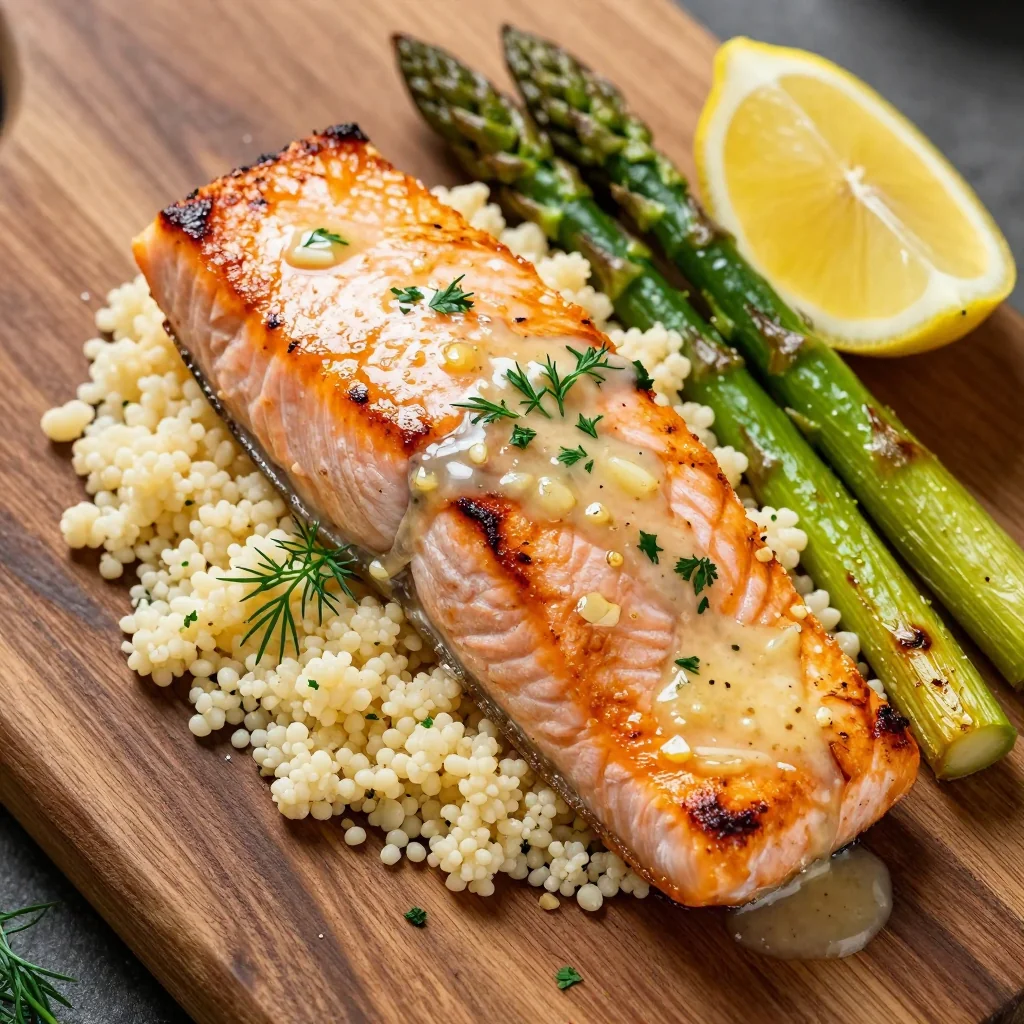
I first stumbled onto this technique when I was recipe-testing for a magazine piece on 30-minute meals. I wanted the speed of a skillet sear but the gentle, even cooking of the oven. The solution? Start the salmon in a screaming-hot cast-iron pan on the stove to get that crave-worthy crust, then slide the whole pan into the oven to finish. While the salmon roasts, the same skillet (don't you dare rinse it out) becomes the vessel for the garlickiest, lemoniest, parsley-flecked butter sauce that you'll want to drizzle over everything—rice, roasted broccoli, a hunk of crusty bread, or, honestly, a spoon.
Over the years I've streamlined the ingredient list to staples I always keep on hand: butter I freeze in tablespoon portions, garlic I buy pre-peeled (no shame), a reliable two-pound side of salmon that I portion myself, and the kind of kosher salt that livens up everything it touches. The end result tastes like a Friday-night treat but fits neatly into manic Tuesdays. My neighbors have started asking for the recipe after smelling it through the open windows. My kids have declared the crispy edges "salmon bacon" and fight over them. Even my fish-hesitant husband requests this once a week. If that isn't a ringing endorsement, I don't know what is.
Why This Recipe Works
- One-pan wonder: The same skillet sears, roasts, and sauces, meaning fewer dishes and more flavor fond.
- Speedy stovetop-to-oven method: A 3-minute stove sear plus 7-minute oven finish yields perfectly medium centers without overcooking.
- Compound butter upgrade: Softened butter, micro-planed garlic, and lemon zest melt into a luxurious sauce in seconds.
- Flexible fillets: Works with individual portions or a whole side of salmon; both cook evenly thanks to the ambient oven heat.
- Pantry staple friendly: You likely have everything on hand right now—no specialty condiments required.
- Meal-prep hero: Cold leftovers flake beautifully over salads, rice bowls, or tucked into quesadillas for tomorrow's lunch.
- Kid-approved flavor: The buttery garlic sauce mellows any "fishy" notes, making salmon converts out of skeptics.
Ingredients You'll Need
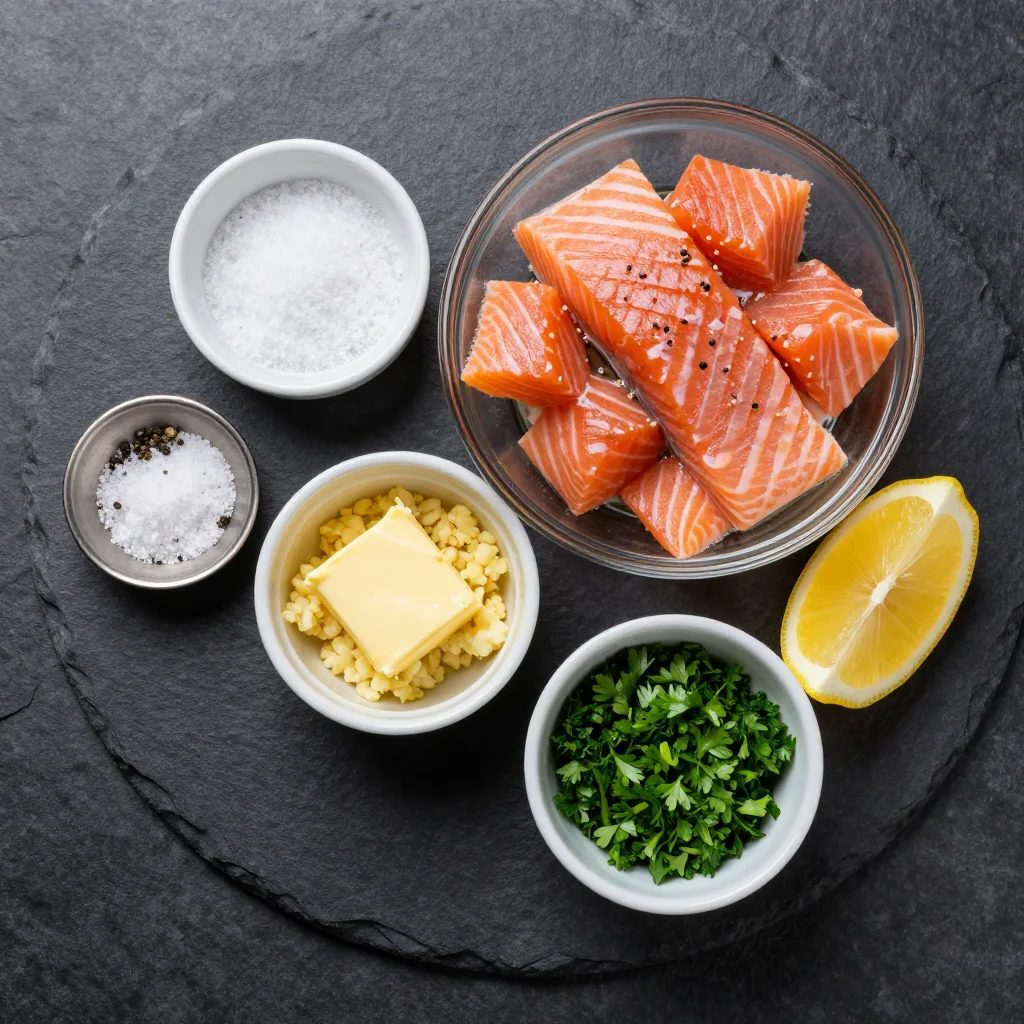
Picking salmon can feel overwhelming—Atlantic vs. wild, Coho vs. King, fresh vs. frozen. For weeknight ease, I reach for responsibly farmed Atlantic or wild-caught Coho fillets about 1¼ inches thick. Ask your fishmonger to remove pin bones or run your fingers along the flesh and use needle-nose pliers; removing them prevents any unwelcome crunch.
Butter is the backbone of the sauce. I keep a stash of high-fat European-style butter for finishing dishes because the extra butterfat carries flavors beautifully. If you only have regular salted butter, reduce the added kosher salt by half. Garlic should feel firm and have tight skins; avoid any green sprouts which taste bitter. For a mellower garlic flavor, smash the cloves and let them sit in the melted butter for a minute before adding the lemon juice.
Fresh lemon is non-negotiable; bottled juice tastes dull and can turn the butter cloudy. Zest the lemon before juicing—it releases essential oils that perfume the sauce. Flat-leaf parsley holds up to heat better than curly, but if you have fresh dill or chives, fold them in at the end for a different vibe. Finally, a good flake salt like Maldon sprinkled right before serving adds pops of salinity and crunch that make restaurant food addictive.
Substitutions? If you're dairy-free, swap the butter for a high-quality vegan butter or even two tablespoons of olive oil whisked with a teaspoon of nutritional yeast for umami. For a lower-cholesterol route, replace half the butter with aquafaba (the liquid from a can of chickpeas) and whisk vigorously to emulsify. And if salmon isn't your favorite, thick cod loins or arctic char follow the exact method with equally scrumptious results.
How to Make Quick Garlic Butter Salmon for Weeknight Meals
Preheat & Prep
Position a rack in the center of your oven and preheat to 425°F (220°C). Pat the salmon very dry with paper towels—excess moisture is the enemy of browning. Season both sides generously with kosher salt and a few grinds of black pepper. Let the fillets rest on a plate skin-side down while the pan heats; this short rest helps the salt penetrate.
Heat the Skillet
Place a 12-inch cast-iron or other heavy, oven-safe skillet over medium-high heat for 2 minutes. Add 1 tablespoon of olive oil; it should shimmer immediately but not smoke. Swirl to coat. A properly pre-heated pan ensures the skin crisps and releases without tearing.
Sear Skin-Side Up
Lay the salmon fillets flesh-side down (skin-side up) in the pan. You should hear a confident sizzle—if not, remove and wait 30 seconds more. Sear without moving for 3 minutes. Resist the urge to poke; the crust forms when the surface has uninterrupted contact with hot metal.
Flip & Transfer to Oven
Using a thin metal spatula, flip each fillet; the released side should be deep golden. Immediately transfer the entire skillet to the preheated oven. Roast 4–7 minutes, depending on thickness. A digital probe set to 125°F for medium-rare or 130°F for medium keeps you safe from overcooking.
Start the Garlic Butter
Carefully remove the skillet from the oven (handle's hot!) and transfer salmon to a warm plate. Return the skillet to medium heat. Add 3 tablespoons butter. When foamy, add minced garlic; cook 30 seconds until fragrant but not browned. Stir in lemon zest, juice, and a pinch of red-pepper flakes.
Emulsify & Finish
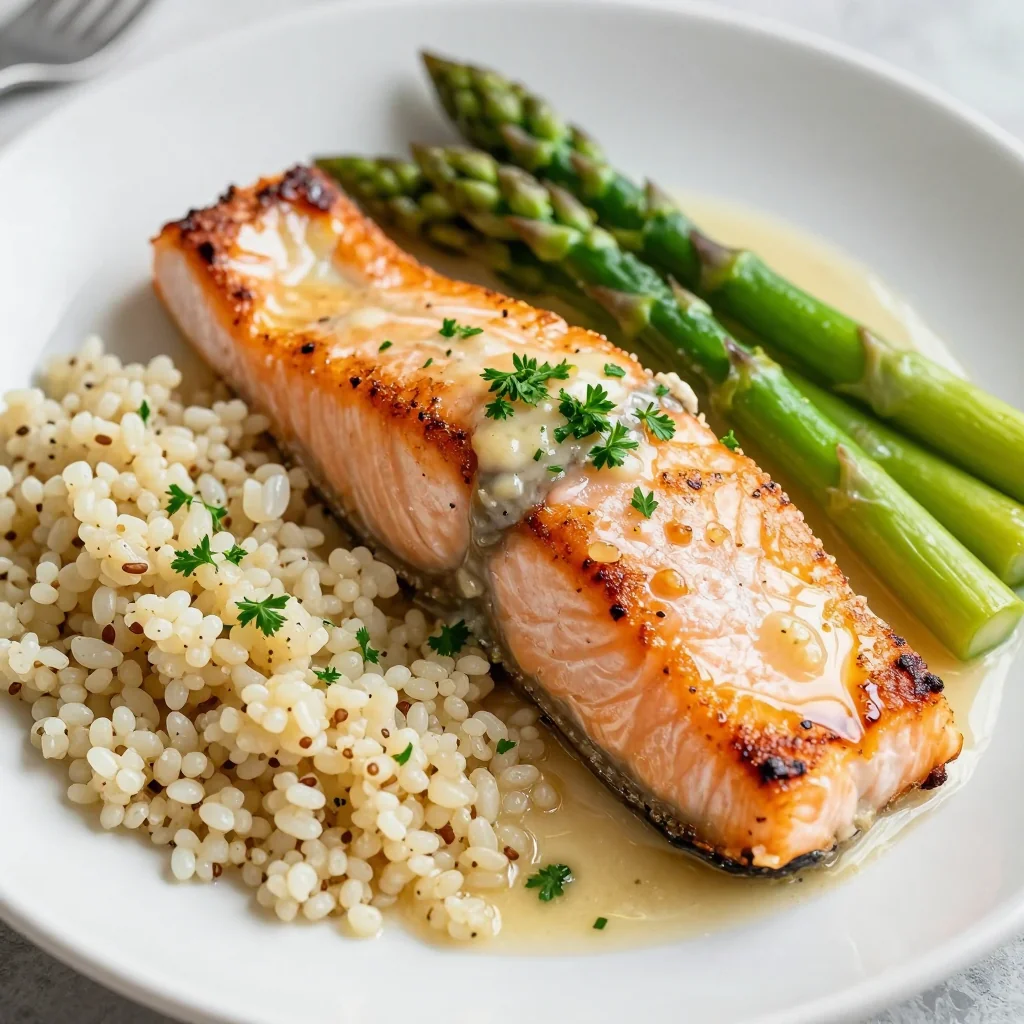
Whisk remaining 1 tablespoon cold butter into the sauce; this lowers the temperature and creates a glossy emulsion that clings to the fish. Return salmon to the skillet, spooning sauce overtop. Garnish with parsley and serve straight from the pan for rustic appeal.
Expert Tips
Don't Fear the Heat
Starting the salmon in a ripping-hot pan sets the proteins quickly so the fillet releases easily. If your fish sticks, chances are the pan wasn't hot enough or the skin is wet.
Carry-Over Cooking
Salmon continues to cook after you remove it from the oven. Target 5°F below your desired doneness and let it rest; you'll be rewarded with buttery, translucent centers.
Dry = Crisp
Use a paper towel to wick away moisture on the surface of the fish. Water steams and inhibits browning, so this tiny step is the difference between pale and golden.
Color Cue
Look for the thickest part of the fillet to turn opaque coral. If you see any shimmering translucent streaks, give it another minute in the oven.
Cold Butter Finish
Whisking in a nugget of cold butter off-heat gives the sauce viscosity and shine, the same technique French chefs use for restaurant-quality pan sauces.
Handle with Care
Remember the skillet handle stays scorching after the oven. Drape a thick kitchen towel over it as a visual reminder and prevent accidental burns.
Variations to Try
-
Spicy Cajun: Swap the red-pepper flakes for 1 teaspoon Cajun seasoning and finish with chopped scallions and a squeeze of lime.
-
Asian-Inspired: Replace lemon juice with 2 tablespoons soy sauce plus 1 tablespoon rice vinegar; garnish with sesame seeds and cilantro.
-
Creamy Mustard: Whisk 1 tablespoon whole-grain mustard into the finished butter sauce for tangy depth.
-
Herb Swap: No parsley? Try fresh tarragon or chives for a subtle anise or onion note.
-
Whole30: Use ghee instead of butter and omit the splash of wine; add ½ cup cherry tomatoes for extra moisture and sweetness.
-
Parchment Packs: For fool-proof cleanup, cook seasoned salmon in parchment parcels with butter and garlic at 400°F for 12 minutes.
Storage Tips
Refrigerate: Cool leftover salmon within 2 hours. Store in an airtight container up to 3 days. To reheat gently, place fillets in a skillet over low heat with a splash of water, cover, and steam 4 minutes until just warmed through. Microwaves work in a pinch, but use 50% power to prevent rubbery texture.
Freeze: Wrap each portion tightly in plastic, then foil, and freeze up to 2 months. Thaw overnight in the refrigerator and reheat as above. The texture will be slightly firmer, so flake and toss into pasta or salads rather than serving as standalone fillets.
Make-Ahead Components: The garlic butter sauce can be prepared, cooled, and refrigerated for 5 days. Warm gently before spooning over freshly cooked fish, chicken, or roasted vegetables.
Frequently Asked Questions
Quick Garlic Butter Salmon for Weeknight Meals
Ingredients
Instructions
- Preheat oven: Place rack in center; heat to 425°F. Pat salmon dry; season with salt and pepper.
- Sear: Heat olive oil in a 12-inch cast-iron skillet over medium-high. Add salmon flesh-side down; sear 3 minutes without moving.
- Roast: Flip; transfer skillet to oven. Roast 4–7 minutes to desired doneness (125°F for medium-rare).
- Make sauce: Remove salmon to plate. Return skillet to medium heat; melt 3 tablespoons butter. Add garlic; cook 30 seconds. Stir in lemon zest, juice, and pepper flakes.
- Finish: Whisk in remaining 1 tablespoon cold butter until silky. Return salmon to skillet; spoon sauce over. Garnish with parsley.
- Serve: Offer lemon wedges and pan sauce over rice or mashed potatoes.
Recipe Notes
For crispy skin, leave fillets skin-side down in step 2 an extra minute. Use a splatter guard to keep stovetop clean. Sauce doubles as dressing for steamed vegetables.