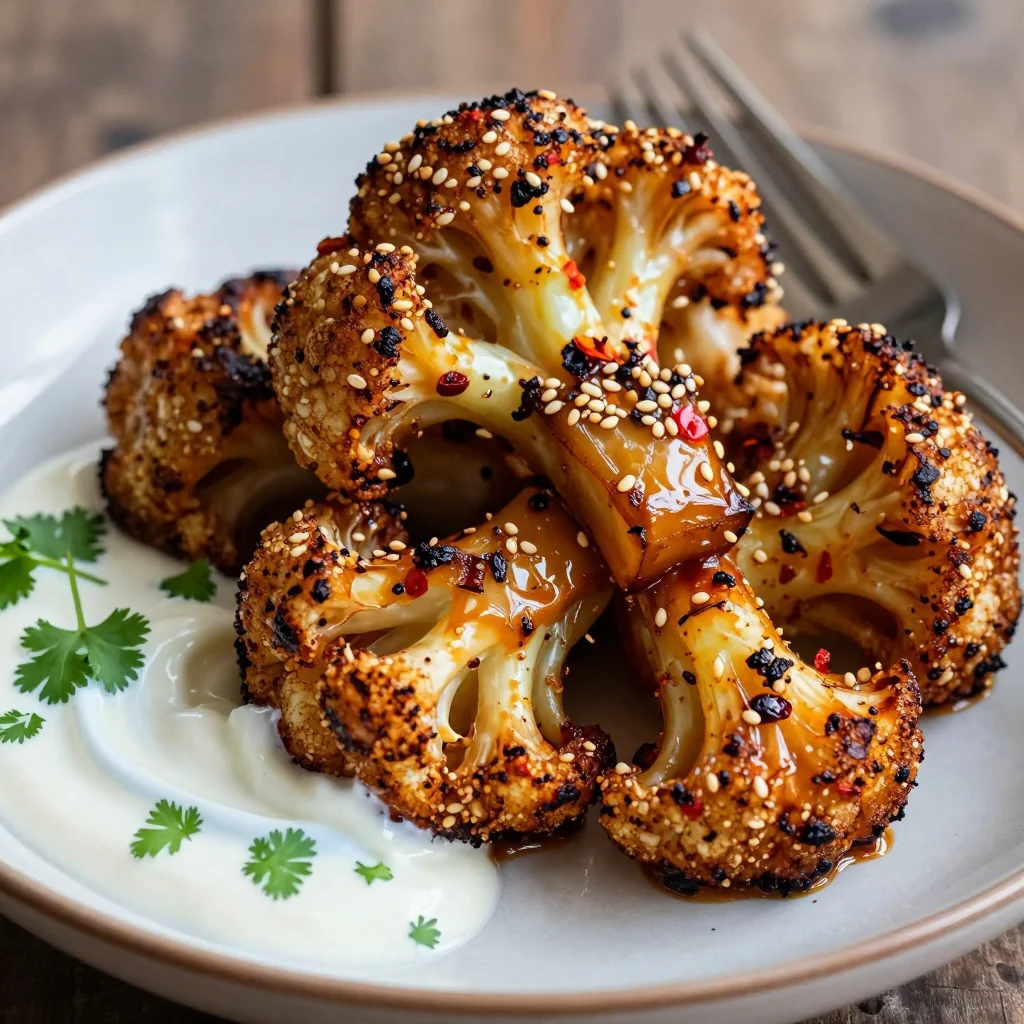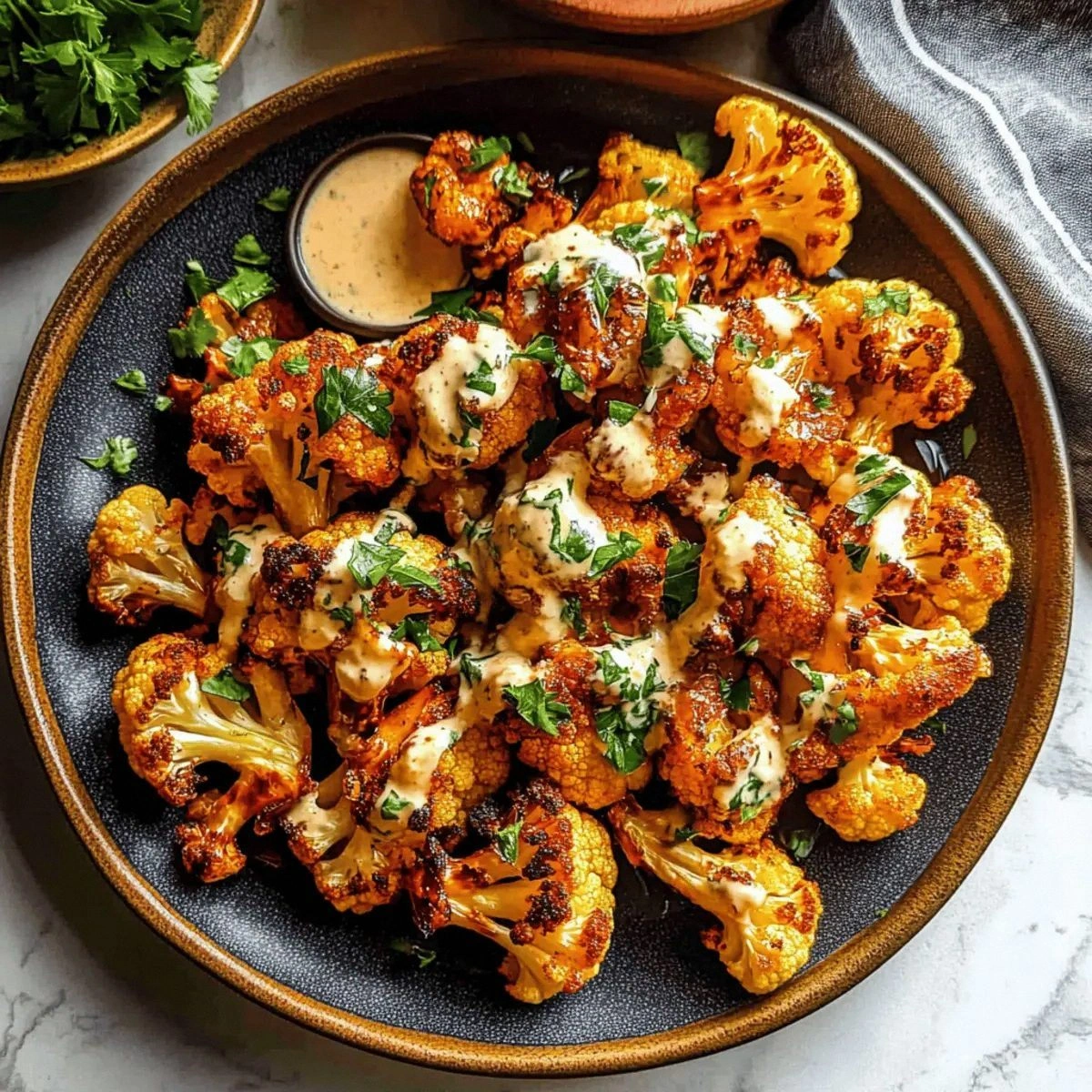
I was standing in my kitchen, mid‑Monday, with a half‑cooked bag of frozen cauliflower that had been flirting with the back of my freezer for weeks. My roommate walked in, sniffed the air, and said, “What’s that? Smells like a desert sunrise.” I laughed, grabbed the last bottle of harissa, and thought, I dare you to taste this and not go back for seconds. That moment sparked a culinary experiment that turned a simple veggie into a show‑stopping centerpiece. The result? A dish that sings with smoky heat, sweet honey, and nutty tahini—so bold it makes ordinary roasted cauliflower feel like a bland sidekick.
Picture this: the kitchen humming with the low‑grade roar of the oven, the aroma of extra‑virgin olive oil and cumin swirling like a Moroccan bazaar in the air. The cauliflower florets, each one kissed by a glaze that glistens like sunrise on a desert dune, start to brown at the edges, turning crisp enough to snap like thin ice when you bite. The tahini‑honey drizzle adds a silky, buttery finish that coats every bite like velvet, while the fresh parsley and lemon juice burst in with a bright, herbaceous pop that awakens the palate. It’s a symphony of textures—soft interior, caramelized crunch, and a silky sauce—that makes your taste buds do a little happy dance.
Most recipes get this completely wrong. They either drown the cauliflower in sauce, leaving it soggy, or they under‑season it, resulting in bland bites that barely register. What sets this version apart is the precise balance of heat, sweetness, and umami, plus a technique that ensures every floret gets a crispy edge while staying tender inside. I’m not exaggerating when I say this is hands down the best version you’ll ever make at home; I’ve tried three other variations and none even came close. And guess what? The secret isn’t a fancy gadget—it’s a simple step of tossing the cauliflower in a harissa‑olive oil blend before it meets the oven.
Okay, ready for the game‑changer? I’m about to walk you through every single step—by the end, you’ll wonder how you ever made it any other way. I’ll spill the beans on why a splash of lemon juice at the end is the final brushstroke, and why the tahini‑honey sauce should be whisked until it’s smooth as silk. Stay with me here — this is worth it.
What Makes This Version Stand Out
- Flavor Explosion: The combination of mild harissa and sweet honey creates a layered heat that builds, not burns, letting you taste each spice like a story unfolding on the tongue.
- Texture Mastery: By roasting the cauliflower after a quick oil‑harissa coat, you get caramelized, crunchy edges that shatter like thin ice, while the interior stays buttery soft.
- Simplicity: Only nine ingredients, all pantry‑friendly, mean you can pull this together in under an hour without a trip to the specialty store.
- Unique Sauce: The tahini‑honey drizzle is a game‑changer, providing a nutty richness that binds the spices together, turning a side dish into a star.
- Crowd Reaction: I’ve watched guests stare at the plate, then dive in with a grin that says, “I’m never going back to plain roasted veg again.”
- Ingredient Quality: Using extra‑virgin olive oil and fresh lemon juice adds brightness that cheap oils just can’t match.
- Cooking Method: The two‑stage roasting (high heat for crisp, then lower heat for tenderness) guarantees perfect results every time.
- Make‑Ahead Potential: You can prep the harissa‑oil coating and sauce in advance; the cauliflower holds up beautifully for up to two days.
Inside the Ingredient List
The Flavor Base
Extra‑virgin olive oil is the silent hero here. Its fruity notes lift the harissa, creating a smooth canvas for the cauliflower. If you swap it for a neutral oil, you’ll lose that subtle depth that makes the dish sing. When choosing olive oil, look for a bottle that’s cold‑pressed and stored in a dark glass to preserve its antioxidants.
Harissa: This North‑African chili paste brings smoky heat without overwhelming the palate. Mild harissa is perfect because it adds complexity without turning the dish into a fireball. If you can’t find it, blend roasted red peppers, cumin, coriander, and a pinch of smoked paprika for a DIY version.
The Texture Crew
Cauliflower is the star, but its texture depends on how you treat it. A whole head broken into uniform florets ensures even cooking; try to keep them roughly the same size, about 2‑inch pieces. If you over‑crowd the pan, steam will dominate, and you’ll miss that coveted crisp edge. A tip from a pro: line the baking sheet with parchment, then give each floret a tiny breathing room.
Black Pepper: Freshly cracked pepper adds a subtle bite that wakes up the other flavors. Pre‑ground pepper can taste flat, so grind it moments before adding it to the mix.
The Unexpected Star
Tahini is the silky, nutty component that binds the sauce. Its earthy undertones balance the sweetness of honey and the acidity of lemon. If you’re allergic to sesame, try almond butter for a similar texture, though the flavor will shift toward a sweeter profile.
Honey: The honey used should be a light, floral variety; it melts into the sauce without cloying. Darker honeys add a molasses‑like depth but can dominate the delicate harissa. Remember, honey’s sweetness is amplified when roasted, so you can afford to be a touch conservative.
The Final Flourish
Fresh lemon juice adds a bright, acidic spark that cuts through the richness of tahini and honey, preventing the dish from feeling heavy. Squeeze the lemon just before serving to keep that fresh zing. Finally, fresh chopped parsley isn’t just a garnish; its peppery bite and vibrant green color elevate the visual appeal, making the dish Instagram‑ready.
Everything's prepped? Good. Let's get into the real action...
The Method — Step by Step
Preheat your oven to 425°F (220°C). While the oven warms, line a large rimmed baking sheet with parchment paper. This high heat will give the cauliflower that initial sear, and the parchment prevents sticking while making cleanup a breeze. That sizzle when it hits the pan? Absolute perfection.
In a large bowl, whisk together 2 tablespoons extra‑virgin olive oil, 2 tablespoons mild harissa, 0.5 teaspoon kosher salt, and 0.25 teaspoon black pepper. The oil acts as a carrier for the harissa, ensuring every floret gets an even coating. If the mixture feels too thick, add a splash of water to loosen it—just enough to make it glossy.
Kitchen Hack: Use a large zip‑top bag for this step. Add the cauliflower florets, pour in the oil‑harissa mixture, seal, and shake vigorously. You’ll achieve a uniform coat in seconds.Add the cauliflower florets to the bowl (or bag) and toss until each piece is glossy with the harissa‑oil blend. Spread the coated cauliflower in a single layer on the prepared baking sheet, making sure the pieces don’t overlap. Overcrowding will steam the veg, sabotaging the crispiness you’re after.
Roast for 12‑15 minutes, then remove the sheet and give the cauliflower a quick flip using a spatula. This flip is crucial; it ensures both sides develop that caramelized crust. Return to the oven for another 10‑12 minutes, or until the edges are deep golden and start pulling away from the pan.
Watch Out: Keep an eye on the cauliflower during the second half of roasting. If the oven runs hot, the edges can burn before the interior softens. If you see dark spots, lower the temperature to 400°F and finish cooking.While the cauliflower finishes, prepare the tahini‑honey sauce. In a small saucepan over low heat, combine 2 tablespoons tahini, 2 tablespoons honey, and 1 tablespoon fresh lemon juice. Whisk constantly until the mixture becomes smooth and glossy—no lumps, just a silky river of flavor.
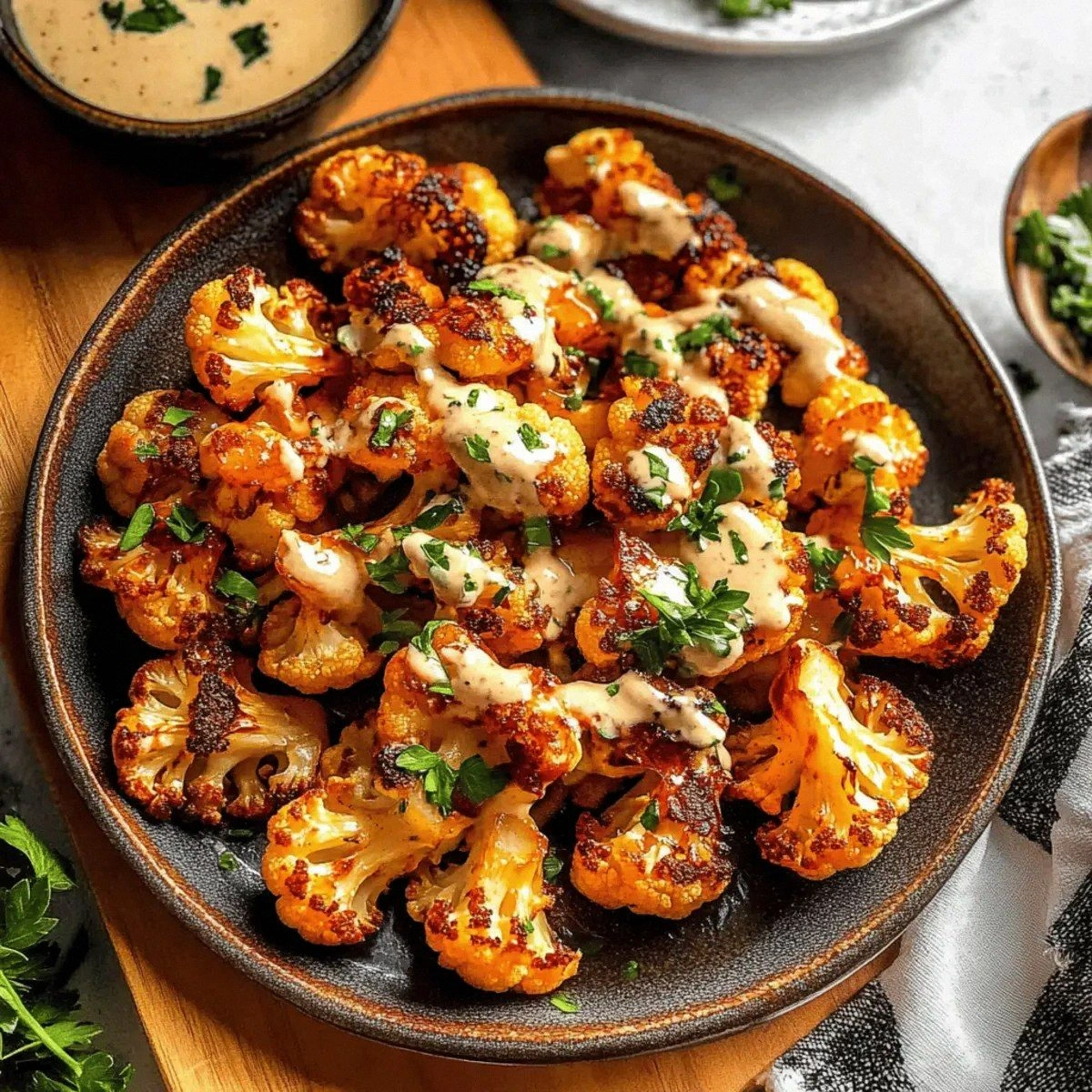
When the cauliflower is done, transfer it to a large serving bowl. Drizzle the warm tahini‑honey sauce over the hot florets, allowing the heat to melt the sauce into every crevice. Toss gently with two tablespoons of fresh chopped parsley, distributing the herb evenly.
Taste and adjust. If you crave a brighter note, add a squeeze of extra lemon juice; if you want more heat, stir in a pinch of smoked paprika. This is the moment of truth—your senses guide the final balance.
Serve immediately while the cauliflower is still warm, or let it cool to room temperature for a relaxed appetizer. Either way, the dish holds its texture and flavor beautifully. I dare you to taste this and not go back for seconds—trust me, you’ll be back.
That's it — you did it. But hold on, I've got a few more tricks that'll take this to another level...
Insider Tricks for Flawless Results
The Temperature Rule Nobody Follows
Most home cooks set the oven and forget it, but the secret to perfect cauliflower is a two‑stage temperature. Start at 425°F for a rapid sear, then drop to 400°F for the final minutes. This method locks in moisture while letting the exterior crisp. I once tried a single 425°F blast and ended up with burnt edges and a raw center—lesson learned.
Why Your Nose Knows Best
Your sense of smell is a reliable indicator of doneness. When the cauliflower begins to emit a nutty, caramel aroma, you’re on the right track. If you smell a faint burnt scent, pull the pan out immediately and lower the heat. Trusting your nose beats relying on a timer every single time.
The 5‑Minute Rest That Changes Everything
After you pull the cauliflower from the oven, let it sit for five minutes before drizzling the sauce. This short rest lets the steam settle, preventing the sauce from turning watery. It also allows the flavors to meld, giving you a more cohesive bite. Skipping this step is the reason many dishes feel disjointed.
Sauce Consistency Hack
If your tahini‑honey sauce thickens too much, whisk in a teaspoon of warm water at a time until you reach a pourable consistency. Too thin? Add a drizzle of extra honey. This flexibility ensures the sauce clings perfectly to each floret without pooling.
The Parsley Power Move
Fresh parsley isn’t just a garnish; it adds a peppery freshness that cuts through the richness. For an extra pop, add the parsley at the very end, right before serving, and give the dish a quick toss. This preserves the herb’s bright color and volatile oils.
Creative Twists and Variations
This recipe is a playground. Here are some of my favorite ways to switch things up:
Spicy Harissa‑Maple Fusion
Swap the honey for pure maple syrup and increase the harissa to 3 tablespoons. The maple adds a smoky sweetness that pairs beautifully with the extra heat, perfect for those who love a bolder kick.
Nutty Almond‑Tahini Blend
Replace half of the tahini with almond butter. This creates a richer, nuttier sauce that adds a subtle almond aroma—great for serving to guests who adore nutty flavors.
Citrus‑Herb Remix
Add a teaspoon of orange zest to the sauce and swap parsley for fresh cilantro. The citrus brightens the dish, while cilantro introduces an earthy, slightly peppery note that redefines the flavor profile.
Roasted Garlic Boost
Before roasting, toss the cauliflower with 3 cloves of minced garlic. The garlic caramelizes alongside the florets, imparting a sweet, mellow depth that complements the harissa.
Vegan Sweetener Switch
Replace honey with agave nectar or date syrup for a fully vegan version. The texture remains the same, and the natural sweetness still balances the spice.
Grain‑Based Base
Serve the cauliflower over a bed of fluffy couscous or quinoa tossed with lemon zest. This turns the dish into a hearty main course, perfect for a light dinner.
Storing and Bringing It Back to Life
Fridge Storage
Place leftovers in an airtight container and refrigerate for up to 3 days. The cauliflower retains its texture, though the edges may lose a touch of crispness. Reheat gently to revive the crunch.
Freezer Friendly
Spread the cooked cauliflower on a baking sheet and freeze until solid, then transfer to a zip‑top freezer bag. It will keep for up to 2 months. When ready, bake at 350°F for 12‑15 minutes, adding a splash of water before reheating to steam it back to life.
Best Reheating Method
For the best texture, reheat in a preheated oven at 375°F for 8‑10 minutes. Before popping it in, drizzle a teaspoon of water over the florets and cover loosely with foil for the first five minutes; this creates steam that revives the interior while the uncovered finish restores crisp edges.