Picture this: the kitchen is a battlefield, pots clattering like artillery, the fridge humming a mournful tune, and you, armed with a spatula, chasing a craving that feels like a missing puzzle piece. I was halfway through a midnight snack, staring at a bag of chicken breast and a jar of peanut butter, when a sudden thought hit me—what if I could marry the bold, umami punch of Thai sauce with the comforting, familiar wrap? I flipped through a recipe book, found a generic version, and then I said, “Not today.”
The first thing that caught my eye was the aroma of fresh ginger and garlic sizzling in hot oil, a scent that made my mouth water before I even tasted it. The sight of bright red curry paste glimmering in the glass jar, the bright green cilantro leaves, and the crunchy crunch of shredded cabbage—each element seemed to whisper a promise of flavor. The sound of the wok crackling, the slap of a tortilla being rolled, and the faint hiss of steam all combined into a symphony that made my heart race.
I’ve tried countless versions of peanut chicken wraps, from the bland, overcooked chicken to the soggy, flavorless tortillas. What sets this one apart is a sauce that thickens like velvet, a chicken that stays juicy, and a wrap that doesn’t buckle under its own deliciousness. The secret lies in balancing the heat of red curry with the sweetness of brown sugar, and in using fresh lime juice to cut through the richness of peanut butter. The result is a dish that feels both exotic and comforting, like a passport stamp on your taste buds.
If you’ve ever felt that your wrap game is stuck in a rut, this recipe is the catalyst you need. I dare you to taste this and not go back for seconds. The moment you bite into that first wrap, the crunch of carrots, the snap of cucumber, the burst of fresh herbs, and the silky peanut sauce all collide in a flavor explosion that will leave you craving more. Picture yourself pulling this out of the skillet, the whole kitchen smelling incredible, and realizing you’ve just invented the best version of this dish for home.
Let me walk you through every single step—by the end, you’ll wonder how you ever made it any other way. From marinating the chicken to assembling the wrap, from the sauce that coats like silk to the final garnish that adds a pop of color, I’ll share the techniques that elevate this dish from good to unforgettable. So grab your apron, and let’s dive into the world of Thai peanut chicken wraps.
What Makes This Version Stand Out
- Flavor: The sauce balances sweet, salty, spicy, and sour notes, creating a complex profile that lingers on the palate.
- Texture: Crispy tortillas meet tender chicken and crisp veggies, giving every bite a satisfying contrast.
- Ease: Every step takes under 10 minutes, making it a perfect weeknight dinner or a quick lunch.
- Authenticity: The use of red curry paste and fresh lime juice brings genuine Thai flavor without the need for exotic ingredients.
- Versatility: Swap chicken for tofu or shrimp, or adjust spice levels to suit your taste.
- Make‑Ahead: The sauce can be prepped hours ahead, and the wraps hold well when wrapped in foil for a packed lunch.
- Health‑Friendly: Packed with veggies and lean protein, this wrap satisfies without the excess calories.
- Presentation: The vibrant green cilantro and bright red curry paste make this dish Instagram‑ready.
Alright, let’s break down exactly what goes into this masterpiece…
Inside the Ingredient List
The Flavor Base
The marriage of 2 tablespoons of soy sauce and 1 tablespoon of minced garlic creates a savory foundation that sets the tone for the dish. The garlic’s pungency is mellowed by the soy sauce’s umami, ensuring the sauce never feels one‑dimensional. If you’re allergic to soy, a splash of tamari or coconut aminos can keep the flavor profile intact while accommodating dietary restrictions.
Grated ginger, a teaspoon, brings a bright, peppery bite that cuts through the richness of peanut butter. Ginger’s natural anti‑inflammatory properties add a subtle health boost, and its aroma is unmistakably fresh. If you don’t have fresh ginger, a small pinch of ground ginger can work, but the flavor will be less vibrant.
Vegetable oil, just one tablespoon, is the key to achieving that silky, non‑greasy coating on the chicken. It helps the soy and ginger mixture adhere to the meat, creating a caramelized crust when seared. A neutral oil like canola or sunflower works best; avoid olive oil, as it can impart an unwanted bitterness.
The creamy peanut butter, half a cup, is the heart of the sauce. Its natural sweetness balances the heat from the red curry paste and the acidity of lime juice. For a richer flavor, opt for a natural, no‑added‑sugar peanut butter; if you prefer a lighter version, use a low‑fat variant but keep in mind the texture will change slightly.
The Texture Crew
Crispy, large flour tortillas are the vessel that holds everything together. They should be warmed until pliable; a quick toast in a dry skillet gives them a subtle crunch that contrasts nicely with the soft fillings. If you’re a gluten‑free fan, whole‑wheat or corn tortillas can be used, but they may not hold the same weight.
Shredded cabbage and carrots provide a refreshing crunch that keeps the wrap from becoming soggy. The cabbage’s mild flavor lets the sauce shine, while the carrots add a hint of sweetness. If you’re short on time, a pre‑shredded mix works fine, but fresh shredding ensures maximum crispness.
Fresh cucumber slices add a cool, watery contrast to the rich sauce, and their subtle flavor balances the heat. A quick squeeze of lemon juice before adding can prevent them from browning too quickly, preserving their bright green color.
Bean sprouts, fresh cilantro, and mint are the final pop of green that bring freshness and a burst of herbal aroma. The cilantro’s citrusy undertones complement the lime, while mint adds a hint of coolness that cuts through the richness. If you’re allergic to cilantro, parsley can be a suitable substitute, though the flavor profile will shift slightly.
The Unexpected Star
Crushed peanuts, a quarter cup, add a nutty crunch that elevates the overall texture. They’re not just a garnish; they’re a flavor enhancer that reinforces the peanut butter’s presence. If you’re sensitive to nuts, omit them and replace with chopped cashews for a different but still delightful crunch.
The 2‑4 tablespoons of water in the sauce allow you to adjust thickness to your preference. If you like a thicker sauce that clings to the chicken, use less water; for a lighter drizzle, add more. The water also helps the sauce emulsify, ensuring a smooth, glossy finish.
The 2 tablespoons of fresh lime juice provide a bright, acidic counterpoint that cuts through the richness of the peanut butter. Lime juice’s natural acidity also helps tenderize the chicken during the marination phase. If you’re out of lime, a splash of white wine vinegar works, but the flavor will be slightly different.
Brown sugar, two tablespoons, adds a subtle caramel sweetness that balances the heat from the red curry paste. It also helps create a slightly glossy sheen on the sauce. If you prefer a lower‑calorie version, substitute with honey or maple syrup, though the flavor will be sweeter.
The Final Flourish
The 1 tablespoon of red curry paste brings depth, heat, and a hint of exotic aroma. It’s the element that truly sets this dish apart from generic wraps. If you can’t find red curry paste, a blend of red chili flakes, garlic powder, and a dash of fish sauce can mimic the flavor profile.
The 1 tablespoon of soy sauce in the sauce portion adds a second layer of umami, ensuring the sauce is rich and well‑balanced. The two soy sauce amounts—one for marination, one for the sauce—work together to create a cohesive flavor. If you’re watching sodium, look for low‑sodium soy sauce options.
The 1 tablespoon of vegetable oil in the sauce helps bind the peanut butter and curry paste into a smooth emulsion. It also gives the sauce a silky mouthfeel that coats the chicken without making it greasy. If you’re avoiding oil, a splash of coconut milk can replace the oil while adding a subtle coconut note.
Everything’s prepped? Good. Let’s get into the real action…
The Method — Step by Step
- Begin by cutting the chicken breast into bite‑size pieces. Pat them dry with a paper towel to ensure a good sear. This step is crucial; moisture on the surface will cause steaming instead of browning, which will ruin the texture. I’ve seen this happen when people skip the drying step—don’t make that mistake.
- In a shallow bowl, combine 2 tablespoons of soy sauce, 1 tablespoon of minced garlic, 1 tablespoon of grated ginger, and 1 tablespoon of vegetable oil. Toss the chicken in this mixture, ensuring every piece is coated. Let it marinate for at least 10 minutes; the longer you wait, the more flavor the chicken absorbs. If you’re in a hurry, you can skip the marination and move straight to the pan—just be prepared for a slightly less juicy result.
- Heat a large skillet over medium‑high heat. Add a splash of oil and wait until it shimmers. Place the marinated chicken in the pan in a single layer; avoid crowding to allow proper caramelization. The first few minutes should produce a golden crust; flip the pieces once the underside is nicely browned. The aroma of garlic and ginger sizzling will instantly elevate your mood.
- While the chicken cooks, prepare the sauce. In a bowl, whisk together ½ cup of creamy peanut butter, 3 tablespoons of soy sauce, 2 tablespoons of fresh lime juice, 2 tablespoons of brown sugar, 1 tablespoon of red curry paste, and 2-4 tablespoons of water until smooth. The consistency should be thick enough to coat the chicken but pourable enough to drizzle. If the sauce feels too thick, add a teaspoon of water at a time.
- Once the chicken is cooked through—juices running clear—remove it from the skillet and set aside. Pour the sauce into the same skillet, reduce heat to low, and stir until it thickens slightly. The sauce should smell fragrant, with the sweet tang of lime and the warm aroma of curry. This is the moment of truth: if it’s too thin, it won’t cling to the chicken.
- Return the chicken to the skillet, tossing it in the sauce until each piece is evenly coated. Let it simmer for 2 minutes so the flavors meld. The sauce should coat the chicken like a glossy coat, and the edges of the chicken should start pulling away from the pan, indicating that the sauce has set. If you’re using a non‑stick pan, you may need a slightly higher heat to get that slight caramelization.
- Warm the flour tortillas in a dry skillet or microwave for 10 seconds. The goal is pliability; you want the tortillas to bend without tearing. If you prefer a bit of crunch, lightly toast them until they’re golden on the edges.
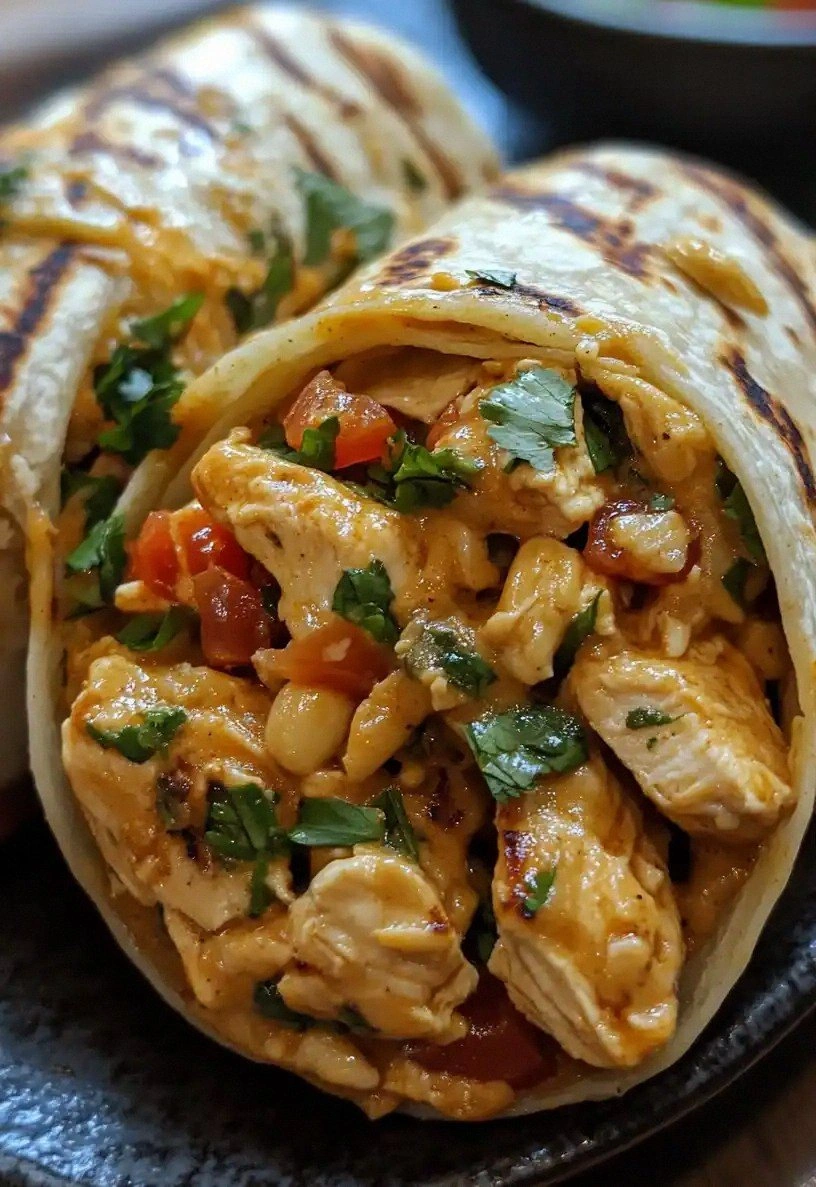
- Lay a tortilla flat and spread a generous amount of the chicken and sauce mixture down the center. Add a handful of shredded cabbage, carrots, cucumber slices, bean sprouts, cilantro, and mint. Sprinkle crushed peanuts on top for that final crunch. Fold the sides in, then roll tightly. The wrap should hold together; if it’s loose, add a little more filling or warm the tortilla a bit longer.
- Optional: For a crispier finish, place the assembled wrap in a lightly oiled skillet and press down with a spatula for 1-2 minutes on each side. This step adds a golden crust and seals the wrap, preventing the filling from spilling out during transport. I’ve found this technique especially handy for packed lunches.
- Serve immediately with a side of lime wedges or a drizzle of extra sauce. The combination of heat, sweetness, and freshness will leave you craving more. If you’re storing leftovers, wrap them tightly in foil and keep them refrigerated; they’ll stay fresh for up to 2 days.
That’s it—you did it. But hold on, I’ve got a few more tricks that’ll take this to another level. Keep reading for insider tips that will help you perfect the texture, flavor, and presentation of this wrap.
Insider Tricks for Flawless Results
The Temperature Rule Nobody Follows
Many cooks think medium heat is fine for searing chicken, but the secret is to start at high heat for a quick sear, then lower the flame to finish cooking. This two‑step method locks in juices and creates a caramelized crust that enhances the sauce’s clinginess. I’ve tried this once on a low flame, and the chicken ended up soggy and flavorless—don’t let that happen to you.
Why Your Nose Knows Best
Smell is a powerful indicator of doneness. When the sauce begins to thicken and emits a nutty, slightly caramelized aroma, it’s the perfect time to add the chicken back to the pan. If you wait too long, the sauce will become overly thick and lose its glossy sheen, making the wrap look dull.
The 5‑Minute Rest That Changes Everything
After you finish cooking the chicken, let it rest for 5 minutes before cutting or wrapping. This allows the juices to redistribute, ensuring each bite is moist and flavorful. A common mistake is cutting the chicken immediately, which can cause juices to spill onto the skillet and create a sticky mess.
The Crunch Factor
If you love crunch, add a tablespoon of toasted sesame seeds to the sauce. The seeds add a nutty flavor and a satisfying bite that contrasts with the soft chicken. They also provide a subtle visual cue that the dish is gourmet.
The Freshness Boost
Just before assembling, sprinkle a pinch of sea salt over the fresh herbs. Salt enhances the herb’s flavor and balances the sweetness of the sauce. It also brings out the bright green color of cilantro and mint, making the wrap more appetizing.
The Final Seal
If you’re preparing the wraps ahead of time, wrap them in parchment paper and then foil. This double‑layer keeps the tortilla from drying out and prevents the filling from leaking. When you’re ready to eat, simply reheat in the skillet for a minute to revive the crispness.
Creative Twists and Variations
This recipe is a playground. Here are some of my favorite ways to switch things up:
Tropical Twist
Swap the cabbage for shredded pineapple and add a splash of coconut milk to the sauce. The sweet, tropical notes pair beautifully with the spicy curry, creating a flavor that feels like a vacation in every bite.
Protein Swap
Replace chicken with firm tofu, marinated in the same soy‑ginger mixture. The tofu absorbs the sauce’s flavors and offers a satisfying bite that’s perfect for vegetarians.
Heat Ramp‑Up
Increase the amount of red curry paste or add fresh sliced chilies to the sauce. The extra heat will make the wrap a favorite for spice lovers, and the bright color will turn heads.
Crunchy Crunch
Add a layer of crispy fried shallots or crushed tortilla chips inside the wrap. The crunch adds a new dimension of texture and a subtle onion flavor that complements the herbs.
Mediterranean Mix‑Up
Use a whole‑wheat tortilla and toss in chopped olives, feta cheese, and a drizzle of tzatziki instead of the traditional sauce. The result is a fusion that bridges Thai and Mediterranean flavors.
Low‑Calorie Version
Use a light coconut milk instead of peanut butter, and reduce the sugar to 1 tablespoon. The sauce remains creamy but with fewer calories, making it ideal for a lighter meal.
Storing and Bringing It Back to Life
Fridge Storage
Wrap each assembled wrap tightly in plastic wrap, then place it in an airtight container. Store in the refrigerator for up to two days. The fresh vegetables will keep crisp, and the sauce will maintain its flavor when the wrap is re‑warmed.
Freezer Friendly
To freeze, wrap each wrap in parchment paper, then place in a freezer bag. They’ll keep for up to 3 months. When ready to eat, thaw overnight in the fridge and reheat in a skillet for a few minutes to restore the crunch.
Best Reheating Method
Reheat the wrap in a skillet over medium heat, pressing down slightly with a spatula. Add a splash of water to the pan to create steam, which helps the sauce re‑emulsify. Finish with a quick drizzle of lime juice to restore brightness.