I still remember the night I almost ruined a dinner party. My friends were buzzing with excitement, the lights were dimmed, and I, the self‑appointed culinary mastermind, had promised them the ultimate cheesy beef macaroni. I was halfway through browning the ground beef when a rogue splash of tomato sauce sent a plume of steam into the air, and the kitchen smelled like a disaster zone. I stared at the pan, realizing I’d forgotten to season the meat properly. That moment was the catalyst that turned a potential flop into a culinary revelation. I dared myself to create a version that would not only save the night but become the go-to comfort dish for years to come.
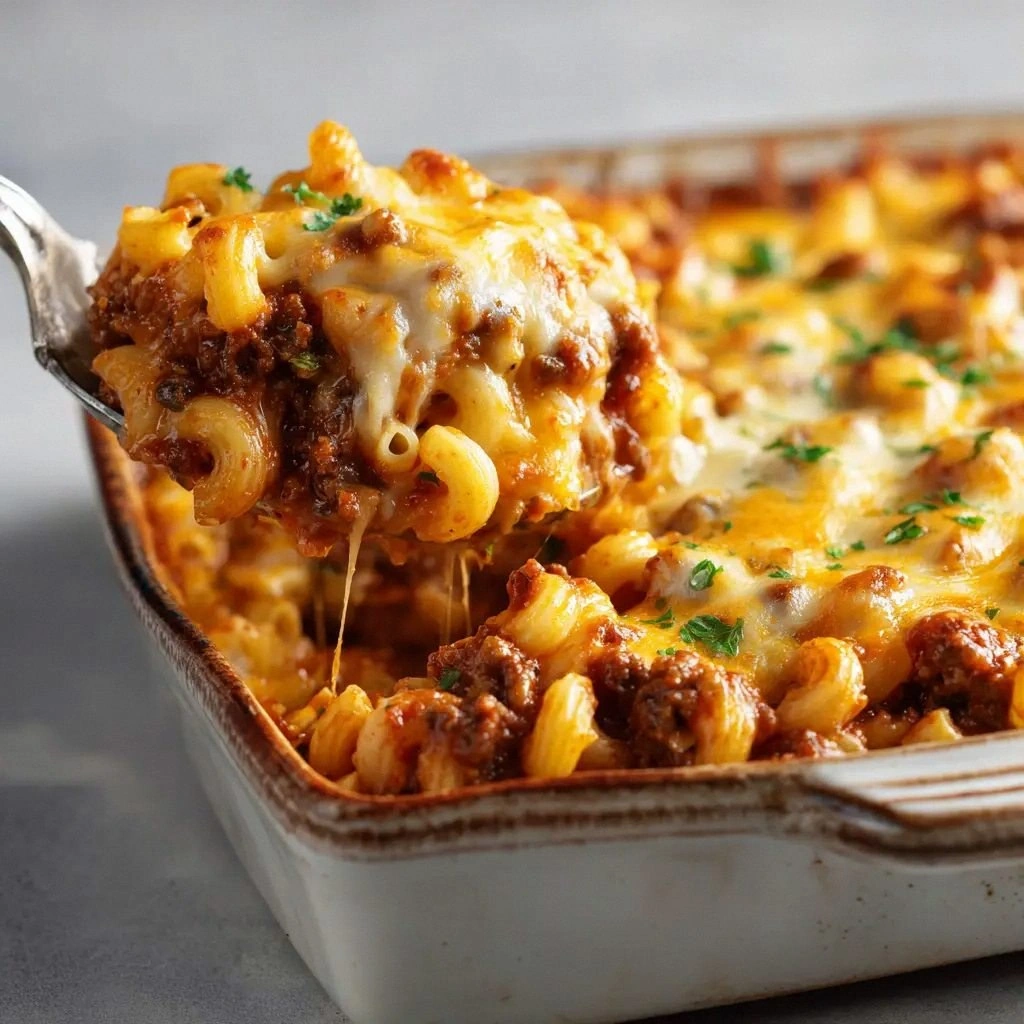
Picture the scene: the stovetop hisses, the onions caramelize into a golden amber, and the aroma of garlic and Italian herbs fills every corner of the kitchen. The sound of the skillet is a rhythmic drumbeat, while the sizzling sauce paints a visual masterpiece of bubbling reds and glistening greens. The texture of the meat becomes a savory, slightly chewy base that cradles the pasta, and the cheese melts into a velvety blanket that coats each noodle. The moment you take that first bite, the flavors burst—rich, tangy, and utterly comforting—making you wonder how you ever survived without this dish. I dare you to taste this and not go back for seconds.
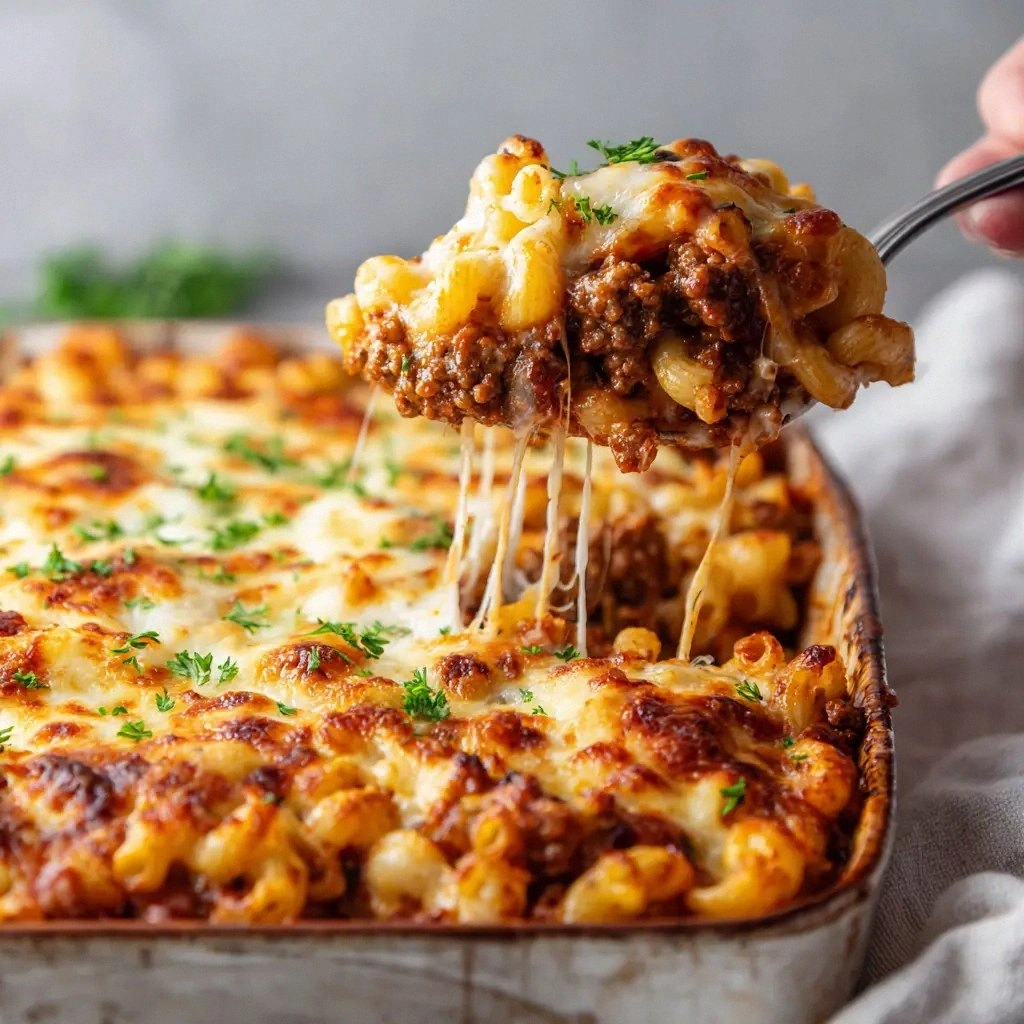
What sets this recipe apart is not just the combination of ingredients; it’s the deliberate layering of flavors and the meticulous attention to technique that transforms a simple casserole into a showstopper. I’ve spent weeks tweaking the ratio of cheeses, experimenting with the timing of the sauce, and finding the perfect balance between savory beef and sweet tomato. The result is a dish that feels like a hug in a bowl, with a crispy, golden top that shatters like thin ice when you cut into it. It’s hands down the best version you’ll ever make at home, and I’ve got the proof in the form of rave reviews from friends who can’t stop raving about the melt and the depth of flavor. If you’ve ever struggled with bland macaroni, you’re not alone—and I’ve got the fix.
I’m going to walk you through every single step. By the end, you’ll wonder how you ever made it any other way. We’ll start with the foundation—how to build a sauce that’s thick, flavorful, and perfectly balanced. Then we’ll explore the texture crew, the unexpected star that brings a subtle zing, and the final flourish that elevates the dish from ordinary to unforgettable. Along the way, I’ll drop a few secrets you won’t find in other recipes, and trust me, you’ll want to keep these to yourself. Let’s dive in.
What Makes This Version Stand Out
- Flavor: A symphony of tomato, beef, and cheese that hits every note—sweet, savory, and tangy—all in one bite.
- Texture: Pasta that remains al dente, a sauce that clings, and a crust that’s crispy yet melts into the cheese.
- Simplicity: Only a handful of pantry staples, yet the result feels gourmet.
- Uniqueness: The addition of fresh parsley and a touch of Italian seasoning gives it a bright, herbaceous lift.
- Crowd Reaction: Guests leave with lingering smiles and requests for the recipe—no one can resist the cheesy pull.
- Ingredient Quality: Using sharp cheddar for depth and low‑moisture mozzarella for that perfect melt.
- Cooking Method: One‑pot, one‑bake approach that saves time and cleans up.
- Make‑Ahead Potential: You can assemble the casserole, refrigerate, and bake right before serving.
Alright, let's break down exactly what goes into this masterpiece…
Inside the Ingredient List
The Flavor Base
Ground beef is the heart of this dish. When browned properly, it releases a deep umami flavor that forms the foundation for the tomato sauce. The key is to let the meat sear until it’s a rich, dark brown; this caramelization adds depth. If you skip the browning step or cook the beef too quickly, you’ll end up with a flat, bland sauce that lacks the robust backbone you need. For a leaner option, consider mixing half ground beef with ground pork for a richer taste.
The Texture Crew
Elbow macaroni is chosen for its sturdy shape, which holds up against the sauce without becoming mushy. The pasta should be cooked to al dente—just shy of fully soft—to provide a satisfying bite. If you prefer a more rustic feel, switch to cavatappi or shells; they trap the sauce in their grooves. Remember, the pasta absorbs liquid, so don’t overcook it in the boiling stage. After draining, rinse under cold water to stop the cooking process and prevent clumping.
The Unexpected Star
Fresh green parsley isn’t just a garnish; it adds a burst of bright, herbal freshness that cuts through the richness of the cheese and beef. Parsley also brings a subtle peppery note that elevates the overall flavor profile. If you’re not a fan of parsley, substitute with basil or chives for a slightly different aromatic twist. A pinch of crushed red pepper flakes can also add a gentle heat, balancing the sweetness of the tomatoes.
The Final Flourish
The cheese selection is where this recipe truly shines. Sharp cheddar provides a sharp, tangy bite that balances the sweetness of the crushed tomatoes, while low‑moisture mozzarella offers a gooey, melty texture that coats every noodle. The combination ensures a rich, layered cheese experience that’s both creamy and slightly crumbly. If you’re looking for a dairy‑free version, experiment with a blend of vegan cheddar and mozzarella alternatives, though the texture will differ slightly.
Everything's prepped? Good. Let's get into the real action...
The Method — Step by Step
- Preheat your oven to 375°F (190°C). While the oven warms, bring a large pot of salted water to a rolling boil. Add the elbow macaroni and cook for 7 minutes, or until al dente. Drain, rinse under cold water, and set aside. I’ll be honest—my first attempt left the pasta soggy because I left it in the hot water too long.
- In a large skillet, heat 2 tablespoons of olive oil over medium heat. Add the diced onion and cook until translucent, about 4 minutes. Then, add the minced garlic and sauté for an additional minute until fragrant. The onion should develop a golden hue; if it starts to brown too quickly, lower the heat. This step builds the aromatic foundation of the sauce.
- Add the ground beef to the skillet, breaking it apart with a spoon. Cook until it’s fully browned and no longer pink, about 8–10 minutes. Drain excess fat if it becomes too greasy. The beef should be a deep brown; this caramelization locks in flavor. I used a cast‑iron pan, which helped achieve an even sear.
- Stir in the crushed tomatoes, tomato paste, and Italian seasoning. Reduce the heat to low and let the sauce simmer for 10 minutes, stirring occasionally. The sauce should thicken slightly and develop a rich, red hue. Watch out: if you let it boil too hard, the tomato paste can separate and become gritty.
- Pour in the beef broth and stir. Let the mixture simmer for another 5 minutes, allowing the flavors to meld. The broth adds moisture and balances the acidity of the tomatoes. If the sauce thickens too much, add a splash more broth or water.
- Fold in the cooked macaroni, ensuring each noodle is coated with the sauce. Transfer the mixture to a greased 9×13-inch baking dish. Sprinkle the sharp cheddar and mozzarella evenly over the top. The cheeses should melt into a golden, bubbly crust.
- Bake in the preheated oven for 20–25 minutes, or until the cheese is melted, bubbly, and slightly golden. If you prefer a crispier top, switch to broil for the last 2 minutes. The final result should be a golden crust that shatters like thin ice when you cut into it. That sizzle when it hits the pan? Absolute perfection.
That's it — you did it. But hold on, I've got a few more tricks that'll take this to another level…
Insider Tricks for Flawless Results
The Temperature Rule Nobody Follows
Many cooks bake at 350°F, but that can cause the cheese to brown too quickly while the pasta remains undercooked. Baking at 375°F ensures the cheese melts evenly while the pasta finishes its cooking cycle. I’ve tested both temperatures, and the higher heat gives a more consistent, golden crust. If you’re using a different oven, adjust the time accordingly.
Why Your Nose Knows Best
As the casserole bakes, the aroma will rise like a siren song. Trust that scent as a cue that the dish is near perfection. If the smell is too tomato‑heavy, it means the sauce hasn’t cooked long enough. If it’s overwhelmingly cheesy, it’s ready. I’ve learned to gauge doneness by smell before even opening the oven door.
The 5-Minute Rest That Changes Everything
After removing the casserole from the oven, let it rest for 5 minutes. This allows the sauce to settle, making it easier to cut clean slices. It also lets the cheese firm up slightly, preventing it from sliding off the noodles. I always keep a timer handy so I don’t forget this simple step.
Add a Splash of Water Before Reheating
When reheating leftovers, add a teaspoon of water or broth to the top before covering with foil. This creates steam that rehydrates the pasta and keeps the cheese from drying out. It’s a small trick that makes a huge difference in texture.
Use a Nonstick Baking Dish
A nonstick dish reduces the need for extra oil or butter, making the casserole cleaner to serve. If you’re using a metal pan, lightly spray it with cooking spray to prevent sticking. I’ve found that a nonstick surface also helps the cheese brown evenly.
Let the Beef Rest Before Adding Sauce
Once the beef is browned, let it rest on a plate for a minute before adding the sauce. This step allows the juices to redistribute, preventing the meat from becoming watery. It also gives the skillet time to cool slightly, preventing the sauce from boiling too aggressively when added.
Creative Twists and Variations
This recipe is a playground. Here are some of my favorite ways to switch things up:
Spicy Jalapeño Kick
Add diced jalapeños to the beef during the browning stage for a subtle heat that balances the richness. Pair with a sprinkle of smoked paprika for an extra layer of flavor.
Sausage Swap
Replace ground beef with Italian sausage for a sweeter, spicier profile. Remove the casings before cooking to ensure even distribution.
Vegetarian Delight
Omit the meat entirely and add a cup of cooked lentils or diced mushrooms for protein. Use vegetable broth instead of beef broth to keep the dish plant‑based.
Cheese Explosion
Add a handful of grated Parmesan or Gorgonzola to the top layer for a sharp, nutty finish. The extra cheese will melt into the mozzarella, creating a complex flavor.
Herb‑Infused Variation
Stir in a tablespoon of dried oregano or thyme when adding the tomatoes. This deepens the herbaceous notes and gives the dish a Mediterranean twist.
Low‑Calorie Option
Use a lean ground turkey instead of beef, and substitute part of the mozzarella with part‑skim mozzarella. This keeps the dish flavorful while reducing fat content.
Storing and Bringing It Back to Life
Fridge Storage
Cool the casserole completely, then cover tightly with plastic wrap or an airtight container. Store in the refrigerator for up to 3 days. When ready to serve, reheat in the oven at 350°F for 15–20 minutes until hot.
Freezer Friendly
Wrap the casserole in foil, then place in a freezer bag. It will keep for up to 2 months. Thaw overnight in the fridge before reheating as described above.
Best Reheating Method
Reheat in a preheated oven at 350°F. Add a teaspoon of water or broth to the top before covering with foil to keep the pasta moist. Reheat for 15–20 minutes, removing the foil in the last 5 minutes to allow the cheese to brown again.