I still remember the first time I attempted a white Bolognese. I was convinced I could wing it—no recipe, just vibes and a vague memory of something I’d eaten in a trance-like state at a tiny trattoria in Bologna. What I ended up with was a greasy, broken mess that tasted like someone had dumped heavy cream over dry sausage and called it luxury. I stood there, wooden spoon in hand, staring into the pan like it had personally betrayed me. That was the night I vowed to crack the code on a white Bolognese so silky, so deeply savory, that it would make grown adults close their eyes mid-chew and whisper “what is this sorcery?” Fast forward three years, a dozen meat blends, two near-fire incidents, and one very dramatic tasting session where I ate four servings in a row and had to lie on the kitchen floor like a satisfied sea lion. This is the version that emerged from the chaos. It’s not just good—it’s the kind of pasta that hijacks dinner conversations. You’ll be mid-sentence, fork halfway to mouth, and suddenly forget what you were saying because the sauce just hijacked your brain.
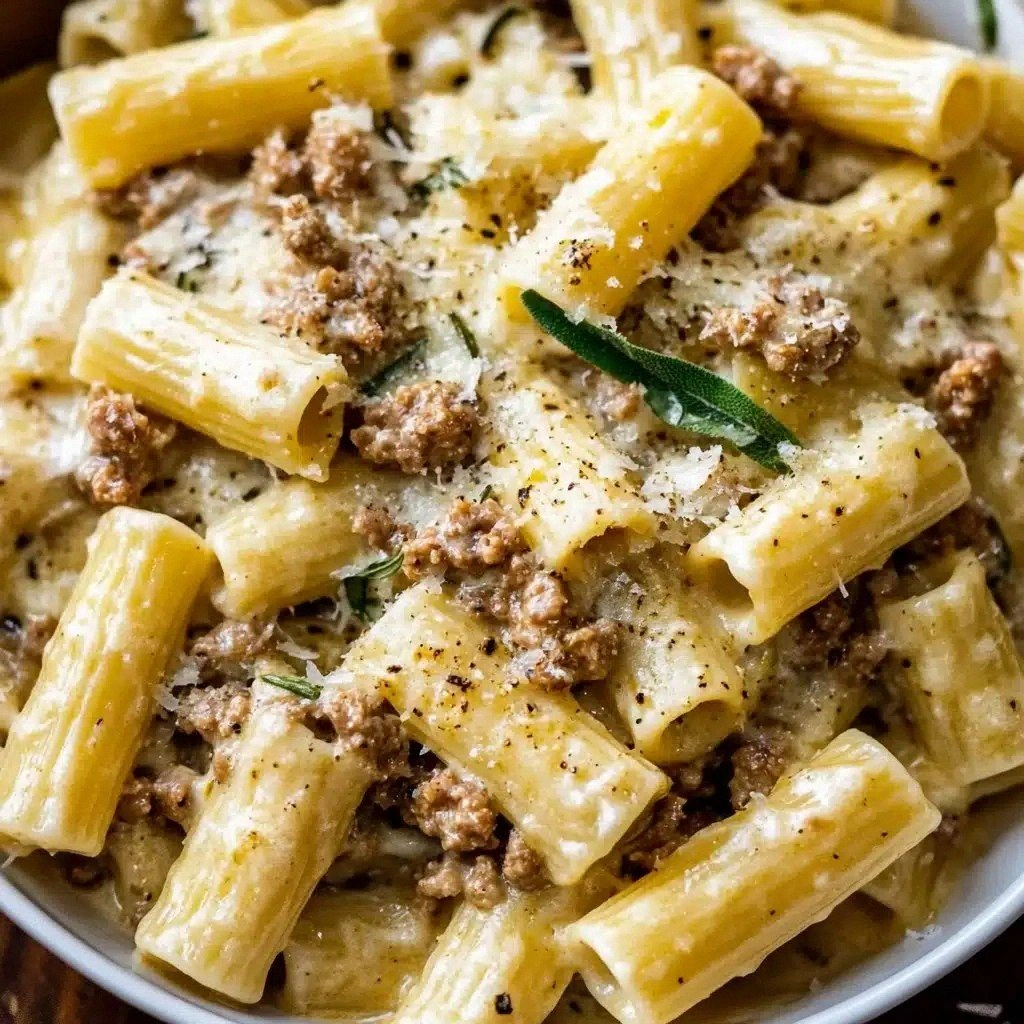
Picture this: rigatoni tubes so perfectly coated they look like they’ve been dipped in liquid velvet, each one clinging to a rich, ivory-colored ragù that smells like roasted meat, white wine, and the faintest whisper of nutmeg. There’s no tomato in sight—this is the lesser-known, reclusive cousin of the red Bolognese, the one that doesn’t need to shout to be heard. It’s subtle, nutty, meaty in the most elegant way, and when it hits hot pasta, it melts into something that’s halfway between a sauce and a cuddle. The first bite is a curveball: you expect something heavy, but it’s light on the tongue yet somehow more satisfying than any red sauce you’ve ever met. The secret? A blend of pork and veal that’s treated like treasure—browned just enough to build a fond, then gently simmered in milk until it turns into something creamy without a drop of actual cream. I dare you to taste this and not go back for seconds. Actually, I’ll be honest—I ate half the batch before anyone else got to try it, standing over the stove in my pajamas at 11:30 p.m., swearing I was just “adjusting seasoning.”
What makes this version different is the technique, not just the ingredients. Most recipes get this completely wrong. They crank the heat, boil the meat until it’s rubber, or drown everything in cream and call it a day. That’s not white Bolognese—that’s beige disappointment. The real deal is about patience: letting the meat relax in milk until it breaks down into silk, building layers of flavor with tiny, almost imperceptible additions like lemon zest and a single bay leaf. The result is a sauce that tastes like it took nonna all Sunday, but you’ll pull it off on a Tuesday night while binge-listening to true-crime podcasts. Future pacing moment: imagine pulling this out of the oven, the whole kitchen smelling like a trattoria that has a secret VIP room, and plating it up for people who think they’ve already tasted the best pasta of their lives. Stay with me here—this is worth it.
I’m handing you the keys to the castle. Let me walk you through every single step—by the end, you’ll wonder how you ever made it any other way.
What Makes This Version Stand Out
Nutty Sweetness: The milk slowly caramelizes with the meat juices, creating a malty, almost hazelnut-like depth you can’t get from cream. It’s the difference between a hoodie and a tailored cashmere coat—both warm, only one feels like money.
Two-Meat Magic: Veal keeps things delicate, pork shoulder brings the swagger. Together they melt into a texture that’s spoon-soft but still has tiny, irresistible bits that crisped earlier and now bob like savory croutons.
No Cream, No Lies: The silk comes from milk proteins, not dairy fat bombs. You’ll swear there’s heavy cream involved, but your stomach will know the truth—light enough for a second helping without the food-coma hostage situation.
Tube Physics: Rigatoni’s ridges and hollow centers are built for this sauce. Each piece scoops up meaty pearls like tiny edible treasure chests. Spaghetti would slide arrogantly through; rigatoni delivers the goods.
One-Pot Brilliance: Everything happens in a single Dutch oven, meaning fewer dishes and more time to accept compliments. You could wash up while it simmers, or you could pour yourself a glass of the leftover wine and feel smug about life choices.
Weekend Flavor, Tuesday Speed: It needs about 35 minutes of simmering, not three hours. The trick is starting with cold milk and keeping the heat so low it barely shivers. This is slow food for impatient people.
Leftover Glow-Up: Make a double batch and freeze half. Thaw it on a frantic Wednesday, toss with fresh pasta, and watch your roommate propose marriage purely out of carbohydrate gratitude.
Alright, let’s break down exactly what goes into this masterpiece...
Inside the Ingredient List
The Flavor Base
Onion, carrot, and celery show up in their usual trio, but here they’re minced so fine they dissolve into the fat and disappear. That means no chunky interruptions—just a smooth, continuous flavor wave. I use a micro-plane for the carrot so it melts in minutes. Skip it and you’ll have orange confetti in your sauce, which tastes fine but looks like kindergarten craft time.
Garlic gets the same treatment: one fat clove grated into a paste. It disperses like perfume, giving a gentle hum rather than a shout. If you’ve ever bitten into a pasta sauce and gotten a rogue garlic chunk that ruins the next five minutes of your life, you know why this matters.
White wine is non-negotiable. It lifts the fond, adds brightness, and prepares the meat for its milk bath. Use something dry and cheap—save the good stuff for drinking. Sweet wine will make the whole pot taste like sad fruit cocktail.
The Texture Crew
Whole milk is the star, but temperature is everything. Cold milk hitting hot meat keeps the proteins from seizing into grainy curds. I keep mine in the freezer for ten minutes before it goes in. The result is a satin texture that coats the back of a spoon like expensive paint.
Ground veal brings a gentle sweetness and velvety mouthfeel. If the word veal makes you squirm, ground turkey thigh works, but you’ll lose that plushness. Promise me you’ll try it once with veal before you judge—it’s the difference between a lullaby and a chart-topper.
Pork shoulder, hand-cut into tiny cubes, renders and browns, leaving crispy nubbins that bob like croutons in the sauce. Ground pork turns mealy; the tiny cubes stay proud and meaty. Yes, it’s an extra five minutes of knife work. Yes, it’s worth it.
The Unexpected Star
A single bay leaf whispers herbal complexity without announcing itself. Fish it out at the end or someone will get a chewy souvenir. Fresh bay leaves are twice as potent—if that’s what you have, tear it in half.
Lemon zest, just a whisper, wakes everything up at the end. Add it too early and it’ll taste like furniture polish; stir it in off the heat and it’s sunshine in a bowl. I zest directly over the pot so the volatile oils rain down like fairy dust.
Nutmeg is the stealth bomber—tiny amount, massive impact. You want the freshly grated stuff; the pre-ground jar tastes like sawdust from a haunted spice drawer. A few passes across the micro-plane is all it takes.
The Final Flourish
Parmigiano-Reggiano, finely grated, melts into the hot sauce and acts like a flavor amplifier. Pre-shredded sawdust from the green can will clump and sulk. Buy a small wedge and grate it yourself; your future self will high-five you.
Parsley stems go into the simmer for background grassiness; the leaves are sliced and showered on top for color and a fresh pop. Don’t skip the stems—they’re free flavor and they get strained out anyway.
Butter swirled in at the end tightens the emulsion and makes the sauce glossy like salon hair. Use unsalted so you can control the final seasoning. Salted butter will hijack the delicate balance and leave you chasing your tail with adjustments.
Everything’s prepped? Good. Let's get into the real action...
The Method — Step by Step
- Start with a cold Dutch oven and add the diced pancetta. Turn the heat to medium-low and let the fat render slowly—this takes about eight minutes. You want translucent, golden nuggets, not carbonized pebbles. That sizzle when it hits the pan? Absolute perfection. Stir occasionally so nothing sticks and the bottom turns into a glossy, pork-flavored mirror.
- Scoot the pancetta to the edges and add the minced onion, carrot, and celery. Season with a pinch of salt to draw out moisture. Cook until the vegetables look tired and the onion is opaque—about five minutes. If the bottom starts browning too fast, splash in a tablespoon of water and scrape; those browned bits are pure gold in waiting.
- Bump the heat to medium-high and add the hand-cut pork and veal. Spread it into a single layer and—here’s the hard part—leave it alone for two whole minutes. Let it develop a crust before you even think of stirring. The meat should hiss happily and smell like Sunday at the butcher. Break it up with a wooden spoon; you want tiny shards, not a homogenous mush.
- Pour in the white wine. It will steam like a sauna and lift every caramelized speck. Reduce until the pan looks almost dry but still glossy, about three minutes. The alcohol smell should fade and leave behind something bright and grapey. Don’t rush this step; the wine’s acidity sets up the milk for maximum silk later.
- Reduce heat to low. Add the cold milk in three additions, stirring gently between each pour. The mixture will look curdled and tragic—stay with me here. Drop in the bay leaf, parsley stems, and a few grates of nutmeg. You want the barest tremble of bubbles, not a rolling boil. Cover the pot slightly ajar and set a timer for 25 minutes. Walk away, but not so far you can’t peek.
- While the sauce lazes about, boil rigatoni in aggressively salted water. You want it two minutes shy of al dente because it’ll finish in the sauce. Save a mug of starchy water before you drain; it’s liquid gold for emulsifying later. Stir the sauce occasionally—when you see tiny pearls of fat shimmering on the surface, you’re on the right track.
- Remove the bay leaf and parsley stems. Stir in the butter and half the grated Parm until melted and glossy. Add lemon zest off the heat—bright, fragrant, alive. Taste and adjust salt; the sauce should feel like it’s coating your tongue in savory satin. If you’ve ever struggled with split, oily Bolognese, you’re not alone—and I’ve got the fix right here.
- Toss in the par-cooked rigatoni plus a splash of pasta water. Increase heat to medium and stir like you mean it until each tube is lacquered and the sauce clings in slow-motion ripples. The noodles should slide against each other with a reluctant, sexy reluctance. Kill the heat, cover for two minutes so the pasta drinks in the flavor, then shower with remaining cheese and parsley leaves.
That’s it—you did it. But hold on, I’ve got a few more tricks that’ll take this to another level...
Insider Tricks for Flawless Results
The Temperature Rule Nobody Follows
Keep the milk below 180°F. Use a cheap candy thermometer clipped to the pot if you’re neurotic (hello, it me). Anything hotter and the proteins coagulate into tiny rubber balls that no amount of whisking will smooth out. Gentle heat equals silk; aggressive bubbles equal cottage-cheese heartbreak.
Why Your Nose Knows Best
The sauce is done when it smells like roasted hazelnuts and sweet milk. Close your eyes and inhale—if you detect sour or baby-formula notes, it needs another five minutes of lazy simmering. A friend tried skipping this sniff-test once; let’s just say it didn’t end well for date night.
The 5-Minute Rest That Changes Everything
Once the pasta is coated, cover the pot and walk away for five minutes. The sauce relaxes, the noodles swell, and everything marries into a cohesive, restaurant-level dish. Use this time to set the table so you’re not frantically hunting for forks while the pasta cools into a stodgy lump.
Salting in Stages
Season the meat, then the veg, then the final sauce. Layering salt at each step builds depth; dumping it all at the end tastes one-dimensional. Think of it like editing a novel—small tweaks throughout create a masterpiece; one giant rewrite at 2 a.m. equals typos and tears.
The Lemon Zest Switcheroo
If you’re out of lemon, a drop of white balsamic brightens without color. Add it at the same off-heat moment. It’s not identical, but it keeps the sauce from tasting like a beige blanket. I learned this during a blizzard when leaving the house risked becoming a human popsicle.
Creative Twists and Variations
This recipe is a playground. Here are some of my favorite ways to switch things up:
Spring Green Edition
Fold in a handful of blanched peas and asparagus tips right before serving. The sweetness pops against the nutty sauce, and the colors look like you planned a garden party in your bowl. Kids who claim to hate veg inhale this version because the veggies are basically candy.
Truffle Bomb
Swap the lemon zest for a few drops of white truffle oil and shower with black truffle shavings. It’s over-the-top luxury that tastes like a mortgage payment but costs less than take-out sushi. Save this for when you want to impress the in-laws without breaking a sweat.
Spicy Calabrian
Stir in a spoon of chopped Calabrian chilies and their tangy oil. The heat sneaks in late, like a plot twist, and makes the rich sauce feel somehow lighter. Serve with a cold glass of Pinot Grigio and pretend you’re on a sun-drenched terrace in southern Italy.
Mushroom Forest
Add finely diced cremini with the soffritto. They give an earthy backbone that plays beautifully with the nutmeg. If you’ve ever struggled with vegetarian friends at dinner, this variation keeps the meat but adds enough veg cred to keep everyone happy.
Seafood Swap
Replace half the meat with tiny bay scallops tossed in during the last two minutes. They poach gently in the milky sauce and turn into sweet, tender clouds. It sounds wild, but the briny-sweet against the nutty ragù is pure coastal magic.
Breakfast-for-Dinner
Serve the sauce over soft scrambled eggs and buttered toast points. Sprinkle with chives and call it deconstructed pasta. It’s comfort food inception, and if you’ve ever struggled with breakfast boredom, you’re not alone—and I’ve got the fix.
Storing and Bringing It Back to Life
Fridge Storage
Cool the sauce completely, then spoon into airtight glass jars. It keeps up to four days, though the flavor actually improves on day two when the nutmeg and lemon have had a chance to mingle. Lay a sheet of plastic wrap directly on the surface to prevent a skin from forming—nobody wants chewy milk leather in their dinner.
Freezer Friendly
Portion into silicone muffin trays, freeze solid, then pop out the pucks and store in zip bags. Each puck is roughly one hearty serving. Thaw overnight in the fridge or melt straight into a small pot over low heat with a splash of milk. It keeps three months without quality loss, making frantic weeknights feel like you planned ahead like a responsible adult.
Best Reheating Method
Always reheat gently with a splash of milk or chicken stock. Microwave works in 30-second bursts, stirring between each, but the stovetop wins for texture. Add a tiny splash of water before reheating—it steams back to perfection and loosens the sauce without turning it soupy. If the pasta absorbed too much sauce overnight, revive it with that reserved starchy water you smartly froze in ice-cube trays.