I was standing in my tiny kitchen, staring at a salmon fillet that had somehow turned into a rubbery, overcooked slab of disappointment. The moment that hit me was the realization that my last attempt had been a culinary catastrophe, the fillet charred on the outside, and the asparagus had wilted into a limp, unappetizing mess. I swore to myself that this was going to be the day I turned the tables on that failure. And so I dove into the world of foil-wrapped wonders, determined to create something that would make my taste buds dance. The result? A perfectly baked salmon in foil with asparagus that melts in your mouth and leaves you begging for seconds.
Imagine the sizzle as the foil touches the oven rack, the sharp scent of olive oil mingling with the earthy perfume of fresh asparagus, and the gentle crackle that promises a tender finish. The first bite is a burst of buttery salmon, the flakes separating like soft clouds, followed by a crisp yet succulent stalk of green that adds a satisfying snap. The lemon zest and garlic swirl together to create a bright, aromatic halo that lingers on the palate, while the herbs—whether dill, parsley, or a touch of paprika—add a final layer of complexity that feels both familiar and adventurous. Every sensory cue is amplified: the sight of the golden glaze, the sound of steam escaping the foil, the feel of a perfectly balanced plate against your fingertips.
What makes this version stand out is not just the flawless balance of flavors, but the methodical simplicity that turns a potential kitchen nightmare into a confident, repeatable triumph. I’ve stripped away unnecessary steps, kept the seasoning minimal, and focused on the foil technique that locks in moisture without overcooking. The result is a dish that is both restaurant‑quality and home‑friendly, with a flavor profile that will have your friends asking for the recipe in seconds. I dare you to taste this and not go back for seconds; it’s a single bite that carries the entire meal in one bite.
The secret sauce behind this recipe lies in the foil’s ability to trap steam, creating a gentle oven that bakes the salmon evenly while preserving the asparagus’s natural crunch. I discovered that a thin layer of olive oil and a squeeze of lemon before sealing the foil transforms the fillet into a moist, flaky masterpiece. The addition of garlic cloves—sliced thin, not minced—provides a subtle depth that coats the fish like velvet. This technique is a game‑changer, especially if you’ve struggled with dry salmon or soggy veggies in the past.
Let me walk you through every single step—by the end, you'll wonder how you ever made it any other way. The journey from raw fillets to a plated plate is a series of small, intentional moves that culminate in a dish that feels both luxurious and effortless. Ready? Let’s dive in.
What Makes This Version Stand Out
- Flavor: The combination of citrus, garlic, and herbs delivers a bright, layered taste that feels both fresh and comforting. The lemon’s acidity cuts through the richness of the salmon, while the herbs add a subtle herbal note that lingers.
- Texture: The foil method creates a moist interior, allowing the salmon to stay tender while the asparagus maintains a crisp snap. The edges of the foil seal act like a natural steam chamber, preventing any drying out.
- Speed: With prep under 15 minutes and cook time just 30, this dish is a quick dinner that still feels gourmet. The foil wraps are a single step, eliminating the need for pans or broilers.
- Simplicity: No complicated sauces or multiple pots are required. The ingredients are pantry staples, and the technique is straightforward enough for a novice.
- Versatility: The recipe scales beautifully for any number of servings, and you can swap the herbs to match your flavor mood. It works with fresh or frozen salmon, as long as you adjust the cook time slightly.
- Presentation: The foil-wrapped packets look elegant when plated, and the final drizzle of lemon juice adds a pop of color that turns a simple dinner into a showstopper.
- Health: Low in saturated fat and high in omega‑3s, this dish is a clean, balanced meal that satisfies without the guilt.
Alright, let's break down exactly what goes into this masterpiece...
Inside the Ingredient List
The Flavor Base
The olive oil is the unsung hero that prevents the salmon from sticking to the foil and adds a subtle buttery note. A generous drizzle ensures that the fish stays moist and the asparagus absorbs a gentle, savory coating. If you’re watching calories, swap olive oil for a splash of low‑fat Greek yogurt, which will still provide moisture without the extra fat.
Lemon is the bright counterpoint that cuts through the richness of the fish. The juice and zest work together to create a citrusy perfume that awakens the palate. If you don’t have fresh lemons, a squeeze of bottled lemon juice works, but fresh zest will give you that aromatic lift.
Garlic cloves, sliced thin, infuse the dish with a mellow, aromatic depth. Their thinness allows them to roast without burning, releasing a gentle sweetness that pairs beautifully with the salmon. You can also use minced garlic for a more intense flavor, but be careful not to overpower the delicate fish.
The Texture Crew
Asparagus spears are the crunchy, green companion that adds texture and a fresh bite. They also act as a natural “shelf” for the salmon, keeping the fish elevated and preventing it from sitting in its own juices. If you prefer a softer texture, trim the ends and reduce the cooking time slightly.
The salmon fillets themselves are the star of the show. Their natural fat content keeps them moist during baking, and their firm texture allows them to hold their shape even after cooking. Fresh fillets are ideal, but frozen fillets work just fine if you allow an extra 5 minutes of bake time.
The Unexpected Star
Black pepper adds a subtle heat that balances the lemon’s brightness. While it’s easy to overlook, a pinch of freshly ground pepper can elevate the dish’s overall flavor profile. If you prefer a milder taste, use only a quarter teaspoon or omit it entirely.
Salt, of course, is essential for bringing out the natural flavors of the salmon and asparagus. A teaspoon is enough for four servings, but feel free to adjust based on your taste preference. Salt also helps to create a slight caramelization on the fish’s surface, giving it a beautiful golden hue.
The Final Flourish
Herbs—whether dill, parsley, or paprika—provide a finishing touch that can shift the dish’s character. Dill offers a fresh, slightly tangy note, while parsley brings a bright green flavor. Paprika adds a subtle smokiness that can transform the dish into something reminiscent of a grill‑roasted meal. Use about one teaspoon of dried herbs or a few fresh sprigs.
If you’re adventurous, try adding a pinch of smoked sea salt for a deeper umami experience. Or sprinkle a few capers over the salmon before sealing the foil for a briny kick that pairs wonderfully with the lemon.
Everything's prepped? Good. Let's get into the real action...
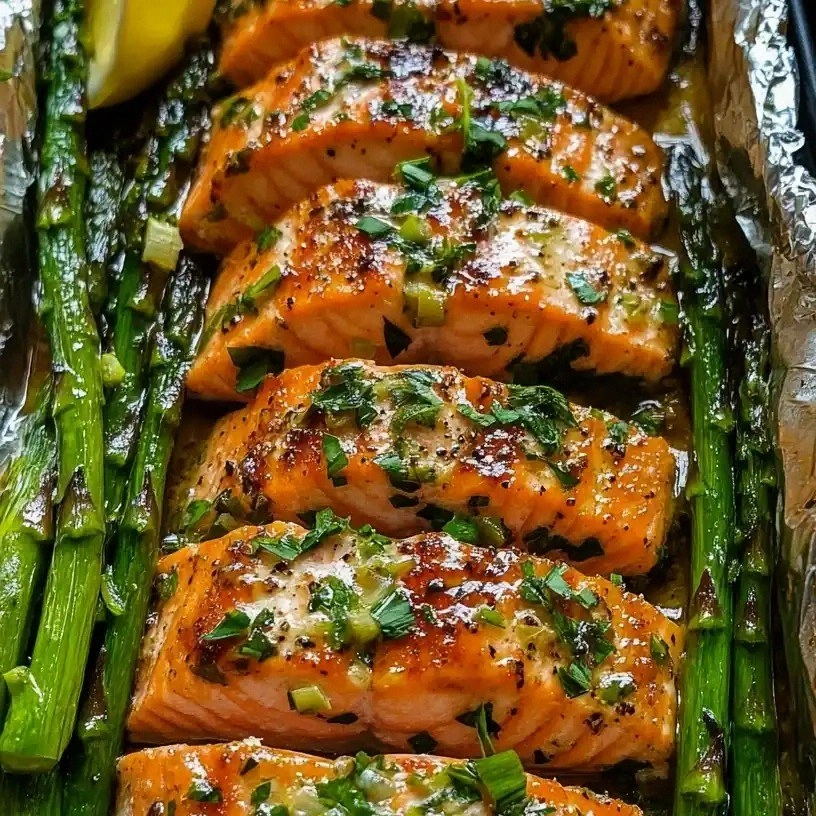
The Method — Step by Step
- Preheat your oven to 400°F (200°C) and line a baking sheet with parchment paper for easy cleanup. The oven temperature is key; too high and you’ll risk drying out the salmon, too low and the asparagus won’t get that pleasant snap.
- Rinse the asparagus under cold water, snap off the woody ends, and pat them dry. Drying is essential; excess moisture will create steam pockets that can make the asparagus soggy.
- Lay out four sheets of heavy‑dutyl foil on the prepared baking sheet. The foil should be large enough to fold over the fish and asparagus, creating a sealed packet.
- Place the salmon fillets in the center of each foil sheet. Make sure they’re evenly spaced to allow heat circulation. This arrangement ensures that each fillet cooks uniformly.
- Season the salmon with salt and pepper, then drizzle the olive oil and lemon juice over the top. The oil coats the fish, while the lemon juice adds brightness. If you’re using fresh herbs, sprinkle them now.
- Arrange the asparagus around the salmon, slightly overlapping the fish. This not only looks appealing but also ensures the asparagus gets a gentle roast.
- Fold the edges of the foil up, sealing the packet tightly. The seal should be secure enough that the steam stays inside, but leave a small vent to allow some steam to escape and prevent bursting.
- Place the sealed packets on the baking sheet and bake for 15–20 minutes, depending on the thickness of your fillets. A 6-ounce fillet usually finishes in 15 minutes; thicker cuts may need up to 20 minutes.
- After baking, remove the packets from the oven and let them rest for 3 minutes before opening. The rest period allows the juices to redistribute, keeping the salmon moist.
- Carefully open the foil, being cautious of hot steam, and transfer the salmon and asparagus to a serving plate. A gentle squeeze of fresh lemon juice over the top adds a bright finish.
- Serve immediately with a side of quinoa or a light salad. The dish is so versatile that it pairs wonderfully with a variety of sides, from rice to roasted potatoes.
That's it — you did it. But hold on, I've got a few more tricks that'll take this to another level...
Insider Tricks for Flawless Results
The Temperature Rule Nobody Follows
While many people set their ovens to 400°F, the real trick is to preheat to 425°F and then reduce to 400°F after the first 5 minutes. This high initial burst creates a quick sear on the salmon, locking in moisture, while the lower temperature ensures the asparagus stays crisp without overcooking.
Why Your Nose Knows Best
Trust the aroma. When the salmon starts to release a buttery scent and the asparagus gives off a faintly sweet smell, it’s the cue that the dish is nearing perfection. Don’t rely solely on the clock; sensory cues are the real judge.
The 5-Minute Rest That Changes Everything
After removing from the oven, let the packet rest for exactly five minutes. This brief pause allows the steam to settle, ensuring that the salmon remains juicy and the asparagus maintains its ideal texture. A shorter rest may leave the fish too wet, while a longer rest can dry it out.
The Quick Flip
If you’re cooking a thick fillet, flip the packet halfway through the baking time. This ensures even cooking on both sides and prevents one side from becoming overdone. Just be careful not to tear the foil.
The Lemon Twist
Add a thin slice of lemon on top of the salmon before sealing the foil. The slice will steam with the fish, infusing it with a subtle citrus flavor that’s more intense than the juice alone.
The Herb Shuffle
If you prefer a smoky flavor, sprinkle a pinch of smoked paprika over the asparagus before sealing. The heat will release the paprika’s aromatic oils, giving the dish a subtle, grill‑like quality.
Creative Twists and Variations
This recipe is a playground. Here are some of my favorite ways to switch things up:
Asian Fusion
Swap the olive oil for sesame oil, add a splash of soy sauce, and sprinkle toasted sesame seeds over the top before sealing. The result is a fragrant, umami‑rich dish that pairs well with steamed jasmine rice.
Mediterranean Breeze
Replace the lemon with a handful of kalamata olives and a drizzle of olive oil. Finish with a sprinkle of feta cheese after baking for a creamy, briny finish.
Herb‑Infused Delight
Use a mix of fresh thyme and rosemary instead of dill or parsley. The earthy herbs elevate the dish into a comforting, savory masterpiece.
Spicy Kick
Add a pinch of red pepper flakes to the seasoning mix, or drizzle a little sriracha over the salmon before sealing. The heat will complement the richness of the fish.
Citrus Explosion
Incorporate a few slices of grapefruit or orange into the foil packet. The citrus segments will release juice during baking, creating a bright, tangy glaze that coats the salmon.
Smoky BBQ
Brush a thin layer of your favorite BBQ sauce on the salmon before sealing. The sauce will caramelize slightly, giving the fish a sweet, smoky finish that pairs wonderfully with grilled corn.
Storing and Bringing It Back to Life
Fridge Storage
Cool the cooked salmon and asparagus to room temperature, then place them in an airtight container. Store in the refrigerator for up to 2 days. The foil-wrapped method keeps the fish moist, so it stays fresh longer.
Freezer Friendly
Wrap each fillet individually in parchment paper, then place them in a freezer bag. Freeze for up to 3 months. Thaw overnight in the refrigerator before reheating.
Best Reheating Method
Reheat in a preheated oven at 350°F for 10 minutes, or until heated through. Add a splash of water or broth before reheating to create steam, which keeps the salmon from drying out. A quick sear in a hot pan can also restore a crisp exterior.