Love this? Pin it for later! 📌
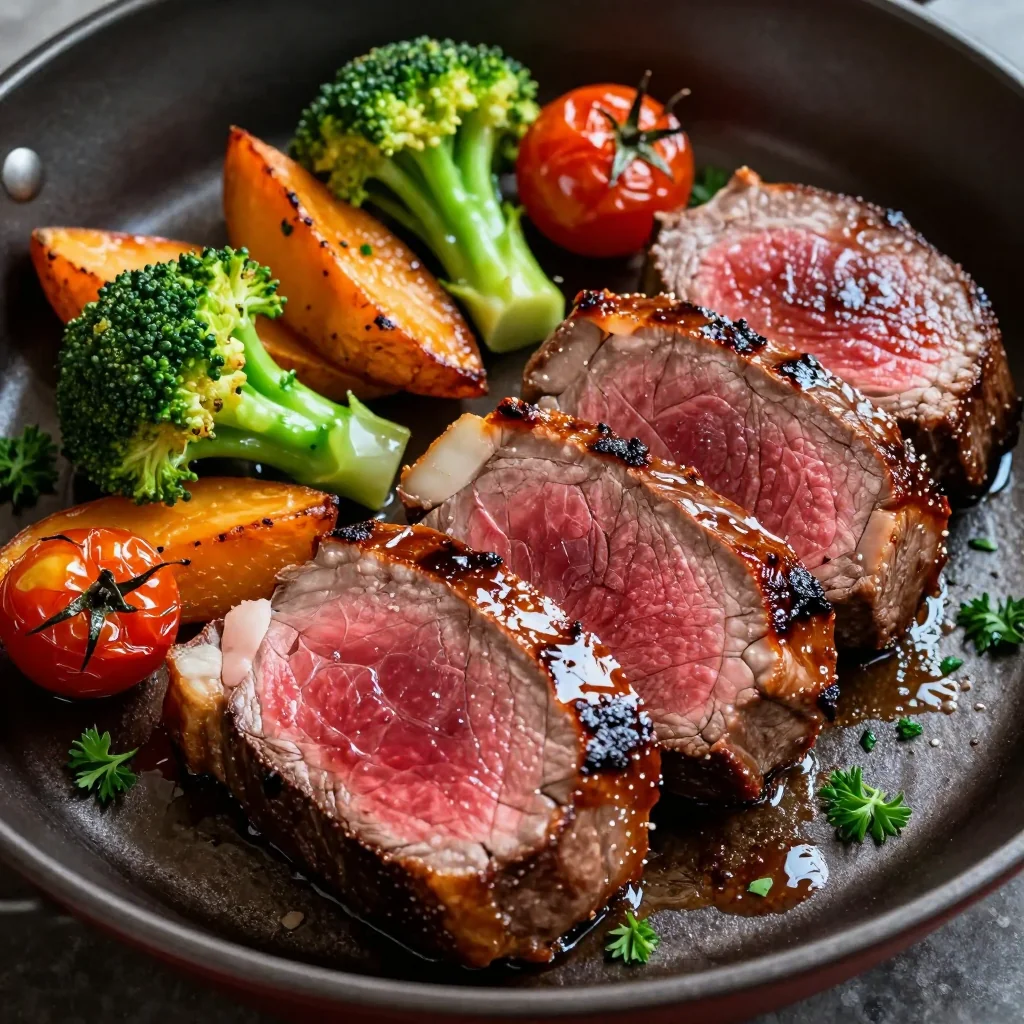
There’s a certain kind of magic that happens when a single sheet pan slides into the oven and, 40 minutes later, re-emerges with a burnished pork tenderloin surrounded by caramelized vegetables glistening in their own juices. I discovered this recipe on a harried Tuesday when the fridge held nothing but a lonely pork tenderloin, half a bag of baby potatoes, and the dregs of a spinach clamshell. One chopping spree and a quick rosemary-garlic rub later, my family sat down to what is now—without exaggeration—our most-requested dinner. We’ve served it to company who asked for the recipe before dessert, packed it into lunchboxes for three days straight, and even taken the whole pan camping, resting it on a picnic table while the sunset turned the same amber as those roasted carrots. If you need a no-fuss, one-pan, crowd-pleasing hero, welcome home.
Ingredients You'll Need
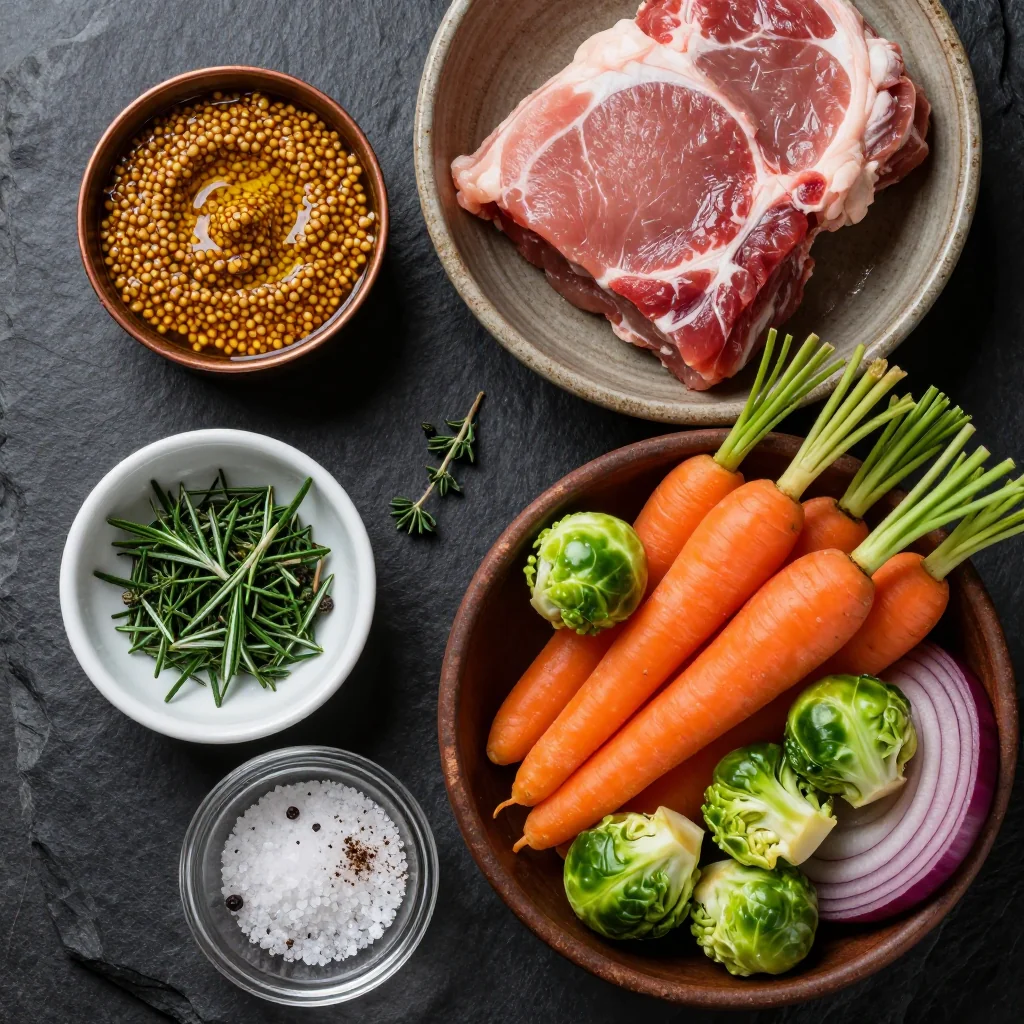
Pork tenderloin is the star here—lean, tender, and quick-cooking. Look for one that is rosy, not gray, and uniform in thickness so both ends cook evenly (about 1 to 1¼ lb each; most supermarkets sell two per pack). If your grocer only has the pre-marinated “Italian” variety, give it a quick rinse to remove excess sodium so you can control seasoning.
Choose baby potatoes (red, gold, or a medley) so they can be halved and roasted in the same time frame as the pork. If you only have large potatoes, cut them into 1-inch wedges; anything smaller will shrivel and larger won’t cook through.
Rainbow carrots bring sweetness and color. Buy bunches with tops still attached—the greens are a freshness indicator. Peel only if the skins are thick; otherwise a good scrub suffices.
Red onion wedges turn jammy and mild in the oven. Substitute shallots for an even sweeter finish, or yellow onion in a pinch.
Extra-virgin olive oil carries flavor and encourages browning. I keep a cheap “cooking” olive oil for roasting and save the grassy finishing oil for salads.
Fresh rosemary and thyme are my go-to hardy herbs; they perfume the oil without burning. If you must use dried, halve the quantity and rub between your palms to release oils.
Garlic, smoked paprika, Dijon mustard, and a whisper of brown sugar create a lacquer that glazes the tenderloin. Smoked paprika adds subtle campfire depth; substitute regular or even chipotle powder for heat.
A splash of apple cider vinegar in the marinade brightens the entire dish; lemon juice works just as well.
Lastly, kosher salt and freshly ground black pepper. I season in layers—first a light sprinkle on the vegetables, then a heavier rub on the meat—so every bite is balanced.
Why This Recipe Works
- One Pan, One Hour: Everything roasts together—minimal cleanup, maximum flavor.
- Reverse Sear Effect: Starting the tenderloin in a 425 °F oven, then bumping to 450 °F for the final 8 minutes yields a blushing center and mahogany crust.
- Vegetable Timing: Hardy roots go in first; tender broccoli florets join halfway so nothing turns to mush.
- Glaze That Sticks: A light coating of mustard and brown sugar caramelizes without burning.
- Meal-Prep Hero: Slices reheat like a dream and the veggies flavor any grain you toss them with.
- Endlessly Adaptable: Swap in seasonal produce—Brussels sprouts in winter, zucchini in summer.
How to Make Sheet Pan Pork Tenderloin with Roasted Vegetables
Whisk the Marinade
In a medium bowl combine 3 Tbsp olive oil, 2 Tbsp Dijon mustard, 2 Tbsp brown sugar, 1 Tbsp apple cider vinegar, 2 tsp smoked paprika, 1 tsp kosher salt, ½ tsp black pepper, and 3 minced garlic cloves. Reserve 2 Tbsp of this mixture for the vegetables; the rest will coat the pork.
Marinate the Tenderloin
Pat pork dry, remove silver skin with a sharp knife, and place in a zip-top bag with the marinade. Seal, squish to coat, and refrigerate at least 30 minutes or up to 24 hours. Even 10 minutes works if you’re rushed—just massage the bag periodically.
Heat the Oven & Prep the Sheet Pan
Place rack in center and preheat to 425 °F. Line a half-sheet pan (13×18-inch) with parchment for zero stick, or lightly oil for crispy bottoms. A dark pan speeds browning; shiny pan gives gentler heat—adjust time down or up by 2 minutes accordingly.
Season the Long-Cook Veggies
In a large bowl toss 1½ lb halved baby potatoes, 4 medium rainbow carrots cut into 2-inch sticks, and 1 large red onion cut into ¾-inch wedges with the reserved 2 Tbsp marinade, 1 Tbsp olive oil, 1 tsp kosher salt, and 2 tsp chopped fresh rosemary. Spread on the sheet pan, creating a clear space in the center for the pork.
Roast the Vegetables First
Slide the pan into the oven and roast 15 minutes. This head-start ensures potatoes are creamy inside and carrots develop those irresistible blistered edges.
Add the Pork & Quick-Cook Veggies
Remove pan, scatter 2 cups broccoli florets and 1 cup halved Brussels sprouts around the edges. Nestle the marinated tenderloin in the center, scraping any extra marinade over the top. Insert an oven-safe probe thermometer if you have one.
Finish at Higher Heat
Return pan to oven, raise temperature to 450 °F, and roast 8–12 minutes more, until the thickest part of pork registers 140 °F for blush-pink (or 150 °F for well-done edges). Remove pork to a carving board, tent loosely with foil, and rest 10 minutes—the temperature will coast to a USDA-safe 145 °F.
Crisp the Vegetables
While the meat rests, switch the oven to broil and return the vegetables for 2–3 minutes for charred tips. (Skip this step if your broiler is unpredictable.)
Slice & Serve
Using a sharp slicing knife, cut pork on a slight bias into ½-inch medallions. Arrange over the roasted vegetables, drizzle with any accumulated resting juices, and shower with fresh thyme leaves. Serve straight from the pan for rustic charm or plate individually for date-night elegance.
Expert Tips
Temperature Trumps Time
Ovens vary; start checking 5 minutes early. A digital probe is worth its weight in gold to avoid over-cooked, cottony pork.
Deglaze for Instant Gravy
Pour ¼ cup apple cider onto the hot sheet, scrape with a wooden spoon, and simmer in a small saucepan for a 2-minute pan sauce.
Overnight = Deeper Flavor
Marinate up to 24 hours. The acid tenderizes; the salt seasons to the core. Beyond 24 hours the texture can turn mushy.
Double the Vegetables
Feeding teenagers? Add another pound of produce on a second sheet pan positioned one rack lower to catch drippings.
Flash Freeze for Later
Arrange raw marinated pork cubes (for kebabs) on a parchment-lined plate; freeze 1 hour, then bag. Thaw overnight and proceed as written.
Colorful = Kid-Friendly
Purple sweet potatoes and golden beets turn dinner into a rainbow; kids forget they’re eating vegetables.
Variations to Try
- Asian-Inspired: Swap marinade for 2 Tbsp soy sauce, 1 Tbsp sesame oil, 1 Tbsp honey, 1 tsp grated ginger. Toss vegetables with bok choy and shiitake; finish with sesame seeds and scallions.
- Maple-Mustard: Replace brown sugar with maple syrup and add ½ tsp dried sage. Perfect for fall.
- Spicy Southwest: Add 1 tsp chipotle powder and ½ tsp cumin to marinade. Use sweet potatoes and poblano strips; serve with lime crema.
- Mediterranean: Season with oregano and lemon zest; add olives and cherry tomatoes the last 5 minutes. Crumble feta on top.
- Low-Carb: Replace potatoes with radishes and cauliflower florets; they roast up surprisingly creamy.
Storage Tips
Refrigerate: Cool completely, then store slices and vegetables in an airtight container up to 4 days. Keep juices; they rehydrate meat during reheating.
Freeze: Slice pork and lay in a single layer on a parchment-lined sheet; freeze 1 hour, then transfer to a freezer bag with vegetables for up to 2 months. Thaw overnight in fridge.
Reheat: Warm covered in a 300 °F oven with a splash of broth or water until center reaches 130 °F (about 12 min). Microwave works in 30-second bursts, but oven keeps texture best.
Make-Ahead: Chop vegetables (except broccoli) up to 3 days ahead; store in zip bags with a paper towel to absorb moisture. Mix marinade up to 5 days ahead; shake before using.
Frequently Asked Questions
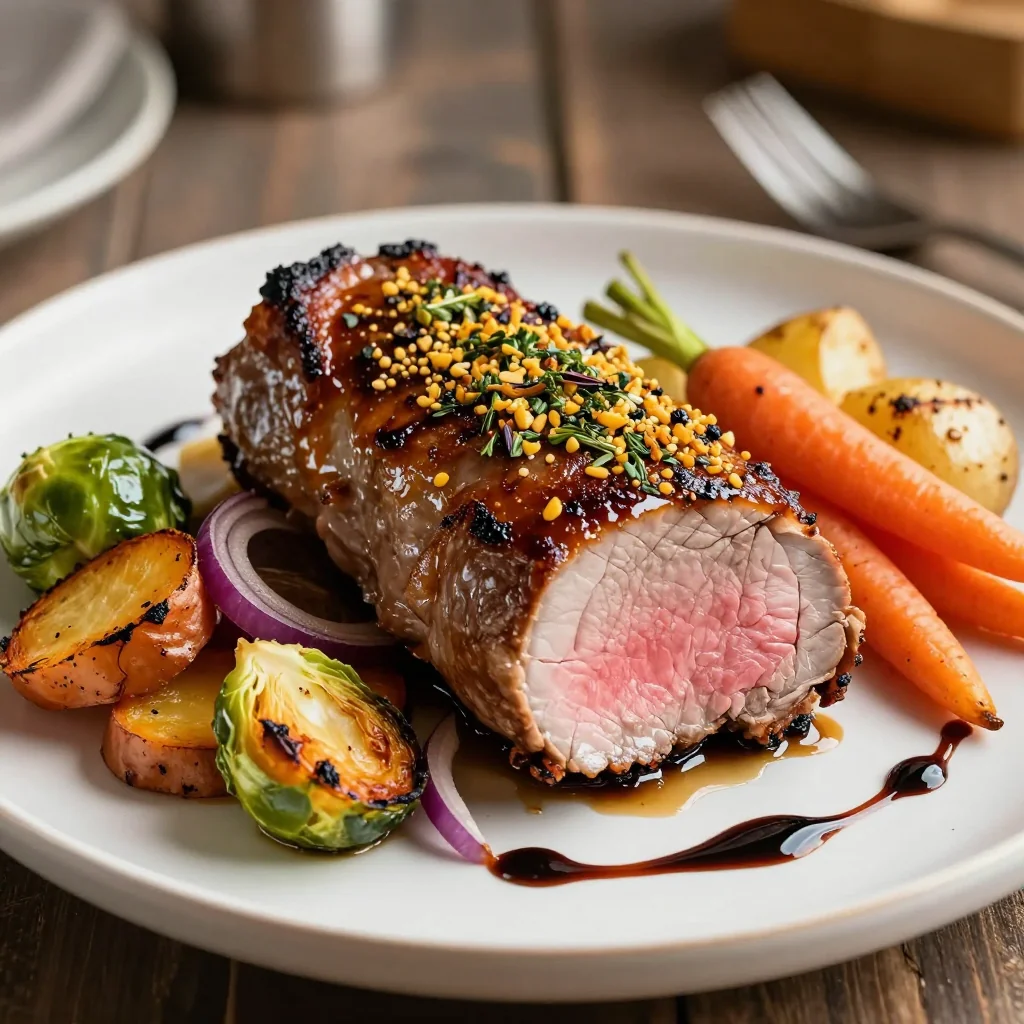
Sheet Pan Pork Tenderloin with Roasted Vegetables
Ingredients
Instructions
- Make Marinade: Whisk 2 Tbsp olive oil, mustard, brown sugar, vinegar, paprika, garlic, 1 tsp salt, and ½ tsp pepper. Reserve 2 Tbsp for vegetables.
- Marinate Pork: Coat tenderloins in remaining marinade; refrigerate 30 min–24 h.
- Roast Veggies: Preheat to 425 °F. Toss potatoes, carrots, onion with reserved marinade, 1 Tbsp oil, rosemary, and 1 tsp salt. Roast 15 min.
- Add Pork: Stir broccoli into pan; place pork in center. Roast 8 min.
- Finish: Raise oven to 450 °F; roast 8–12 min more until pork hits 140 °F. Rest 10 min.
- Broil (optional): Broil vegetables 2–3 min while pork rests. Slice, garnish, serve.
Recipe Notes
For well-done pork, roast to 150 °F; it will coast to 155 °F. Vegetables reheat beautifully—save extras for grain bowls.