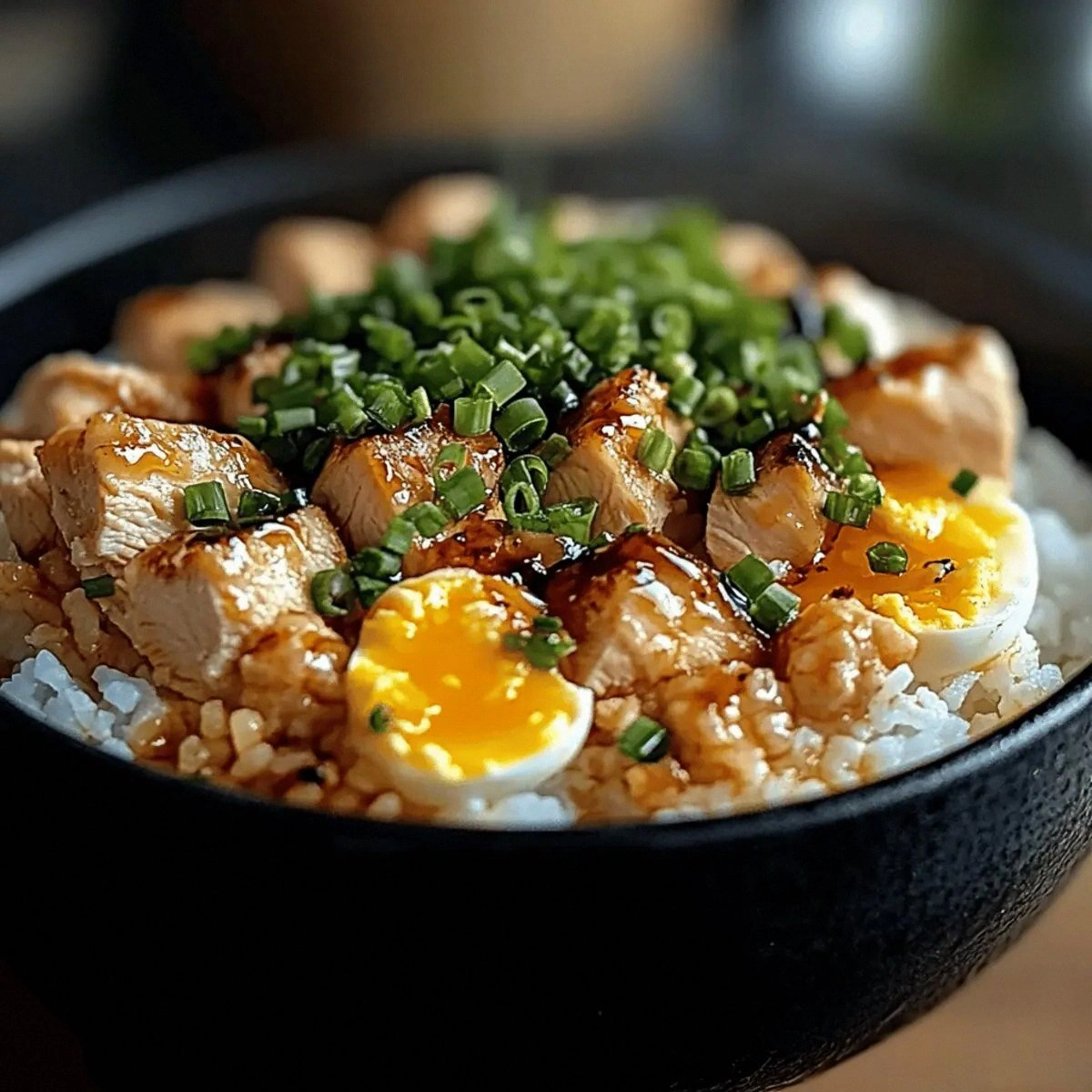
Picture this: you’re halfway through a marathon of Netflix, the clock reads 11 p.m., and your stomach starts growling like a disgruntled bear. You open the fridge, stare at the lonely bag of frozen veggies, and think, “There has to be something better than instant ramen.” That’s the exact moment I decided to rescue myself from culinary mediocrity and dive headfirst into the world of Japanese comfort food. I grabbed a packet of Japanese short‑grain rice, a couple of chicken thighs, and a handful of pantry staples, and set out to create the ultimate oyakodon. The result? A bowl so cozy it could hug you back.
The kitchen was a symphony of sounds: the rhythmic clatter of the rice rinsing, the sizzle of butter hitting the pan, and that unmistakable “pop” when the dashi hit a hot surface. The air filled with a sweet‑savory perfume that reminded me of a bustling izakaya in Osaka, yet somehow felt intimate enough for a solo night‑in. When the sauce finally thickened, it wrapped the chicken and egg in a glossy, amber blanket that glistened like sunrise on a calm sea. The first bite was a revelation—silky egg, tender chicken, and rice that was fluffy yet slightly chewy, all dancing together in perfect harmony.
Most oyakodon recipes I’ve tried either overcook the egg into a rubbery mess or drown the rice in a watery broth. This version stands out because it respects each component, giving the chicken a quick sear for caramelized depth, then simmering it gently in a dashi‑soy‑mirin concoction that never gets soggy. The secret? A dash of shichimi togarashi added at the very end, delivering a subtle heat that tingles the palate without overwhelming the delicate flavors. I’m daring you to taste this and not go back for seconds—because once you’ve experienced this level of comfort, nothing else will compare.
Let me walk you through every single step — by the end, you’ll wonder how you ever made it any other way. Okay, ready for the game‑changer? The technique that transforms ordinary chicken thighs into melt‑in‑your‑mouth clouds is simpler than you think, and the timing tricks will make your kitchen feel like a professional studio. Stay with me here — this is worth it.
What Makes This Version Stand Out
- Flavor Harmony: The balance of dashi, soy, mirin, and sake creates a broth that’s umami‑rich yet light, coating every grain without drowning it.
- Texture Perfection: Quick searing locks in chicken juices, while the final egg steam‑cooks to a custardy softness that clings to each bite.
- Simplicity: Fewer than twelve ingredients, all pantry‑friendly, mean you can pull this together on a weeknight without a grocery run.
- Unique Twist: A pinch of shichimi togarashi adds a whisper of heat, turning a classic comfort dish into a subtle adventure.
- Crowd Reaction: I’ve served this at potlucks and watched strangers line up for seconds—people actually ask for the recipe.
- Ingredient Quality: Using authentic Japanese short‑grain rice makes a world of difference; it absorbs the sauce like a sponge.
- One‑Pan Method: Everything cooks in the same skillet, reducing cleanup and ensuring flavors meld seamlessly.
- Make‑Ahead Potential: Cook the rice ahead of time and reheat; the sauce even tastes better after a short rest.
Inside the Ingredient List
The Flavor Base
Japanese Short‑Grain Rice: This rice is the heart of oyakodon. Its plump grains soak up the broth without turning mushy, giving each spoonful a satisfying bite. If you substitute with long‑grain rice, expect a drier texture and a less cohesive flavor. Look for rice labeled “Koshihikari” or “Sasanishiki” for the most authentic experience. Tip: Store rice in an airtight container to keep it fresh.
Dashi Stock: Dashi is the soul of Japanese cuisine—made from kombu seaweed and bonito flakes, it provides a clean, marine umami that no bouillon cube can mimic. You can buy instant dashi powder for convenience, but the best flavor comes from simmering kombu and bonito yourself. Skipping dashi means losing that delicate oceanic note, and the dish will feel flat.
The Texture Crew
Boneless, Skinless Chicken Thighs: Thighs stay juicy thanks to their higher fat content, which is crucial for a tender bite. If you use chicken breast, you’ll likely end up with dry, stringy meat. Trim any excess fat, but don’t discard it—render it in the pan for extra flavor. When buying, look for meat with a pink hue and firm texture; avoid any that feel slimy.
Large Eggs: Eggs turn the broth into a silky custard. Fresh, free‑range eggs yield a richer yolk and a more luxurious mouthfeel. Over‑cooking will turn them rubbery, so keep a close eye on the heat. If you’re allergic to eggs, try silken tofu as a substitute, though you’ll lose that classic golden hue.
The Unexpected Star
Shichimi Togarashi: This Japanese seven‑spice blend adds a gentle kick and aromatic complexity. It contains chili, sesame, orange peel, and nori, among other ingredients. A little goes a long way; sprinkle it just before serving for a burst of flavor that wakes up the palate. If you can’t find shichimi, a pinch of crushed red pepper and toasted sesame seeds will do.
The Final Flourish
Soy Sauce, Mirin, Sake, Sugar: This quartet forms the sweet‑salty glaze that defines oyakodon. Soy sauce provides depth, mirin adds subtle sweetness and gloss, sake contributes a delicate acidity, and a spoonful of sugar balances everything. Adjust the sugar if you prefer a less sweet profile. Each component is essential; removing any will tip the flavor scale.
Green Onions: Thinly sliced, they add a fresh, mildly sharp contrast to the rich sauce. Add half at the end for garnish and the other half during cooking for layered flavor. If you don’t have green onions, chives or scallions work just as well.
Everything's prepped? Good. Let’s get into the real action…
The Method — Step by Step
Start by rinsing the Japanese short‑grain rice under cold water until the runoff is clear. This removes excess surface starch that would otherwise make the rice gummy. Drain well and let it sit for 10 minutes; this rest allows the grains to absorb a little moisture, ensuring even cooking. While the rice rests, set a medium‑sized saucepan with 2 cups of water to a gentle boil, then add the rice, cover, and reduce to a low simmer for 15 minutes. After cooking, remove from heat and let it steam, covered, for another 10 minutes.
While the rice is cooking, slice the chicken thighs into bite‑size pieces, about one‑inch squares. This size ensures quick, even cooking and maximizes surface area for the sauce to cling to. Season lightly with a pinch of salt and pepper—just enough to enhance, not dominate. Heat a large non‑stick skillet over medium‑high heat, add a drizzle of neutral oil, and wait until it shimmers.
Place the chicken pieces in the hot skillet, spreading them out so they’re not crowded. Let them sear undisturbed for about 2 minutes; you’ll hear a satisfying sizzle that tells you a crust is forming. Flip the pieces and sear the other side for another 2 minutes. The goal is a light caramelization, not full cooking—don’t worry, they’ll finish in the broth.
Now comes the sauce: pour in 2 cups of dashi stock, then stir in 3 tablespoons soy sauce, 1 tablespoon mirin, 1 tablespoon sake, and 1 tablespoon sugar. Bring the mixture to a gentle boil, then lower the heat to a simmer. Watch as the sugar dissolves and the broth turns a glossy amber. This is the moment of truth—if the sauce smells sweet, salty, and slightly nutty, you’re on the right track.
Slice the medium onion thinly—think delicate rings that will soften without turning mushy. Add the onion to the simmering sauce, stirring gently. Let it cook for about 3 minutes, or until the onions become translucent and start to caramelize at the edges. This adds a subtle sweetness that balances the salty broth.
Crack the four large eggs into a bowl, beat them lightly with a fork—just enough to break the yolks, not fully scramble. Pour the beaten eggs over the chicken and onion mixture, spreading evenly. Cover the skillet with a lid and let the eggs steam for 2‑3 minutes. You’ll see the edges set while the center remains luxuriously soft, like a custard that’s just beginning to set.
When the eggs have set to your liking—soft but no longer runny—sprinkle the chopped green onions over the top. Finish with a light dusting of shichimi togarashi for that whisper of heat. Turn off the heat and let the dish rest for a minute; this allows the flavors to meld and the sauce to thicken just a touch more.
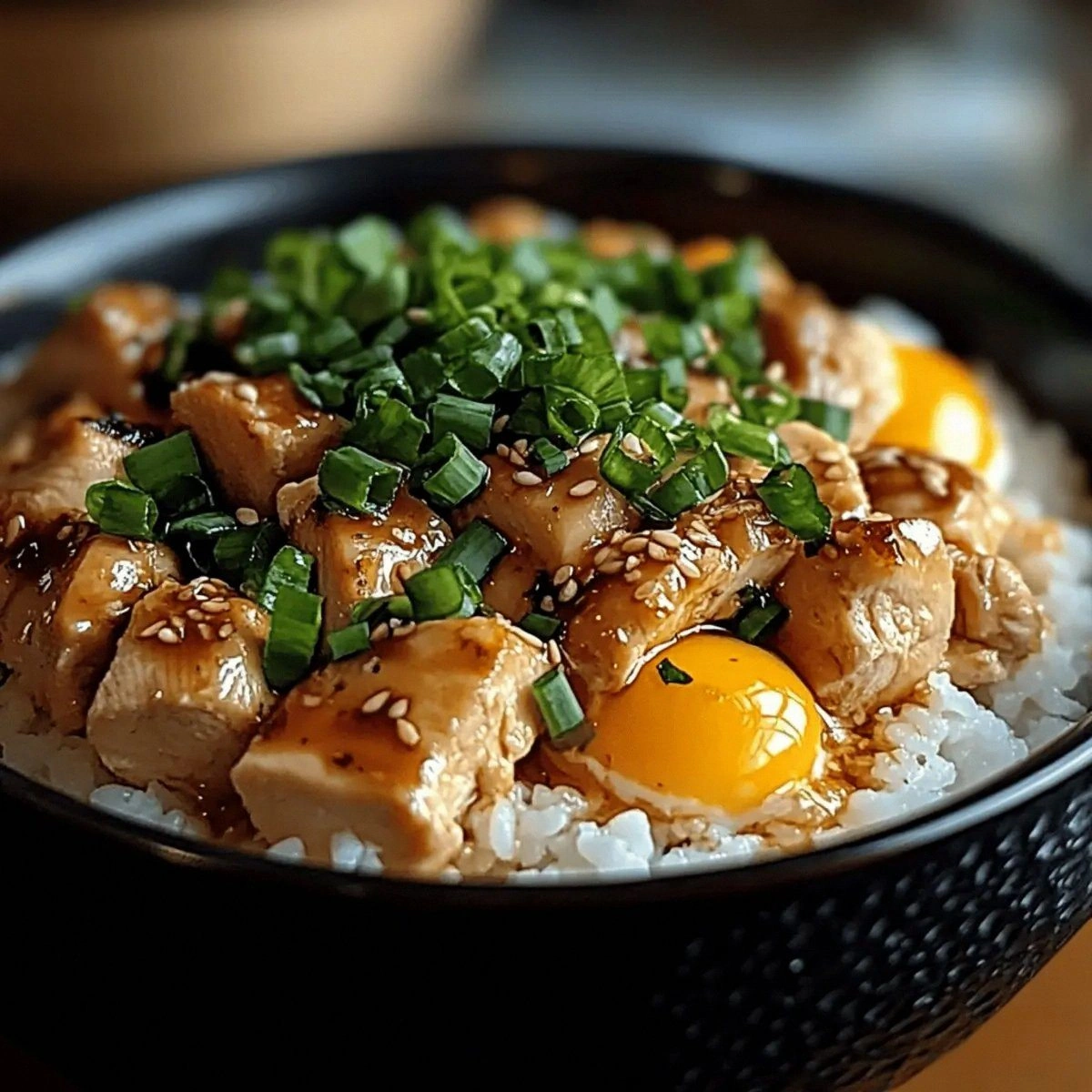
Serve the oyakodon by spooning a generous mound of the cooked rice into deep bowls, then ladle the chicken‑egg mixture right on top. The sauce should coat the rice like a silken veil, and the aroma will fill the room with an inviting, home‑cooked scent. That sizzle when it hits the pan? Absolute perfection. Picture yourself pulling this out of the bowl, the whole kitchen smelling incredible…
That's it — you did it. But hold on, I've got a few more tricks that'll take this to another level…
Insider Tricks for Flawless Results
The Temperature Rule Nobody Follows
Never cook the egg over high heat. A medium‑low flame creates a gentle steam that sets the egg without turning it rubbery. I once tried to speed things up by cranking the burner; the result was a dry, chalky mess that tasted like boiled egg whites. Keep the heat low, and trust the steam.
Why Your Nose Knows Best
The aroma is your most reliable indicator of doneness. When the sauce starts to emit a sweet‑savory fragrance with a hint of caramel, you’re at the perfect simmer point. If you’re unsure, give it a quick sniff; if it smells like plain water, you need a little more reduction.
The 5‑Minute Rest That Changes Everything
After you turn off the heat, let the oyakodon sit, covered, for five minutes. This rest allows the rice to re‑absorb any stray sauce, and the flavors harmonize. I used to serve it immediately and missed this subtle depth—now I never skip it.
Green Onion Timing Trick
Split your green onions: add half during cooking for a mellow flavor, and reserve the other half for a fresh garnish. This dual‑stage approach adds layers of oniony brightness without overwhelming the dish.
Shichimi Distribution Secret
Instead of mixing shichimi into the sauce, sprinkle it over the finished bowl. This preserves the spice’s aromatic oils, giving each bite a burst of heat that’s never muted. A friend tried mixing it in early and complained the spice tasted “flat.”
Creative Twists and Variations
This recipe is a playground. Here are some of my favorite ways to switch things up:
Spicy Miso Oyakodon
Add a tablespoon of red miso to the broth for a deeper umami punch and a richer color. The miso’s salty tang pairs beautifully with the sweet mirin, and you’ll notice a subtle earthiness that makes the dish feel heartier.
Seafood Swap
Replace the chicken with bite‑size shrimp or scallops. Cook the seafood for just 1‑2 minutes before adding the egg, as they’re delicate and cook quickly. The oceanic flavor blends seamlessly with the dashi, turning the bowl into a surf‑and‑turf delight.
Vegetarian Delight
Swap the chicken for firm tofu cubes, lightly pressed to remove excess moisture. Marinate the tofu in a splash of soy and mirin before searing. The result is a protein‑rich, plant‑based version that still delivers that classic custardy egg texture.
Creamy Coconut Oyakodon
Stir in a quarter cup of coconut milk into the broth for a subtle tropical twist. The coconut’s natural sweetness complements the shichimi, creating a sweet‑heat balance that’s unexpected yet comforting.
Kimchi Fusion
Fold in a handful of chopped kimchi during the final minute of simmering. The fermented tang adds a bold contrast, while the spice level rises, making the bowl perfect for those who love a punch of flavor.
Storing and Bringing It Back to Life
Fridge Storage
Transfer any leftovers to an airtight container and refrigerate within two hours. The rice stays fluffy for up to three days, and the sauce actually deepens in flavor. When reheating, add a splash of water or extra dashi to restore moisture.
Freezer Friendly
Separate the rice and the chicken‑egg mixture before freezing. Pack each component in its own freezer‑safe bag, label with the date, and store for up to two months. Thaw overnight in the fridge, then reheat gently on the stovetop.
Best Reheating Method
Use a low‑heat skillet, add a tablespoon of water or dashi, and cover the pan. The steam will revive the rice’s fluffiness while gently warming the sauce. Avoid microwaving at high power; it makes the egg rubbery and the rice dry.